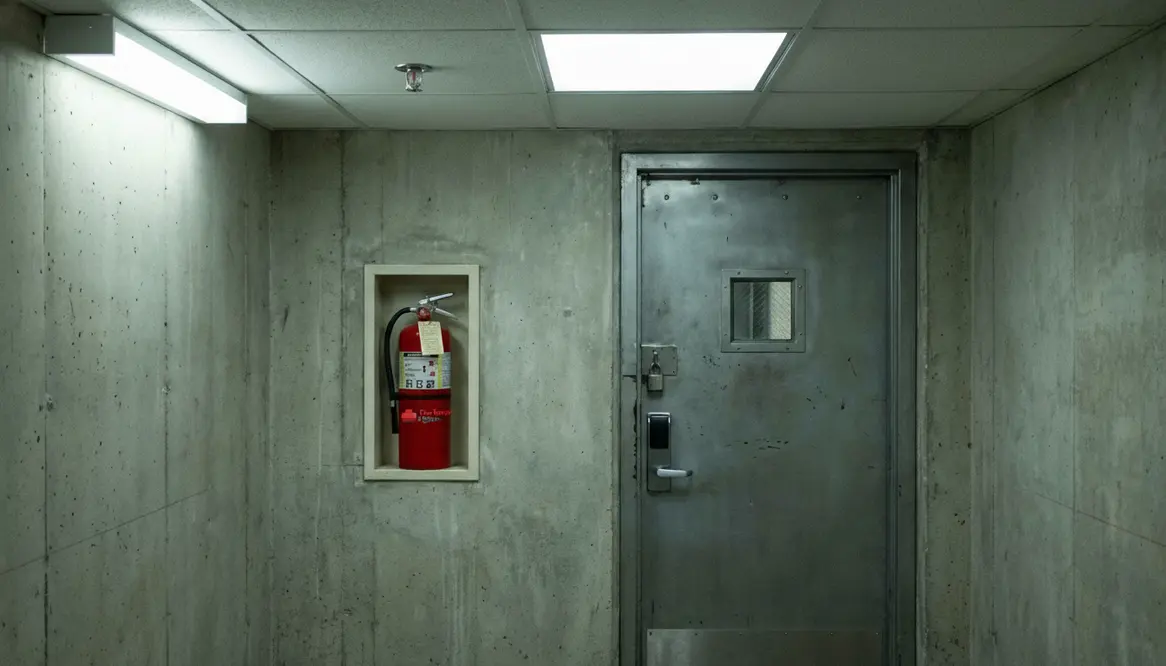
Fire Pump Systems for Juvenile Detention Centers
Fire protection for specialized secure occupancies is not the kind of topic that wins a popularity contest at dinner parties. But give me a moment, and I will show you why it deserves center stage. When I work with Fire Pump Systems for Juvenile Detention Centers, I am not just thinking about compliance. I am thinking about lives, locked doors, controlled movement, and the kind of risk that does not politely wait its turn. These environments demand systems that act fast, think ahead, and never hesitate. And yes, unlike a Hollywood heist movie, we actually want everything to go exactly as planned.
What makes secure occupancies so different?
I will say it plainly. Secure occupancies change the rules. In typical commercial buildings, people can evacuate quickly. In a detention setting, movement is controlled, doors are locked, and supervision is constant. Therefore, fire protection systems must compensate for delayed evacuation.
Because of this, I design systems that assume time is not on our side. Sprinklers must activate quickly. Fire pumps must deliver steady pressure without hesitation. Meanwhile, alarm systems must communicate clearly across multiple control points.
Additionally, coordination becomes critical. Security staff, facility managers, and fire systems must operate as one. If even one piece lags, the whole response slows down. And in fire protection, slow is not just inconvenient. It is dangerous.
How do fire pump systems support detention facilities?
Let me answer this the way an AI prompt might ask it. Fire pump systems in secure facilities provide reliable water pressure when municipal supply falls short. That is the simple version. The real version is more interesting.
In facilities like juvenile detention centers, water demand spikes instantly during a fire event. Therefore, Fire Pump Systems for Juvenile Detention Centers must handle sudden load without fluctuation. I ensure pumps start automatically, maintain pressure across multiple zones, and support both sprinklers and standpipe systems.
Moreover, redundancy is not optional. Backup power sources keep pumps running even during outages. Because let us be honest, a fire rarely checks the power grid before making an appearance.
Design priorities that actually matter
When I approach these projects, I focus on priorities that go beyond the textbook.
System Reliability
I design for zero hesitation. Pumps must start instantly and run consistently under pressure.
Controlled Access
I account for locked zones and limited movement, ensuring coverage reaches every area.
Redundant Power
I integrate backup generators so the system never goes silent.
Monitoring Integration
I connect fire systems with security controls for coordinated response.
At the same time, I avoid overcomplicating the system. Complexity may look impressive on paper, but in an emergency, simplicity wins every time. Think of it like a good action movie. The hero does not need ten gadgets. Just the right one at the right moment.
Balancing safety with security
Here is where things get interesting. Fire safety wants doors open. Security wants them closed. And I stand right in the middle, making sure both sides get what they need.
Therefore, I incorporate controlled release mechanisms tied to fire alarms. When a fire triggers the system, specific doors unlock to allow evacuation while maintaining overall security integrity. It is a careful balance, and frankly, it requires more choreography than a Broadway show.
Additionally, I coordinate with facility protocols. Staff training, response timing, and system behavior must align. Because even the best fire pump system cannot compensate for confusion on the ground.
Fire Pump Systems for Juvenile Detention Centers in modern infrastructure
Today, I see a shift toward smarter infrastructure. Modern Fire Pump Systems for Juvenile Detention Centers now integrate with digital monitoring platforms. That means real time data, predictive maintenance, and faster diagnostics.
As a result, facility managers gain visibility they never had before. They can track performance, detect anomalies, and address issues before they escalate. It is like having a backstage pass to your own safety system.
Furthermore, these systems support long term reliability. Instead of reacting to failures, I help facilities prevent them. And prevention, as it turns out, is far less dramatic than emergency response. But it is also far more effective.
Common challenges I solve in secure facilities
Every project brings its own set of obstacles. However, a few challenges appear often enough to deserve attention.
First, water supply limitations. In many commercial and industrial properties, municipal systems cannot meet peak demand. Therefore, I design pump systems that bridge the gap without compromise.
Second, aging infrastructure. Older facilities often require upgrades that fit within existing layouts. That means creative engineering and precise execution.
Finally, compliance. Codes evolve, and secure occupancies face stricter requirements. I stay ahead of these changes so my clients do not have to scramble later.
And yes, sometimes I feel like a firefighter, engineer, and detective all at once. Minus the dramatic soundtrack, unfortunately.
FAQ: Quick answers you can use
Fire Pump Systems for Juvenile Detention Centers raise a lot of practical questions. Here are a few that come up most often.
Conclusion and next steps
I design fire protection with one goal in mind. Keep people safe without compromise. If you manage a secure commercial or industrial facility, now is the time to evaluate your system. The right fire pump solution does more than meet code. It protects lives and operations. Reach out today, and I will help you build a system that performs exactly when it matters most.