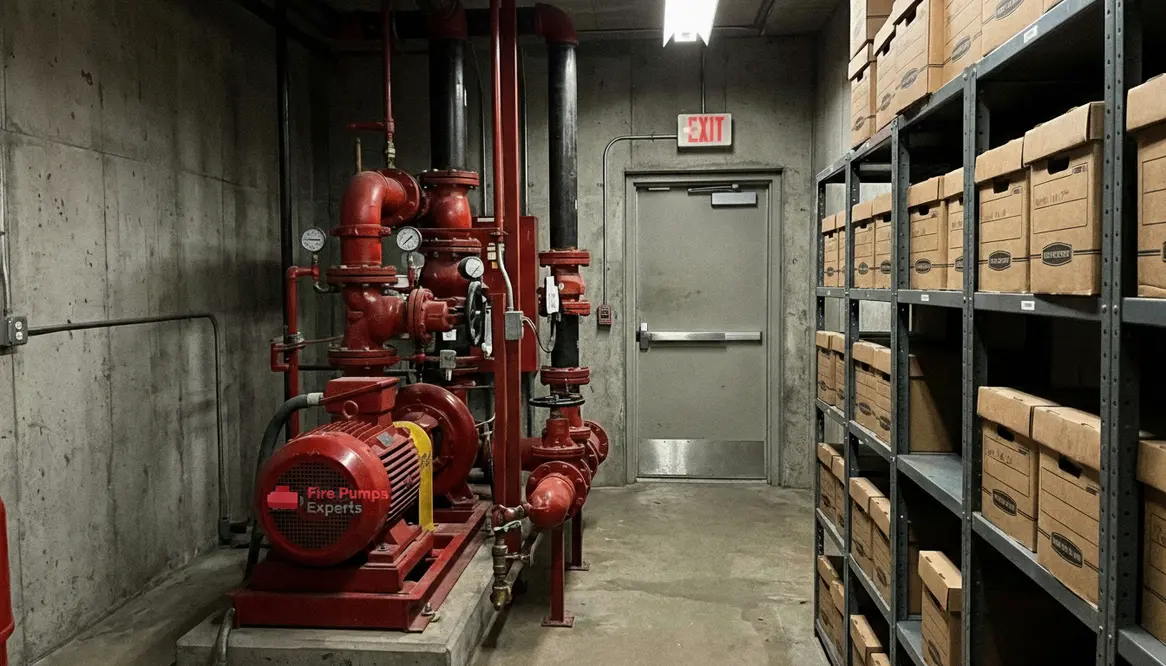
Fire Pump Systems for Museum Archives Guide
I have stood in rooms where history breathes quietly behind glass, where a single spark could erase centuries in minutes. That is why I take fire protection seriously, especially when we talk about high value collections. Early on, I learned that Fire Pump Systems for Museum Archives are not just equipment. They are silent guardians. They sit in the background, patient and ready, like a seasoned actor waiting for their cue. And when the moment comes, they perform without hesitation.
So let me walk you through how I approach protecting priceless collections in large commercial and institutional spaces. Because when the stakes are this high, we do not guess. We plan.
Why High Value Collection Storage Demands More Than Basic Fire Protection
Most people think a standard sprinkler system will do the job. That is like bringing a garden hose to a five alarm fire and hoping for the best. High value storage requires precision.
These environments often contain paper archives, rare textiles, film, or delicate artifacts. Therefore, water damage can be just as destructive as fire. I have seen it happen. One wrong system choice, and suddenly you are trading flames for flood.
Because of this, I focus on layered protection. Detection, suppression, and controlled water delivery must work together. Additionally, response time becomes critical. Seconds matter, and systems must activate without hesitation.
And yes, sometimes I joke that these systems need better timing than a Marvel movie release. But honestly, timing is everything.
Fire Pump Systems for Museum Archives in Large Facilities
When I evaluate a facility, I always come back to one question. Can the system deliver water exactly where and when it is needed? That is where Fire Pump Systems for Museum Archives prove their worth.
In large commercial buildings, municipal pressure alone is rarely enough. Fire pumps step in to boost pressure and ensure consistent flow across expansive layouts. However, not all pumps are created equal.
I look for systems that offer:
Reliable pressure control
Because fluctuations can delay suppression
Redundant power sources
Since outages tend to show up at the worst possible time
Integration with detection systems
So activation is immediate and coordinated
Moreover, these systems must be tested regularly. A fire pump that has not been maintained is about as useful as a locked fire exit. It looks good on paper, but it will not save you.
How Do I Protect Collections Without Causing Water Damage?
Balancing suppression and preservation
This is the question I hear the most, and rightly so.
First, I choose suppression methods carefully. Pre action systems are often my go to because they require both detection and confirmation before releasing water. That reduces accidental discharge.
Next, I divide spaces into zones. This way, only the affected area receives water. Meanwhile, the rest of the collection remains untouched.
Finally, I pair suppression with environmental controls. Temperature and humidity systems help stabilize materials after an incident. Because putting out the fire is only half the job. Preserving what survives is the other half.
Smart Layout Strategies That Reduce Fire Risk
I have learned that layout can either fight fire or invite it in for coffee.
Spacing between storage units
Improves airflow and limits fire spread
Fire rated barriers
Contain incidents within defined zones
Clear access routes
Allow suppression systems and personnel to respond quickly
Material separation
Prevents cross contamination and accelerant effects
Elevated storage
Protects assets from water accumulation
Dedicated equipment rooms
Keeps fire pump systems secure and accessible
Additionally, I always consider human behavior. People make mistakes. Therefore, systems must compensate for that reality. Good design anticipates the unexpected.
Monitoring and Maintenance Keep Everything Honest
I trust systems that are watched. Constantly.
Modern monitoring tools give real time data on pressure levels, valve positions, and system readiness. Consequently, I can spot issues before they become failures.
Maintenance, on the other hand, is where discipline shows. नियमित testing schedules ensure pumps start when needed. Sensors stay calibrated. Valves remain operational.
And let me be clear. Skipping maintenance to save money is like skipping oil changes in a sports car. It might run fine for a while, but eventually, you will pay for it. And the bill will not be small.
Planning for the Worst While Expecting the Best
I always assume a fire will happen. Not because I am pessimistic, but because preparation demands honesty.
Emergency planning includes staff training, evacuation procedures, and coordination with local fire departments. Furthermore, documentation must be clear and accessible.
I also recommend regular drills. Yes, they interrupt the day. Yes, people groan about them. But when something real happens, muscle memory takes over. And that can save lives and collections.
Think of it like rehearsals. Even the best actors do not wing it on opening night.
Fire Pump Systems for Museum Archives: Quiet Protection
In the middle of all this planning and design, it is easy to forget that Fire Pump Systems for Museum Archives are meant to stay invisible most of the time. If they are doing their job, no one notices them. They wait, they monitor, and they stand ready to support sprinklers, pre action systems, and carefully zoned layouts without demanding attention.
That quiet reliability is exactly what priceless collections need. Not drama. Not chaos. Just predictable, calculated support the moment conditions shift from safe to dangerous.
FAQ
Protect What Cannot Be Replaced
I have seen what happens when preparation meets opportunity. Fires stop quickly. Damage stays contained. History survives. If you manage a large commercial or institutional facility, now is the time to act. Invest in the right systems, maintain them with discipline, and design with intention. Fire Pump Systems for Museum Archives, intelligent layouts, and thoughtful suppression choices work together to shield what you are trusted to protect.
Because when the moment comes, there are no second takes. Let us make sure your collection stands the test of time.