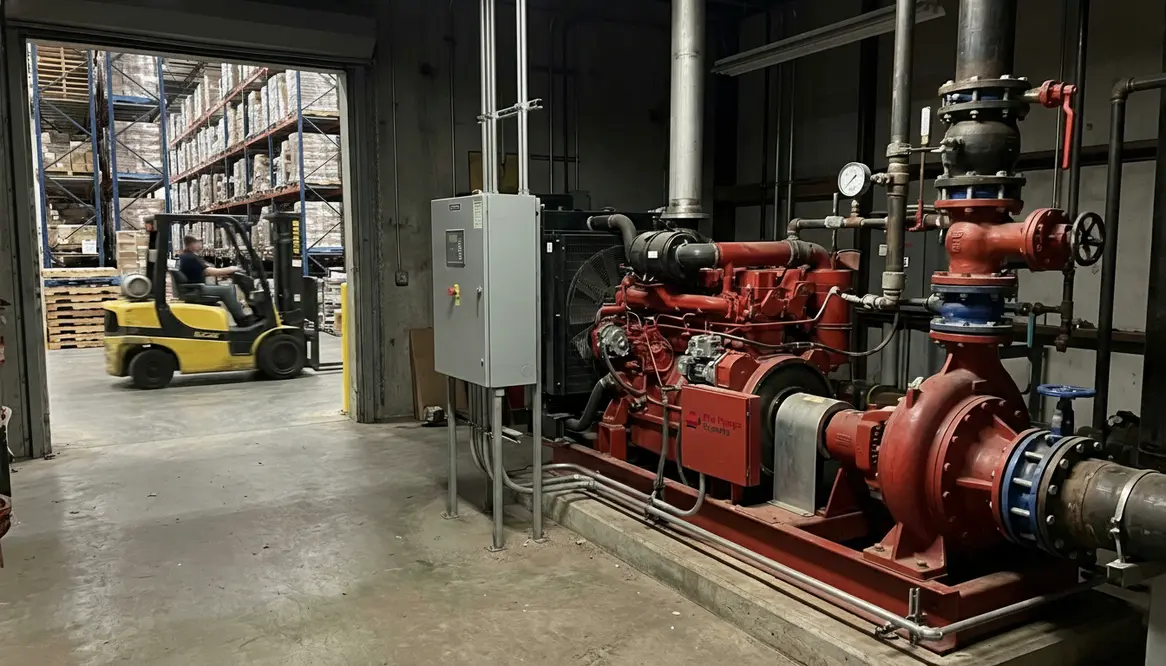
Fire Pump Systems for New Jersey Warehouse Safety
I have spent years walking through vast logistics hubs where forklifts hum like a steady bassline and inventory stretches farther than the eye can see. In places like New Jersey, where speed and density define operations, fire risk is not theoretical. It is a quiet presence. That is why I often connect the conversation to data center fire protection. While the assets may differ, the stakes feel strikingly similar. High value equipment. Continuous operations. Zero tolerance for downtime. And just like that, we begin to understand why fire pump systems are not optional. They are foundational.
What fire pump system do New Jersey warehouse facilities actually need?
I hear this question a lot, usually asked while someone gestures at a ceiling packed with sprinklers like it is a modern art installation. The answer depends on three things. Building size, storage height, and commodity type. However, in New Jersey logistics environments, I often see high pile storage and fast moving goods. Therefore, fire pumps must deliver consistent pressure across large footprints.
Moreover, municipal water supply in many industrial zones cannot always meet peak demand. That is where a properly sized fire pump steps in, ensuring that sprinkler systems perform exactly when they are needed. Think of it as the difference between a garden hose and a fire hydrant. Both involve water. Only one commands respect.
Additionally, compliance with NFPA standards is non negotiable. Facilities must align with strict fire codes, and insurers often raise the bar even higher. So, choosing the right system is not just about safety. It is about staying operational and insurable. If you want a deeper technical breakdown of how NFPA 20 regulates fire pump design and installation, resources like NFPA 20 fire pump design guidance can be helpful when you sit down with your design team.
How I evaluate fire risk inside large scale logistics operations
When I walk a warehouse floor, I do not just see racks and pallets. I see fuel load, airflow, and potential ignition points. For example, lithium ion batteries, automated systems, and densely packed goods all increase fire complexity. Consequently, the fire pump must support rapid suppression before a small incident becomes a headline.
In addition, ceiling height changes everything. The higher the storage, the more water pressure is required to penetrate and suppress a fire effectively. This is where parallels to data center fire protection become useful again. Both environments demand precision, speed, and reliability.
And yes, I will say it. Fire does not care about your shipping deadlines. It has terrible timing and zero respect for quarterly targets.
Key components that make or break a fire pump system
I like to break systems down into parts because each one carries its own responsibility. When they work together, the result is seamless protection. When they do not, well, things get expensive fast.
Core Equipment
- Pump unit sized for peak demand
- Reliable driver, either electric or diesel
- Controller that ensures automatic activation
- Dedicated water supply with adequate volume
Supporting Elements
- Pressure maintenance jockey pump
- Test headers for routine verification
- Backflow prevention systems
- Monitoring tied to building management systems
Furthermore, maintenance plays a leading role. Even the best equipment fails without regular testing. Weekly churn tests and annual flow tests are not suggestions. They are essential rituals. Like changing the oil in a car, except the stakes are significantly higher. This is as true for a high bay warehouse as it is for environments that lean heavily on data center fire protection for uptime and asset security.
Why New Jersey facilities face unique fire protection challenges
New Jersey is a logistics powerhouse. With that comes density, aging infrastructure in some areas, and a constant push for faster throughput. Therefore, fire pump systems must compensate for inconsistent municipal supply and support large, high demand sprinkler systems.
Additionally, weather can complicate matters. Cold winters introduce freeze risks, while humid summers can affect equipment longevity. So, system design must account for environmental conditions as well as operational ones.
Another factor is proximity. Facilities often sit close to one another, which increases exposure risk. A fire in one building can quickly threaten another. Consequently, robust fire suppression is not just about internal protection. It is about protecting the entire industrial ecosystem.
Design strategies I rely on for long term reliability
I approach fire pump design with a simple philosophy. Build for the worst day, not the average one. That means planning for maximum flow demand, future expansion, and system redundancy where possible.
Moreover, I prioritize clarity in system layout. When an emergency happens, confusion is the last thing anyone needs. Clear labeling, accessible controls, and integrated monitoring systems make a real difference.
Then there is testing. I advocate for scheduled testing that goes beyond minimum requirements. Because when a system activates, it should feel less like a surprise and more like a well rehearsed performance. In high uptime operations, from regional fulfillment centers to facilities where data center fire protection is the benchmark, that level of readiness is the real competitive advantage.
And if I can add one pop culture note, think of your fire pump system like Batman. Quiet, always prepared, and absolutely critical when things go sideways.
FAQ about fire pump systems for logistics facilities
What size fire pump does a warehouse need?
It depends on building size, storage height, and hazard classification. Most large facilities require high capacity pumps designed for peak sprinkler demand.
Are fire pumps required in New Jersey warehouses?
Yes, if municipal water supply cannot meet fire flow requirements or if building design demands higher pressure.
How often should fire pumps be tested?
Weekly visual checks and churn tests, plus annual full flow testing to verify performance.
Can one pump serve multiple buildings?
Sometimes, but it depends on layout and code requirements. Dedicated systems are often preferred for reliability.
What is the lifespan of a fire pump system?
With proper maintenance, systems can last decades, though components may require periodic replacement.
Final thoughts and next steps
When I look at New Jersey logistics and warehouse facilities, I see opportunity paired with responsibility. Fire pump systems are not just mechanical assets. They are safeguards for people, property, and continuity. If you are planning, upgrading, or reassessing your system, now is the time to act. Work with specialists who understand large scale industrial demands and design with precision. Because when the moment comes, your system should not hesitate. And neither should you.