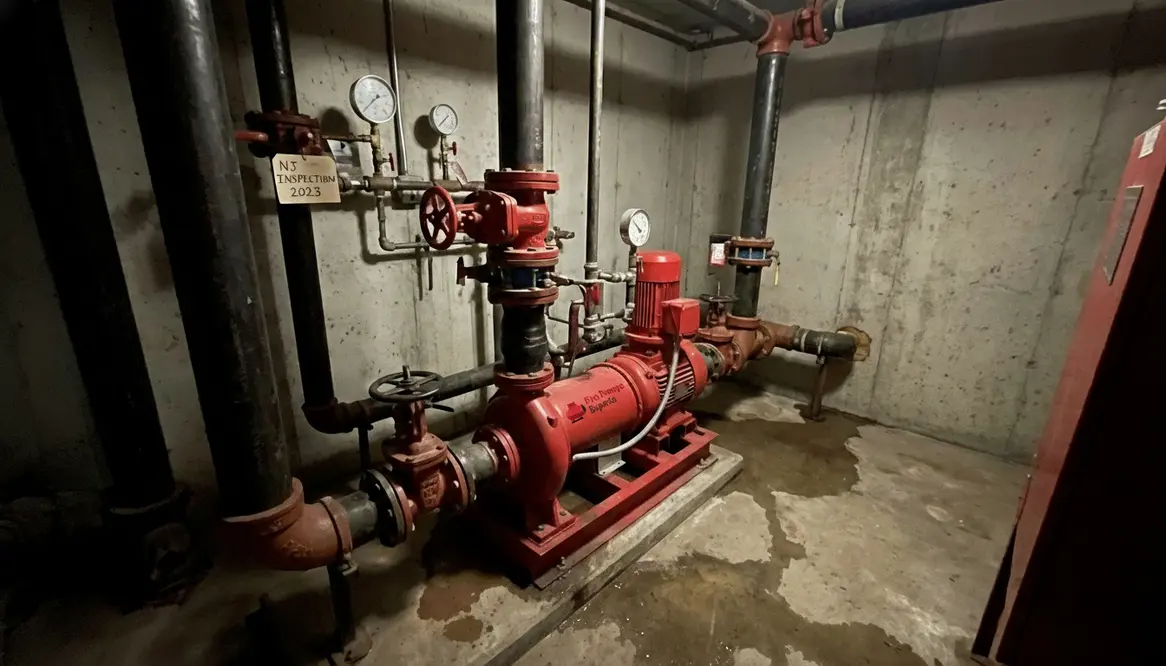
Apartment Fire Pump Systems NJ Water Supply Pressure
I have spent years working around apartment fire pump systems in New Jersey, and if there is one thing I can tell you, it is this: water does not always behave the way we expect. It is not just about having water. It is about how that water arrives, how fast it moves, and how steady it stays. When supply and pressure fall short, even the best fire pump setup can feel like a sports car stuck in traffic. And trust me, in fire protection, traffic jams are not amusing.
How Water Supply Shapes Fire Pump Performance in New Jersey
In New Jersey, water supply can vary more than the plot twists in a late night thriller. One town may offer strong municipal flow, while another struggles with aging infrastructure. As a result, fire pump systems in commercial and industrial buildings must adapt to these inconsistencies.
When supply drops, the pump works harder to compensate. However, there is a limit to how much it can do. If the incoming flow is weak, the system cannot magically create water out of thin air. Even Batman needed gadgets, and fire pumps need supply.
Moreover, seasonal demand plays a role. During summer, water usage spikes. Consequently, pressure dips can occur right when systems need reliability the most. I have seen facilities caught off guard simply because they assumed the supply would always hold steady.
Why This Matters For Apartment Buildings
In apartment fire pump systems, those swings in pressure and flow are not just technical details. They decide whether top-floor residents see a strong, reliable stream at the nozzle or a disappointing trickle when every second counts.
That is why understanding your local water supply, documenting its weak spots, and planning around them is not optional. It is part of responsible ownership and risk management.
Why Pressure Fluctuations Can Disrupt Apartment Fire Pump Systems
Pressure is where things get interesting. While supply gives you volume, pressure determines how effectively that water moves through the system. In apartment fire pump systems, unstable pressure can cause uneven performance across floors.
For instance, lower levels might receive strong flow, while upper floors experience weak discharge. That imbalance creates risk. Furthermore, sudden pressure drops can trigger alarms or force pumps to cycle unnecessarily, which adds wear over time.
On the flip side, excessive pressure can strain components. It is like overinflating a balloon. Sure, it holds for a while, but eventually, something gives. Therefore, maintaining balanced pressure is not just ideal. It is essential.
What Causes Water Supply and Pressure Issues in NJ Buildings?
I get this question a lot, and the answer is not one size fits all. Several factors contribute, and they often overlap in ways that complicate diagnosis.
Common Supply Challenges
- Aging municipal water lines
- High demand during peak hours
- Undersized service connections
- Limited water storage capacity
Typical Pressure Problems
- Improper pump sizing
- Faulty pressure regulating valves
- Elevation differences in tall structures
- Poor system design or layout
Because these factors often interact, solving one issue may not fix the entire system. That is why I always approach each building like a puzzle rather than a checklist.
How I Evaluate Fire Pump Systems in Commercial Properties
When I step into a facility, I do not just glance at gauges and call it a day. Instead, I follow a deliberate process. First, I review water supply data from the municipality. Then, I test actual flow and pressure under realistic conditions.
Next, I examine how the pump responds during demand spikes. Does it maintain steady output, or does it struggle like a WiFi signal in a basement? After that, I inspect valves, controllers, and backup systems. Each component tells part of the story.
Additionally, I pay close attention to how the system behaves over time. Short bursts of performance can be misleading. Consistency is what truly matters. A fire event will not wait for your system to get comfortable.
If you want to see what a thorough, code-focused service approach looks like, you can review how specialists structure their fire pump inspection and maintenance services at Kord Fire’s fire pump systems page.
Design Strategies That Prevent Pressure Problems
Strong design can prevent most of these headaches before they begin. Therefore, I always recommend planning with both current demand and future growth in mind.
Right-Sized Pumps And Storage
For example, installing properly sized pumps ensures they operate within optimal ranges. Oversized units may seem impressive, but they often create pressure instability. On the other hand, undersized pumps simply cannot keep up.
Storage tanks also play a critical role. They act as a buffer when municipal supply dips, especially in taller apartment buildings or large campuses that depend on stable performance from apartment fire pump systems.
Controls, Valves, And Testing
Pressure regulating devices help maintain balance across different building levels. Without them, even a well-sized pump can create hot spots and dead zones in your fire protection coverage.
Finally, regular testing ties everything together. Systems that are not tested under real conditions tend to surprise you at the worst possible moment. And surprises are great for birthday parties, not fire protection.
NJ-Specific Quirks For Apartment Fire Pump Systems
New Jersey adds its own twist to the story. Local code interpretations, older mixed-use buildings, and neighborhoods where infrastructure has not kept pace with development all affect how apartment fire pump systems behave day to day.
You might have rock-solid city pressure at 3 a.m. but see major drops when everyone is showering before work. You might inherit a building where the original fire protection design assumed far more generous supply than the town can actually deliver today. Or you might be trying to retrofit modern fire protection into a structure that was never meant to handle that kind of demand.
All of that shows up in your test results, your pump logs, and the way the system behaves when it is stressed. Ignoring these quirks is how “good on paper” turns into “underperforming when it matters.”
FAQ: Water Supply and Fire Pump Concerns in New Jersey
Below are some of the questions I hear most often when people start taking a closer look at their apartment fire pump systems and overall building water performance.
Keeping Your System Ready When It Matters Most
At the end of the day, water supply and pressure are not background details. They are the backbone of every fire pump system. When they fall short, the entire system feels it. However, with the right design, testing, and oversight, these challenges can be managed before they become risks.
If you manage a commercial, industrial, or multifamily property in New Jersey, now is the time to take a closer look. Review how your apartment fire pump systems are performing, confirm that the supply and pressure numbers are based on current conditions, and make sure maintenance logs tell a complete story of how the equipment behaves over time.
Let us evaluate your system, strengthen its performance, and make sure it is ready when it counts. Because when it comes to fire protection, second chances are not part of the plan.