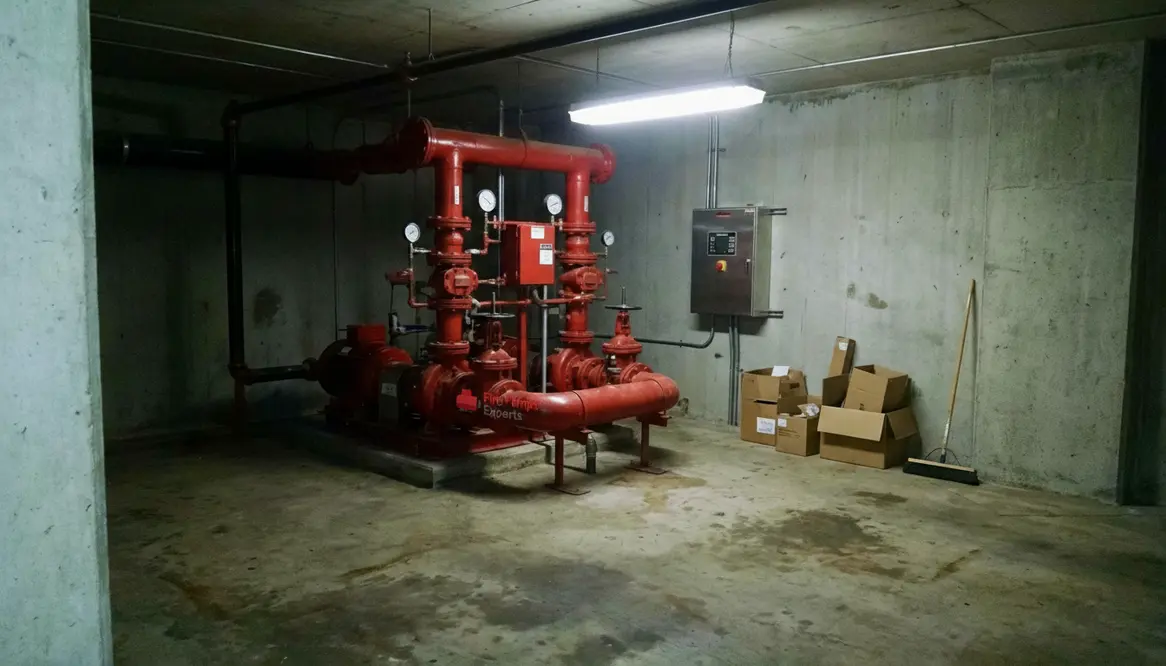
Parking Structure Fire Pump Inspection Issues NJ
I have walked through enough commercial buildings in New Jersey to know one thing for certain. When parking structure fire pumps are working, nobody notices. When they are not, everyone suddenly becomes very interested in water pressure. And not in a fun, spa day kind of way. In large facilities and multi level garages, these systems sit quietly in the background, ready to perform on command. However, like any piece of critical infrastructure, they need attention, testing, and a sharp eye during inspections.
So let me take you through what I see most often, what it means for your building, and why ignoring these issues is about as wise as skipping oil changes on a cross country road trip.
What are the most common fire pump inspection issues in New Jersey commercial buildings?
I get this question a lot, and the answer is never just one thing. Instead, it is a pattern. Over time, small oversights stack up, and before you know it, your system is running on hope and paperwork.
Here is what shows up again and again during inspections:
- Controller failures that prevent automatic startup
- Low suction pressure caused by supply issues or hidden leaks
- Diesel engine problems such as dead batteries or stale fuel
- Improper churn test results that signal deeper mechanical wear
- Corroded valves and fittings that restrict flow
Moreover, I often see systems that technically run but fail performance benchmarks. That is like a car that starts but cannot get out of its own way. Not ideal when timing matters.
Why parking structure fire pumps fail inspections more often than expected
Now, let us talk specifically about parking structure fire pumps, because they come with their own personality. And by personality, I mean a tendency to be forgotten until inspection day arrives like an uninvited guest.
First, these systems operate in environments that are far from gentle. Moisture, road salt, exhaust fumes, and temperature swings all take a toll. As a result, corrosion shows up faster, and components age unevenly.
Second, access is often limited. Equipment rooms get tucked into corners, behind storage, or worse, blocked by things that absolutely should not be there. I once saw a pump controller sharing space with holiday decorations. Festive, but not code compliant.
Finally, testing schedules are sometimes inconsistent. While building managers have good intentions, priorities shift. Unfortunately, parking structure fire pumps do not respond well to being placed on the back burner.
Environmental and access challenges in garages
Multi level parking decks funnel in road grime, exhaust, and dripping vehicles all day. That combination is not friendly to steel, motors, or electrical gear. The same chemicals that keep your garage free of ice can quietly chew away at pump bases, fittings, and supports.
Add in tight layouts and low ceilings and you often have fire pump rooms that feel like they were designed on a napkin. If a technician cannot comfortably move around the controller, valves, and pump, you can bet maintenance and inspections will be rushed or skipped.
This is one of the reasons facility teams increasingly lean on specialists for regular inspections and documentation. In fact, working with a dedicated fire pump service provider like Kord Fire’s fire pump team is often the difference between long term reliability and surprise shutdowns.
How do I know if my fire pump system is at risk?
I always tell clients that fire pumps give warning signs. The trick is knowing what to listen for before a formal inspection points it out.
Watch for these indicators:
- Unusual vibration or noise during weekly runs
- Pressure readings that drift from normal ranges
- Delayed startup times
- Frequent alarm signals or controller alerts
In addition, documentation gaps can be just as risky as mechanical issues. If your test logs look like they were filled out during a coffee break five minutes before inspection, that is going to raise eyebrows. And not the friendly kind.
Inside the inspection process for large commercial facilities
When I conduct or review inspections in major buildings, I approach it like a full systems check, not just a quick glance. Because in high occupancy structures, there is no margin for guesswork.
Mechanical Review
- Pump performance under load
- Seal and bearing condition
- Alignment and coupling integrity
Electrical and Control
- Controller response and settings
- Power supply reliability
- Alarm and signal functionality
At the same time, I evaluate water supply consistency and verify that all valves are in proper positions. Because even the best pump cannot compensate for a closed valve. That is not a design flaw. That is human nature.
Preventing costly failures before they start
Prevention is where smart property managers separate themselves from the rest. And no, it does not require a crystal ball. Just consistency and attention.
First, stick to a strict testing schedule. Weekly churn tests and annual flow tests are not suggestions. They are your early warning system. Additionally, invest in professional inspections that go beyond surface level checks.
Next, keep the environment clean and accessible. Fire pump rooms are not storage units. If your technician has to move boxes to reach critical components, you already have a problem.
Finally, address small issues immediately. A minor pressure fluctuation today can become a system failure tomorrow. Think of it like ignoring a check engine light. It never fixes itself out of respect for your busy schedule.
The same rule applies to parking structure fire pumps. Their environment is tougher, their exposure is higher, and their margin for neglect is lower. Treat them like mission critical equipment, because that is exactly what they are.
FAQ: Fire Pump Inspections in New Jersey
Below are some of the questions New Jersey property teams ask most often when it comes to fire pump inspections and keeping parking structure fire pumps in reliable condition.
Keep your system ready before it is needed
If there is one thing I have learned, it is this. Fire pumps do not care about deadlines, budgets, or good intentions. They either work or they do not. So if you manage a commercial or industrial property in New Jersey, now is the time to take inspections seriously. Schedule a professional evaluation, correct issues early, and keep your system ready. Because when the moment comes, there are no second takes. Only performance.
For multi level garages in particular, treating parking structure fire pumps as critical assets rather than background equipment changes everything. Clear documentation, routine inspections, a clean and accessible pump room, and quick follow up on small warning signs add up to a system you can rely on when it matters most.