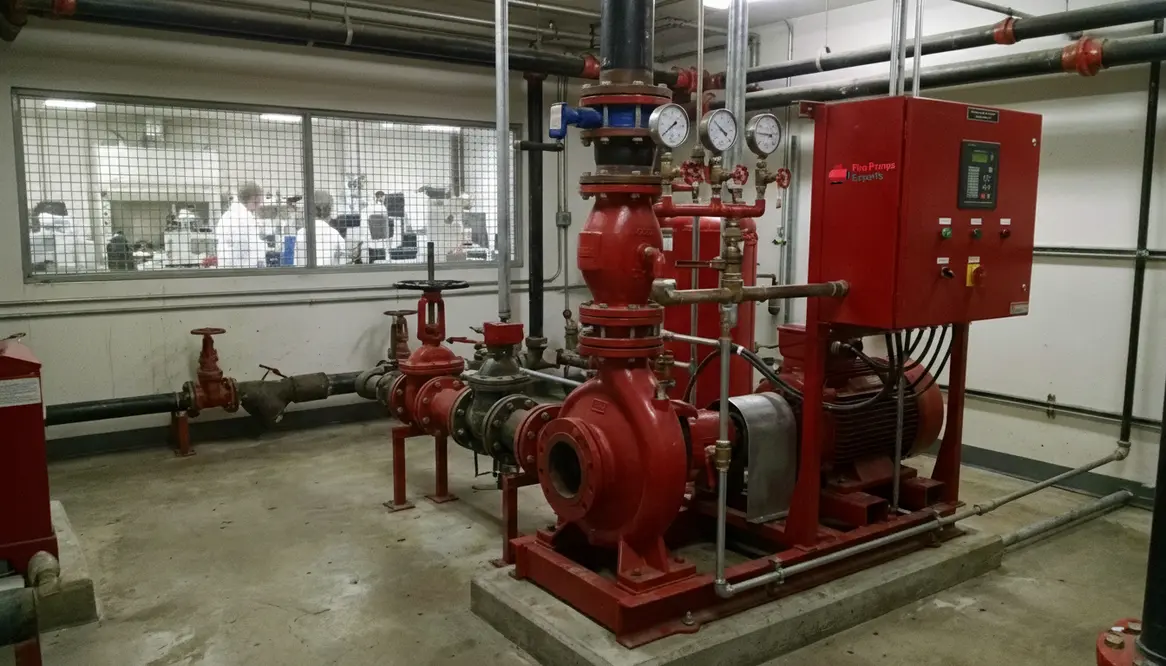
Fire Pump Systems for Test and R and D Buildings
I have spent years around high stakes facilities where one small spark can turn into a headline nobody wants. When we talk about Fire safety in test and R&D buildings, we are not just talking about alarms and extinguishers. We are talking about precision systems that stand ready like a quiet bodyguard in the background. In industrial laboratory environments, fire pump systems carry that responsibility. And yes, they do it without asking for applause, a bit like the bassist in a great band. You notice them most when they stop playing.
Why fire pump systems matter in industrial labs
I like to think of a fire pump as the heart of a facility’s fire protection system. It pushes water with force when the situation demands it. Without it, even the best sprinkler layout can feel like trying to water a forest fire with a garden hose.
Industrial laboratories deal with volatile chemicals, pressurized systems, and sensitive equipment. Therefore, the margin for error is thin. A properly designed pump ensures steady pressure, even when multiple suppression systems activate at once. Moreover, it helps maintain compliance with strict codes that govern large commercial and industrial properties.
And let me be honest, inspectors do not have a great sense of humor when a system fails a test.
How do fire pump systems actually work in labs?
I get this question often, and thankfully the answer is not wrapped in mystery. At its core, a fire pump boosts water pressure from a reliable source such as a tank or municipal supply. Once triggered, it delivers water at the required flow and pressure to sprinkler systems or standpipes.
However, in lab environments, things get more layered. You often see electric pumps paired with diesel backups. This ensures that if power fails, the system keeps running. Additionally, controllers monitor pressure drops and activate pumps automatically, faster than most of us can react.
Think of it like having both Batman and backup Batman. You may not need both, but you will sleep better knowing they are there.
Design priorities for Fire safety in test and R&D buildings
Designing for laboratory environments is not a copy and paste job. Each facility has unique risks based on its research and processes. So I focus on tailoring the fire pump system to match those risks.
- Reliable water supply that meets peak demand scenarios
- Redundant power options to prevent downtime
- Pressure consistency across multiple zones
- Integration with suppression systems like foam or clean agents
Furthermore, I always consider future expansion. Research facilities grow, and their fire protection should grow with them. Otherwise, you end up retrofitting systems later, which is about as fun as rewiring a spaceship mid flight.
Key components you should never overlook
Column A: Core Hardware
- Fire pump unit
- Controller panel
- Pressure relief valves
- Water storage tanks
Column B: Supporting Systems
- Backup power supply
- Monitoring and alarms
- Flow meters
- Regular testing connections
Each piece plays a role, and if one fails, the system weakens. Therefore, I treat every component like a member of an orchestra. If the violin is out of tune, the whole performance suffers.
Maintenance is where systems prove their worth
Now here is where reality sets in. Installing a fire pump system is only half the job. Keeping it ready is the real challenge.
I always stress routine testing. Weekly churn tests, annual flow tests, and consistent inspections keep the system reliable. Moreover, digital monitoring tools now allow teams to track performance in real time. That means fewer surprises and faster fixes.
Skipping maintenance might save time today, but it is a risky bet. Fire systems are like parachutes. You do not want to discover a problem on the way down.
Compliance and risk management for large facilities
Industrial and commercial properties operate under strict codes. NFPA standards, local regulations, and insurance requirements all shape how fire pump systems are designed and maintained.
I approach compliance not as a checklist, but as a strategy. Meeting standards protects assets, people, and operations. In addition, it reduces downtime and liability. And let us face it, no one enjoys explaining preventable damage to stakeholders.
Strong fire protection planning also supports business continuity. When systems work as intended, facilities recover faster and keep operations moving. This is especially true when focusing on Fire safety in test and R&D buildings, where the value of the work happening inside can far exceed the cost of the structure itself.
Practical considerations for Fire safety in test and R&D buildings
Real world laboratory campuses rarely look like the neat diagrams in design manuals. Buildings get added in phases, utilities are routed around whatever already exists, and research priorities change faster than some capital projects can keep up.
When I assess Fire safety in test and R&D buildings, I pay particular attention to how the fire pump system will behave when multiple hazards activate together. Think mixed occupancies: a wet lab wing next to a battery testing room, next to a data center, all expecting the same pump to perform flawlessly on a bad day.
That is where hydraulic calculations, realistic demand scenarios, and a healthy respect for “what could go wrong” come into play. It is not about overbuilding; it is about building smart, with clear priorities and a margin that reflects the actual risks on site.
Conclusion: Building confidence through smarter fire protection
If you manage or design industrial laboratory spaces, investing in the right fire pump system is not optional. It is essential. I encourage you to evaluate your current setup, test its limits, and strengthen where needed. The right system does more than meet code. It protects your people, your research, and your future. When you are ready to take that step, work with experts who understand complex facilities and can deliver solutions built to last.
Whether you are planning new construction or upgrading legacy infrastructure, keep Fire safety in test and R&D buildings at the center of every decision. The payoff shows up on the worst day you hope never arrives.