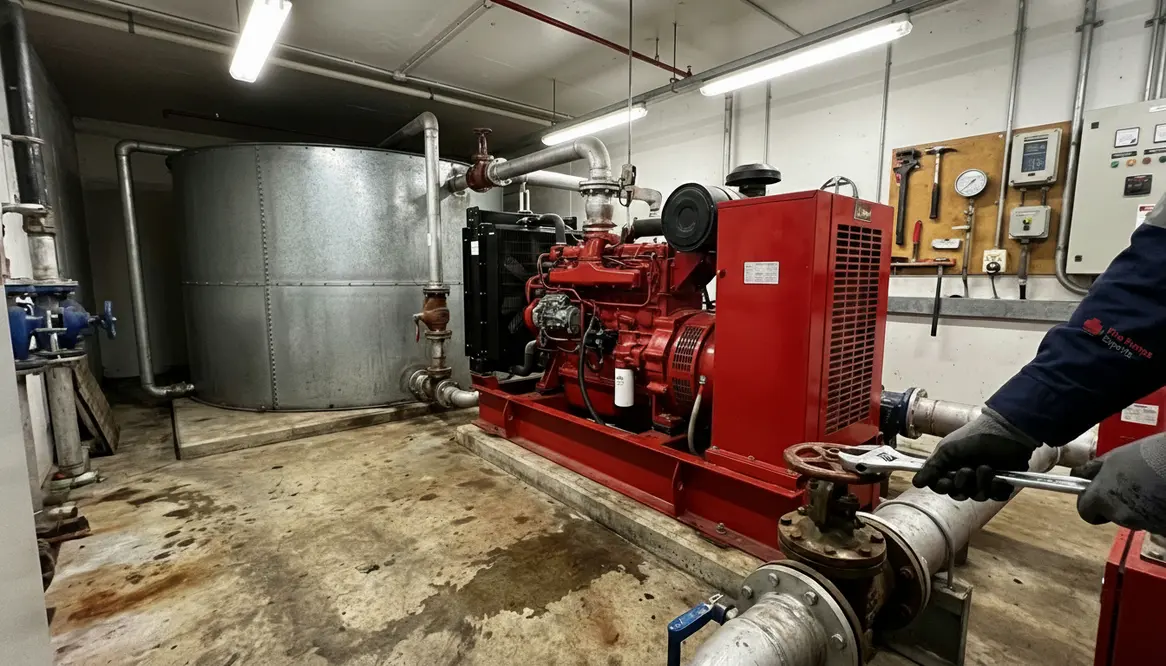
Fire Pump Tank System Repair Australia Guide
I have spent years around pump rooms where the air hums and every sound matters. In Australia, when systems rely on stored water, the stakes rise quickly. That is where fire pump tank system repair Australia becomes more than a service. It becomes a quiet line between order and chaos. Today I will walk you through the real challenges I see in commercial and industrial sites, from high rise buildings to large facilities, and why these systems demand respect, patience, and a bit of good humor. After all, even the toughest pump can have a bad day.
What makes tank supplied fire systems harder to repair?
Let me answer this straight away. Tank supplied systems introduce variables that town mains systems simply do not. First, water levels fluctuate. Second, sediment builds over time. Third, air can creep into places it should never be.
Because of this, diagnosing faults becomes less like reading a manual and more like solving a mystery. I have opened tanks that looked calm on the surface but hid enough debris to clog a pump faster than you can say “that does not sound right.” Meanwhile, inconsistent suction pressure often tricks even seasoned technicians.
So while the system looks simple on paper, in reality it behaves like a moody orchestra. And yes, sometimes it plays jazz when you expect classical.
Common repair headaches in fire pump tank system repair Australia
Now we get into the thick of it. In large commercial buildings, these issues appear again and again.
1. Suction problems
When tanks sit below or far from the pump, suction losses increase. As a result, pumps strain harder, wear faster, and eventually fail.
2. Sediment and contamination
Over time, tanks collect debris. Consequently, impellers clog, seals wear down, and performance drops without warning.
3. Air leaks
Even a small air leak can disrupt priming. Therefore, the pump may run but fail to deliver pressure when it matters most.
4. Valve failures
Valves that stick or leak create uneven flow. In turn, this stresses the entire system and leads to costly repairs.
I have seen systems that looked perfectly fine during inspection but failed under test conditions. That is the tricky part. These issues often hide until the worst possible moment, like a plot twist in a thriller you did not sign up for.
How I approach diagnosing tank based fire pump issues
When I walk into a plant room, I do not rush. Instead, I listen first. Pumps talk, in their own mechanical way. A vibration here, a delay there, it all tells a story.
Then I follow a structured approach.
Step one
Check tank conditions. Water level, cleanliness, and structural integrity matter more than people think.
Step two
Inspect suction lines. I look for leaks, restrictions, and poor design choices that seemed like a good idea at the time.
Step three
Test pump performance under load. Static checks are not enough. The system must prove itself.
Step four
Review control systems. Because sometimes the pump is fine, but the controls are having a midlife crisis.
This method keeps me grounded. It also prevents guesswork, which, in this field, is about as useful as bringing a spoon to a bushfire.
Design flaws that make repairs inevitable
Here is the uncomfortable truth. Some systems are set up to fail from day one. Not intentionally, of course, but through oversight.
For example, poor tank placement often leads to chronic suction issues. Likewise, undersized pipes restrict flow, forcing pumps to overwork. In addition, lack of proper filtration invites debris into critical components.
Because of these design flaws, repairs become frequent and expensive. And while maintenance teams do their best, they are often fighting a system that never had a fair chance.
I have walked through facilities where everything looked impressive until you looked closer. It is a bit like a blockbuster movie with great visuals but no plot. Flashy, but not reliable.
Preventative strategies that actually work
Now, let us shift gears. Because while problems are common, they are not unavoidable.
Keep the tank clean
Regular tank cleaning is essential. Not glamorous, I know, but neither is explaining a system failure during an audit. In addition, routine pump testing under real conditions helps catch issues early.
Respect the suction layout
Furthermore, upgrading suction layouts can dramatically improve performance. Even small adjustments reduce strain and extend equipment life.
Train the onsite team
Finally, training onsite teams makes a difference. When staff understand early warning signs, they act faster. And in this field, time is everything.
Think of it like maintaining a classic car. Treat it right, and it runs beautifully. Ignore it, and it will remind you who is in charge.
Why fire pump tank system repair Australia demands specialist expertise
Not every technician is ready for these systems. Tank supplied setups require a deeper understanding of hydraulics, system behavior, and environmental factors unique to Australia.
For large commercial properties and industrial facilities, the margin for error is razor thin. Therefore, experienced specialists bring not just tools, but insight. They see patterns others miss.
In my experience, the difference between a quick fix and a lasting solution often comes down to that expertise. And when compliance, safety, and uptime are on the line, there is no room for shortcuts.
FAQ
Conclusion
When I look at these systems, I see more than pipes and pumps. I see responsibility. If your facility depends on stored water, then proactive care is not optional. It is essential. The right expertise keeps your system ready when it matters most. If you want reliability without surprises, now is the time to act, assess your setup, and ensure your fire protection system stands strong when called upon. When needed, make sure you bring in people who understand the realities of fire pump tank system repair Australia and can back that knowledge with solid, tested practice.