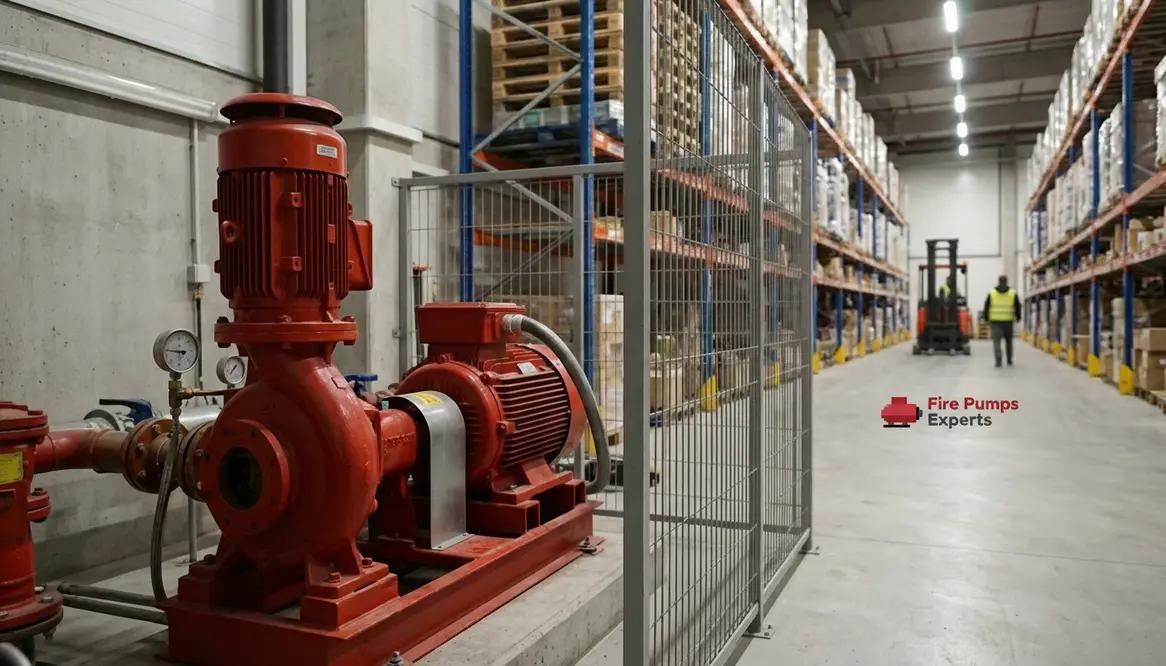
Fire Pump Warehouse Poland Selection Guide
I have spent years walking through vast industrial spaces where silence can turn into urgency in seconds. And when it comes to fire pump warehouse Poland solutions, I treat the subject with the kind of respect you give a ticking clock in a suspense film. Warehouses across Poland are growing larger, taller, and more automated. That means fire protection cannot be an afterthought. It has to be precise, reliable, and quietly powerful, like a good bassline in a classic track.
So let me walk you through how I approach selecting the right fire pump for warehouse environments, with just enough humor to keep us both awake. Because let’s be honest, fire pumps are not exactly blockbuster material. But when they matter, they really matter.
Understanding fire pump warehouse Poland requirements
First, I always begin with the environment itself. Warehouses in Poland vary from cold storage giants to high rack distribution hubs. Therefore, the fire risk profile changes dramatically. A chilled logistics center behaves very differently from a facility storing plastics or packaging.
I look closely at three things right away. Storage height, commodity type, and sprinkler system design. These define the required flow and pressure. And yes, if that sounds like detective work, it kind of is. Except instead of solving crimes, I am preventing them.
Moreover, Polish regulations and European standards play a key role. Compliance is not optional. It is the foundation. So I align every selection with EN standards and local fire authority expectations. Because nobody wants a surprise inspection turning into a plot twist.
How do I choose the right fire pump size for a warehouse?
I start with hydraulic calculations. Always. Guesswork belongs in game shows, not in fire protection. I calculate the required flow based on the most demanding sprinkler area. Then I determine the pressure needed to deliver that flow at the highest and most remote point.
After that, I match the pump curve carefully. A pump that is too large wastes energy and can damage the system. Too small, and well, that is like bringing a water pistol to a dragon fight.
Additionally, I consider future expansion. Warehouses grow. Racking goes higher. Storage density increases. So I often recommend a bit of strategic headroom, not excess, just enough to stay ahead of change.
Why sizing discipline matters in a fire pump warehouse Poland
In a busy fire pump warehouse Poland setup, even small oversights in sizing can ripple across the entire protection strategy. From pump room footprint to incoming power demand and tank volume, every decision either sharpens or blunts the system’s performance. I prefer sharp.
Key components I never overlook
Choosing a fire pump is not just about the pump. It is about the entire ecosystem working together without hesitation.
Pump type
I typically evaluate horizontal split case and vertical turbine pumps. Each serves different supply conditions.
Driver selection
Electric motors are common, but diesel engines offer reliability when power stability is uncertain.
Controller systems
A smart controller ensures automatic start and monitoring. It is the brain behind the muscle.
Water supply reliability
Without consistent supply, even the best pump is just expensive decoration.
Furthermore, I ensure redundancy where necessary. Because in critical infrastructure, backup is not luxury. It is common sense.
Small components, big consequences
From jockey pumps keeping pressure stable to valves, sensors, and test headers, the details quietly decide whether a system behaves like a coordinated orchestra or an out-of-tune garage band. I always prefer full orchestral control when the alarm rings.
Fire pump warehouse Poland design considerations for large facilities
Large commercial and industrial warehouses demand more than basic setups. I approach these projects with a systems mindset. Everything must work in harmony.
For instance, I carefully assess zoning strategies. Dividing a warehouse into fire zones can reduce demand on a single pump system. Consequently, this improves efficiency and reliability.
Then there is automation. Modern warehouses rely heavily on robotics and conveyors. These introduce unique fire risks. So I integrate the fire pump system with advanced detection and suppression technologies.
Also, I never ignore environmental conditions. Poland’s winters are no joke. Freezing temperatures can compromise poorly protected systems. Therefore, I specify insulated pump rooms and heated enclosures when needed.
It is a bit like preparing a car for a long road trip. You do not just check the fuel. You check everything, because the road will test it.
Linking warehouse operations and pump room design
Conveyor layouts, mezzanines, charging stations for forklifts, and automation zones all influence how I shape a fire pump warehouse Poland design. Pipe routing, zone control valves, and testing access must respect the reality of how the building actually works day to day.
Common mistakes I see and avoid
Over the years, I have seen patterns. Some choices look fine on paper but fail in practice.
One common mistake is underestimating system demand. Designers sometimes rely on outdated assumptions. However, warehouse operations evolve quickly. So I always validate data against current usage.
Another issue is poor installation layout. Even a perfect pump struggles if piping design creates unnecessary friction losses. Therefore, I collaborate closely with installation teams.
And then there is maintenance. Or rather, the lack of it. A fire pump that sits idle without regular testing is like a gym membership you never use. It looks good, but it does not help when you need it.
Avoiding shortcuts in specification and maintenance
I have seen beautiful specification documents paired with neglected pump rooms. The system’s true story is told in the test logs, fuel levels, valve positions, and controller alarms. If those do not line up, paperwork will not save the day when the sprinklers open.
FAQ about fire pump systems in warehouses
Final thoughts and next steps
Choosing the right fire pump is not about ticking boxes. It is about building quiet confidence into a system that may one day carry the weight of everything inside your warehouse. If you are planning or upgrading a fire pump warehouse Poland setup, now is the time to get it right. Reach out, ask the hard questions, and invest in a solution that stands ready, even when no one is watching. Because the best systems rarely make noise, until they save the day.
For deeper technical references and design resources, you can explore specialist material at https://firepumps.org, then adapt those principles to the specific realities of your warehouse, your risk profile, and your local authority expectations.