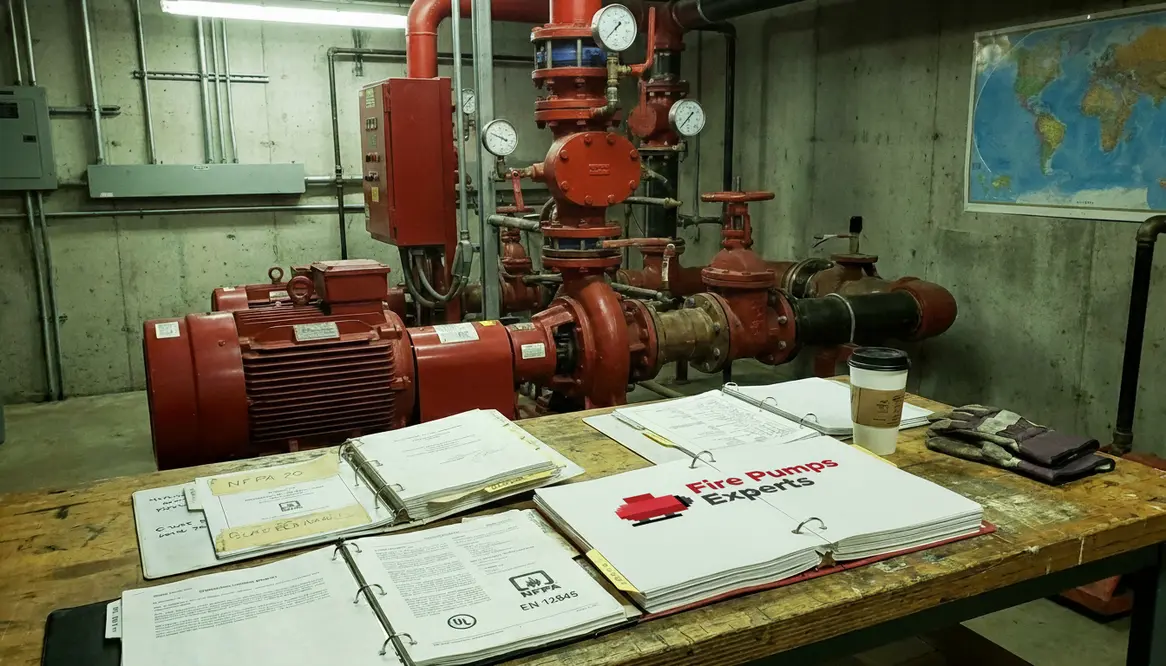
Global Electric Fire Pump Standards Compared
When I look at Global electric fire pump standards, I see more than a pile of rules and acronyms. I see the quiet backbone of fire safety in commercial towers, warehouses, hospitals, and industrial plants. These systems do not ask for applause. They simply stand ready, like the Batman of building protection, except with more water and less drama. Still, the standards behind them can feel like a maze. So, I am going to compare the major ones in plain language, with a business casual pace and just enough wit to keep the lights on.
For property owners, engineers, and facility teams, understanding these standards matters because the right pump can mean fast response, code approval, and lower risk. Just as important, the wrong setup can invite delays, costly fixes, and a very bad day. Let me break it down.
Which Global standards matter most for electric fire pumps?
I usually start with three major names: NFPA 20, UL and FM in North America, plus EN 12845 and related European rules, and AS and local codes in Australia and parts of Asia Pacific. Each one sets expectations for design, performance, installation, and testing. However, they do not all speak the same language.
NFPA 20, UL, and FM
NFPA 20 focuses on how fire pumps should be installed and operated in the United States and many projects that follow U.S. practice. It covers electric motors, power supply, controller logic, pump room layout, and acceptance tests. Meanwhile, UL 448 and FM Approval help prove the pump and controller meet performance and safety benchmarks. NFPA tells you how to build the stage, while UL and FM help confirm the lead actor can actually perform. A small detail, yes, but a very expensive one if ignored.
EN 12845 and AS / Local Codes
Across Europe, EN 12845 shapes sprinkler and fire pump expectations, while local fire codes fill in details by country. In Australia and parts of Asia Pacific, AS standards and local regulations guide fire pump design and acceptance. The principles look familiar, but the wording, approvals, and documentation take on a distinctly local accent.
How do electric fire pump standards compare across regions?
Here is the short version. North America leans hard on NFPA 20 plus product approvals. Europe often uses EN 12845 and local fire codes. International projects may blend both worlds, especially when a facility owner wants one design approach across multiple sites. That is where the fun begins, and by fun I mean spreadsheets, plan reviews, and someone saying, “We need one more meeting.” Naturally.
Four factors that shape the comparison
Power source and backup
Electric pumps need a stable power supply, and standards often require a reliable alternate source or backup arrangement. NFPA 20 is very detailed here. It cares about feeders, overcurrent protection, and emergency power. European rules may focus more on system reliability and building class. As a result, engineers must match the site risk with the local code path.
Performance and flow
All standards want the pump to deliver the needed flow and pressure. However, the test methods can differ. Some require full rated performance checks, while others set broader acceptance rules. Therefore, the same pump may pass in one region and need adjustments in another. That is not a plot twist. That is compliance.
Controller and monitoring
Electric fire pumps depend on a controller that starts the pump fast and clean. NFPA and UL are very specific about alarms, signals, and power loss response. European standards also focus on dependable start-up, but local control logic can vary. In practice, this means the controller is not just a box with blinking lights. It is the nervous system.
Testing and documentation
Every region wants proof. Expect factory tests, site acceptance tests, and maintenance logs. In many cases, the paperwork matters almost as much as the hardware. Yes, bureaucracy is the cardio of engineering.
Where does Global electric fit in real projects?
Global electric systems matter most when a company builds or upgrades commercial and industrial facilities across regions. A data center in Texas, a logistics hub in Germany, and a high rise in Singapore will not always follow the same script. Even so, the goal stays the same: protect people, assets, and uptime.
I often see three project truths repeat themselves. First, the building use drives the standard choice. Second, local authority approval can reshape the design. Third, the fire pump room must fit both code and real world maintenance needs. A perfect spec that no one can service later is like a sports car parked in a cave. Nice to admire. Awful to live with.
Dual comparison: NFPA 20 versus EN 12845
Here is the quick side by side view that usually helps decision makers most:
NFPA 20
Focuses on installation and system reliability in U.S. style projects. It gives strong guidance on electric supply, pump room setup, controller rules, and acceptance testing. It works best when the project team wants a highly defined path for commercial and industrial fire protection in North America.
EN 12845
Focuses on sprinkler system design and supports fire pump use within European project frameworks. It often works with local fire authority rules and risk based building classification. It suits facilities that need to align with European codes and multi country design practices.
Both standards aim for dependable operation. Still, the details can shape cost, layout, and approval time. That is why I always tell teams to compare standards early, not after the pump room walls are already up and everyone is staring at each other like a scene from a bad reality show.
What should facility teams check before choosing a standard?
I always advise teams to check five things first:
- Facility type: industrial plant, warehouse, hospital, or major office tower
- Local code: the authority having jurisdiction decides the final path
- Power reliability: the electric supply must support fast, safe pump start-up
- Maintenance access: technicians need room to inspect and test the system
- Approval path: product listing, acceptance testing, and documents must line up
These checks save time and reduce redesigns. They also help owners avoid the classic “we should have known that earlier” conversation, which has ended more than one long afternoon.
FAQ
Conclusion
If I had to sum it up, I would say this: compare standards early, match them to the building, and keep the approval path simple. That is how Global electric fire pump projects stay on time and on code. If your commercial or industrial facility needs a clear standard strategy, now is the moment to review your options, confirm local requirements, and plan with confidence. A strong fire pump plan is not just compliance. It is peace of mind with a motor behind it.