Global Fire Pump Maintenance Requirements Compared
When I look at Global maintenance for fire pumps, I see one thing very clearly: the goal never changes, but the rules sure do. Every commercial and industrial facility needs a fire pump that works when it matters most. Yet the way teams inspect, test, and service that pump can vary by country, code, and building type. One region may ask for weekly checks, while another pushes deeper monthly testing. That is why I compare the major requirements before anyone starts guessing. In fire protection, guessing is a terrible hobby. The stakes are too high, and the stakes do not care if you had a busy week.
In this guide, I break down the main differences in fire pump care for major properties, industrial plants, and large commercial buildings. I also explain what stays the same, what changes by region, and how I keep maintenance simple without cutting corners.
What Global Fire Pump Maintenance Usually Covers
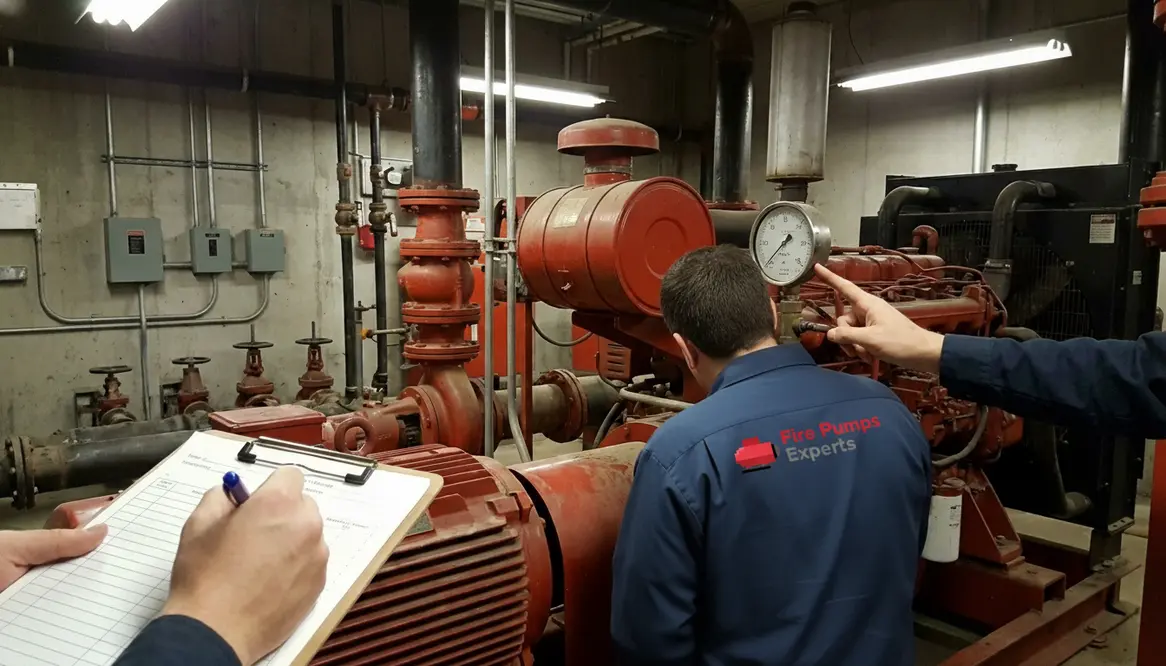
At the core, Global maintenance always focuses on the same few tasks: visual checks, pressure checks, fuel checks, leak checks, controller checks, and performance testing. Even so, each system has its own personality. A diesel fire pump in a warehouse may need more attention than an electric pump in a high rise office tower. I always start with the basics because the basics catch trouble early.
Here is the common pattern I follow for commercial and industrial sites:
- Inspect the pump room for heat, leaks, and blocked access
- Check suction and discharge pressure
- Test the controller and alarms
- Confirm power, fuel, and battery condition
- Run the pump under test conditions
- Record the results and compare them to past readings
That record matters. A pump rarely fails with drama. More often, it whispers first. The pressure slips, the vibration grows, or the engine sounds like it skipped breakfast. I watch for those small signs because they often save a building from a big problem.
How Global Maintenance Rules Differ By Region
Now, this is where things get interesting. Around the world, fire pump rules come from local codes, insurance needs, and national standards. Some countries follow very detailed testing cycles. Others allow more flexibility, but only if the owner keeps strong records and uses trained technicians.
In North America, for example, many facilities follow NFPA based testing habits, which often include weekly visual checks and regular churn tests. In parts of Europe, standards may focus more on local fire codes and building use. In the Middle East and Asia, large commercial towers and industrial sites often face strict site specific rules, especially where heat, dust, or power issues raise the risk. So yes, the same fire pump can live under very different expectations, much like a celebrity on two different red carpets.
Dual View: Common Checkpoints Versus Regional Demands
Shared checkpoints
- Weekly or routine visual checks
- Monthly operational tests
- Annual performance review
- Controller and power source inspection
- Logbook or digital recordkeeping
Regional demands
- Different test frequencies
- Different flow test methods
- Different acceptance limits
- Different documentation rules
- Different rules for diesel, electric, and jockey pumps
Even so, the smart move stays the same everywhere: match the maintenance plan to the code, the building, and the risk level. A factory with nonstop production does not need the same plan as a data center, and a major property tower does not need the same approach as a logistics hub. One size fits nobody, not even in the world of fire protection.
Which Fire Pump Tests Matter Most For Commercial Sites?
For me, the most important tests are the ones that show how the pump behaves under real stress. That means flow testing, churn testing, and controller checks. Flow testing tells me whether the pump still delivers the required water volume. Churn testing shows whether it holds pressure without strange noise or overheating. Controller checks matter because a perfect pump with a weak controller is like Batman without the Batmobile. Still useful, but not ideal.
I also pay close attention to the water supply. If the source has low pressure, dirty water, or unstable levels, the pump may work harder than it should. That stress can shorten the life of the unit. So I never treat the pump as an island. I inspect the whole system, because the whole system must work together when the alarm sounds.
How I Keep Global Fire Pump Maintenance Efficient
I keep the process efficient by building a schedule that fits the site, not the other way around. First, I set the inspection cycle based on local rules. Then I group tasks so technicians can complete checks in one visit when possible. After that, I track trends in pressure, vibration, temperature, and start behavior. That way, I spot small changes before they turn into expensive repairs.
For large buildings and industrial properties, this approach saves time and cuts risk. It also helps owners plan budgets with less panic and fewer surprise repairs. And let us be honest, surprise repairs are fun only when they happen to someone else.
Global Maintenance, Strategy, And Real-World Risk
When teams talk about Global maintenance, I always bring the conversation back to risk. A system in a quiet suburban office will not live the same life as a pump feeding hydrants around a refinery. Heat, dust, corrosive air, and rough power all push the equipment harder. The maintenance plan has to respect that reality.
Some owners lean on a bare minimum schedule because the code book says they can. Others treat the code as a starting line and build a stronger program on top. The second group usually has fewer headaches, fewer insurance questions, and far fewer awkward conversations after an incident. A well built Global maintenance plan is really an insurance policy for the system itself.
FAQ
Conclusion
If you manage a commercial building, industrial plant, or major property, I recommend treating fire pump care as a serious routine, not a last minute scramble. Global maintenance works best when it matches local rules, supports the building’s risk level, and stays on a steady schedule. If you want a stronger plan for your facility, I suggest reviewing your fire pump program now and tightening the weak spots before they turn into costly surprises.