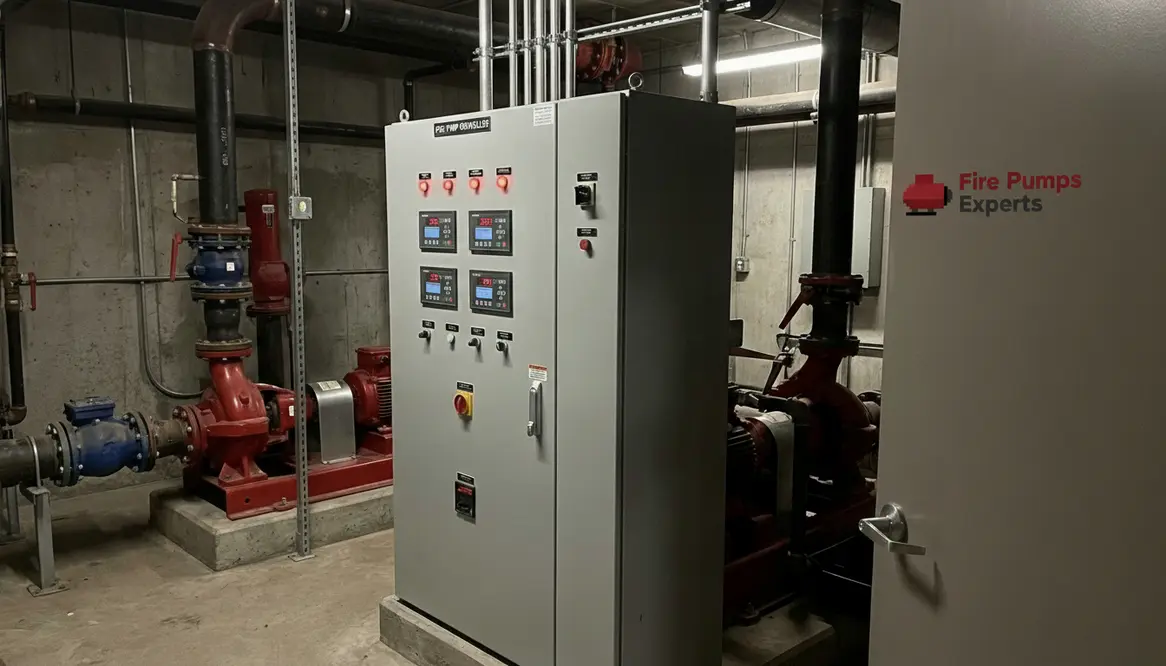
Global Fire Pump Controller Standards Comparison
Global Fire Pump Controller Standards Compared
When I look at fire protection systems for commercial and industrial buildings, I always start with the Global controller because it sits at the heart of the pump room like the steady drummer in a rock band. If it misses a beat, the whole system feels it. In major properties, that matters a lot. Different regions set different rules for fire pump controllers, and those rules shape how a system starts, alarms, protects, and reports. So, if you manage a plant, warehouse, tower, hospital, or another large facility, this comparison helps you see what changes from one standard to another and why it matters in the real world.
As I compare these standards, I focus on safety, compliance, and practical use. After all, paperwork is lovely only until the fire marshal shows up with a flashlight and a very serious face.
How Global fire pump controller standards differ by region
I see the biggest split between regions in how they define controller performance, power supply backup, alarm behavior, and fault handling. In North America, the usual reference is NFPA 20, paired with UL 218 and FM approval in many projects. These standards push for strong reliability, clear alarm signals, and dependable automatic starting. In Europe, EN 12845 often guides design, while IEC based electrical rules affect controller build and wiring. In many Middle East and Asia Pacific projects, teams often blend local code rules with NFPA or EN based specs, which can feel like mixing Batman, Sherlock, and a spreadsheet. It works, but only if the team stays sharp.
Here is the simple truth. The Global controller must do the same core job everywhere, but the path to approval changes. Some standards focus more on electrical detail. Others care more about system testing and performance under fault conditions. Therefore, I always check whether the project needs a listed controller, a tested controller, or one built to meet local authority needs.
What a fire pump controller must do in a major property
In a commercial or industrial site, I expect the controller to do five things without drama.
- It must start the pump automatically when pressure drops.
- It must allow manual start when needed.
- It must show alarm and fault conditions clearly.
- It must protect the motor and the control circuit.
- It must survive harsh room conditions such as heat, dust, vibration, and the occasional operator who thinks all buttons are optional.
That sounds basic, yet it is where standards matter most. For example, NFPA based systems often require specific pressure switch logic, dedicated power sources, and robust indication of pump status. EN based systems may place more weight on electrical control cabinet design and overall installation method. Meanwhile, local codes may ask for fire service interface signals or remote monitoring that fit regional emergency response habits. So, I always treat controller compliance as both a code issue and a site design issue.
Global controller comparison in a quick view
Below I compare the main standard groups I see most often for large buildings and industrial facilities.
North America
NFPA 20 leads the fire pump design rules. UL 218 and FM approvals often support product acceptance. I find this framework very direct. It expects dependable automatic start, clear power status, and strong fault handling.
Europe
EN 12845 often shapes sprinkler and pump system design. Electrical compliance then depends on IEC rules and local market practice. This route can feel more layered, but it gives teams flexibility if they know the local approval path.
Middle East and Asia Pacific
Many projects here follow NFPA, EN, or a mix of both, then add local civil defense or authority rules. That means the controller spec must stay flexible. In other words, the project team needs a translator, not just an electrician.
Standard focus
- North America: performance, listing, and automatic operation
- Europe: installation method, electrical compliance, and system integration
- Middle East and Asia Pacific: mixed code paths and authority approval
Controller impact
- North America: strong emphasis on listed equipment and clear fault signals
- Europe: emphasis on cabinet build and wiring rules
- Middle East and Asia Pacific: custom coordination with local fire authority and site specs
What I check before choosing a Global fire pump controller
Before I approve a controller for a major property, I check the certification path first. Then I look at the supply type, because electric and diesel pump controllers follow different needs. After that, I review alarm contacts, phase loss protection, battery backup for diesel starting, and remote monitoring options.
I also check environmental limits. If the pump room sits in a dusty plant or a hot utility space, the enclosure rating matters. Likewise, if the building relies on a building management system, I verify that the controller sends the right signals without confusion. Nobody wants a panel that says “something happened” when the operator needs “the pump failed to start.” Precision saves lives and saves time.
On projects that cross borders, I look for a Global controller design that can align with NFPA, EN, and local authority rules without constant redesign. That keeps engineering effort focused on risk, not paperwork gymnastics.
How firepumps.org fits into the approval process
When I review projects for commercial and industrial facilities, I use trusted technical sources and product references that support real compliance work. If you want a deeper technical reference, I suggest reviewing the Global fire pump controller resource for commercial and industrial facilities. It helps frame controller selection around major property needs, which is exactly where the risk sits.
Used well, a strong reference set keeps the Global controller aligned with code shifts, authority preferences, and emerging technology so that upgrades feel planned instead of panicked.
FAQ
Conclusion
If I had to sum it up, I would say this: the best fire pump controller is the one that matches the code, the site, and the authority having jurisdiction. For commercial and industrial buildings, that choice protects people, property, and operations. So, before you sign off on a spec, compare the standards, check the approvals, and confirm the signals. If you want fewer surprises and better compliance, start with the controller and build from there. When the Global controller is chosen well, the rest of the fire protection story tends to fall into place.