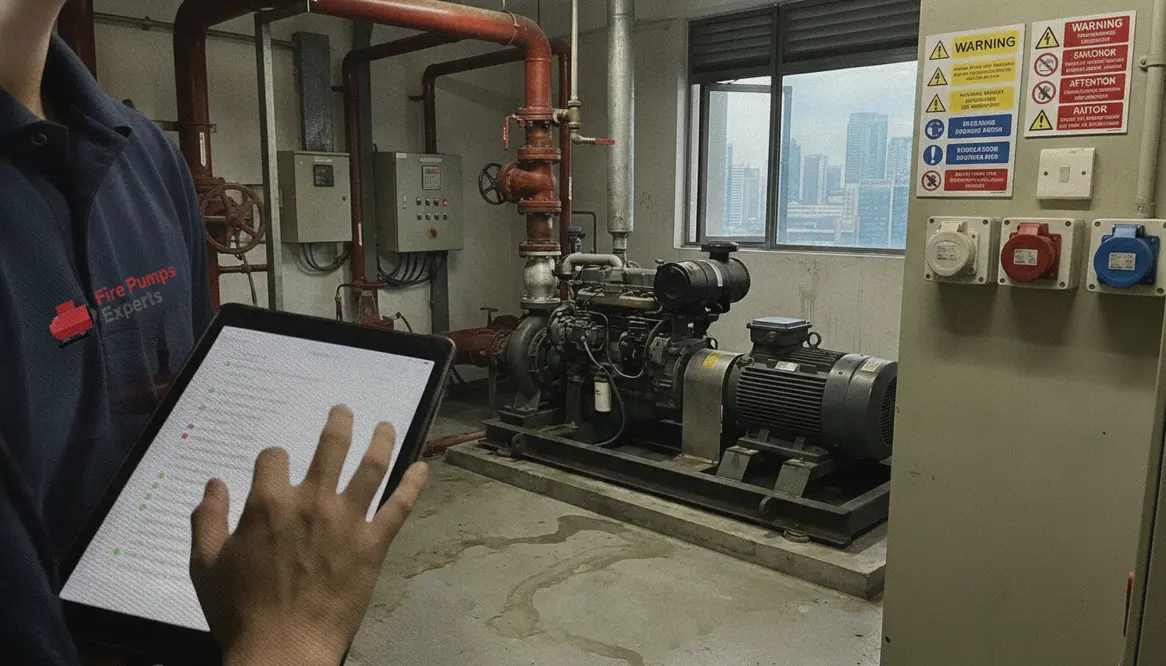

Global Fire Pump Room Requirements by Region
How different regions shape the rules for the room that keeps water moving when everything else goes wrong.
Global Fire Pump Room Requirements Compared
When I walk into a global room that houses fire pumps, I do not just see pipes and steel. I see a system that stands between a building and a very bad day. Across commercial and industrial properties, fire pump room rules can shift from country to country, but the goal stays the same: keep water moving when everything else fails. That is why I compare these requirements with care. The details matter, and yes, the details are the part that saves the day while everyone else is still looking for the panic button.
In this guide, I break down the major differences in fire pump room requirements across regions, explain what owners of major properties should watch for, and show how I approach compliance without turning it into a four hour paperwork marathon. Let us get into it.
What I look for in a fire pump room
First, I start with the basics. A fire pump room must keep the pump ready, protected, and easy to reach. I check access, ventilation, lighting, drainage, heat control, and space around the equipment. If a room feels cramped, damp, or hard to reach, then I already know trouble is waiting like a villain in the final act of a movie.
For commercial and industrial buildings, I also look at how the room supports emergency work. The room should allow safe inspection, fast repair, and smooth operation under stress. In many places, codes ask for fire rated construction, locked access, and protection from flooding. However, some regions go further and demand extra backup features for high risk sites such as large warehouses, plants, and tall buildings.
Here is the simple truth. A fire pump room is not a storage closet with a hero complex. It needs clear purpose and strong design.
Quick fire pump room readiness check
- Is the room easy to reach 24/7 from main circulation routes?
- Can you walk around the pump and valves without doing gymnastic moves?
- Is there honest, bright lighting over key equipment and controls?
- Does the room stay above freezing and below “equipment meltdown” in hot seasons?
- Is drainage capable of handling leaks, testing discharge, and sprinkler trips?
- Are doors, walls, and penetrations rated and sealed as required?
How Global room rules compare by region
Different countries often follow different code systems, and that creates real gaps in design and enforcement. In North America, many projects follow standards tied to NFPA rules and local building codes. These rules focus on room size, access, electrical safety, drainage, and reliable fuel supply for diesel systems. In Europe, I often see stronger ties to EN standards and local fire authority expectations, which can change how the room sits inside the building.
In the Middle East and parts of Asia Pacific, authorities may require extra cooling, stronger security, and more room around the equipment because heat and power stability can be major concerns. Meanwhile, some industrial zones in Latin America place strong emphasis on site specific risk and service continuity, especially where a shutdown can cost a fortune by the hour. That is not drama. That is math wearing steel boots.
Global room comparison at a glance
North America
Often stresses code alignment, room access, drainage, and reliable standby power.
Europe
Often focuses on local fire rules, compact design, and strong integration with building safety systems.
Middle East and Asia Pacific
Often require heat control, secure placement, and strong resilience for critical sites.
Latin America
Often gives more weight to operational risk, plant uptime, and local enforcement needs.
So, while the equipment may look similar, the room rules can feel like different scripts for the same movie.
What commercial and industrial buildings must get right
For major properties, I always pay close attention to three things: reliability, access, and safety. If the fire pump room sits too far from service routes, then response time suffers. If the room lacks ventilation, then heat can damage the pump and controls. If the room has poor drainage, then even a small leak can become a big headache.
Industrial sites bring another layer of pressure. Vibration, dust, chemical exposure, and high ambient heat can all affect performance. Therefore, I look at room layout as part of the overall protection plan, not as a separate box to tick. A strong design can support routine checks and reduce downtime. A weak one can turn maintenance into a scavenger hunt.
Also, I never ignore fire authority review. Codes may say one thing, but local officials may ask for more. That is why I recommend early review for any major building project. It saves time, money, and a few gray hairs that nobody asked for.
How I compare Global room design in practice
When I compare fire pump room requirements, I use a simple method. I check the code, then I check the site, and then I compare both against the building risk profile. That gives me a clear picture of what the room must do, not just what the drawing says it should do.
In practice, I ask:
- Does the room stay dry and protected from flooding?
- Can staff reach it fast during an emergency?
- Does it have enough space for inspection and repair?
- Does it meet power, ventilation, and security needs?
- Does it match local code and authority demands?
When I answer those questions, I can compare regions with much better clarity. Then I can help owners of commercial towers, factories, logistics hubs, and other major properties avoid weak points before they become expensive stories told at meetings nobody wanted to attend.
Why code compliance is not the whole story
Code compliance matters, but it does not end there. I have seen rooms that technically passed but still worked poorly in the real world. That happens when people design for minimum compliance instead of real operation. A room can look fine on paper and still fail under pressure. Life has a way of testing the fine print.
That is why I value practical design. I want the pump room to support inspection, testing, repair, and emergency use. I also want it to fit the building’s risk level. A large hospital, data center, refinery, or high rise needs more than a basic setup. It needs a room that can keep up with the site’s daily reality.
For deeper support, I would also look at the NFPA fire pump room guidance for commercial facilities and align it with local code, since that helps bridge global rules with real site needs.
Global room FAQs
Conclusion
If you manage a major commercial or industrial property, I urge you to treat the fire pump room as critical infrastructure, not background noise. Compare local rules early, review the site risk, and build for real use, not just minimum code. If you want a stronger path forward, contact our team at https://firepumps.org and let us help you align your fire pump room with the right standards, the right performance, and the right protection for your building.