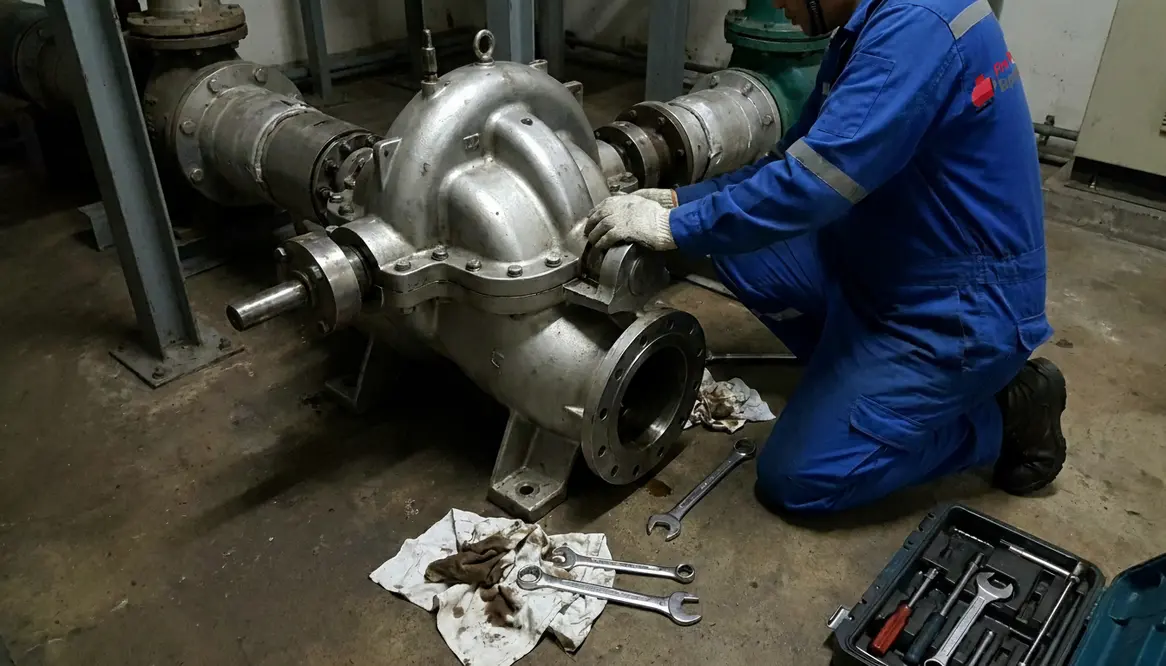
Horizontal Split Case Pump Maintenance Guide
I have spent enough time around pumps to know one thing for certain. They never fail at a convenient hour. It is always late, always loud, and always expensive. That is exactly why horizontal split case pump maintenance deserves more than a quick glance and a hopeful shrug. In large commercial and industrial buildings, these pumps carry serious responsibility, moving massive volumes of water with quiet confidence. When they falter, everything feels it. So today, I will walk you through how I keep them running smoothly, with a calm hand, a steady plan, and just a hint of humor to keep things human.
What do I check first when maintaining a split case pump?
I start simple, because simple catches problems early. First, I listen. A healthy pump has a steady rhythm. If it suddenly sounds like it is auditioning for a heavy metal band, something is off.
Next, I check for leaks. Even small drips matter. Over time, they become bigger issues, and nobody enjoys explaining water damage to upper management.
Then, I move to vibration. Excess vibration often signals misalignment or worn components. Therefore, I keep a close eye on mounting bolts and couplings.
Finally, I monitor temperature. Bearings and seals should stay within expected ranges. If they start running hot, they are asking for attention. Ignore that, and you will be scheduling an emergency repair at the worst possible moment.
Core steps in horizontal split case pump maintenance
Now we get into the real work. I treat this process like a routine, not a reaction. Consistency keeps surprises away.
Inspection: I examine the casing, seals, and bearings. Over time, wear is inevitable, but catching it early changes everything.
Lubrication: Bearings need proper lubrication, not too much and not too little. Think of it like coffee. The right amount keeps everything running smoothly. Too much, and things get messy.
Alignment: Misalignment between the pump and motor can quietly destroy components. Therefore, I verify alignment regularly using precise tools.
Cleaning: Debris buildup reduces efficiency. I keep internal passages clean so flow remains unrestricted.
Performance testing: I track flow rate, pressure, and power use. If numbers drift, the pump is telling a story. I make sure I am listening.
When I follow these steps, I avoid those dramatic failures that feel like a scene straight out of an action movie. Except here, no one is cheering.
Daily habits that extend pump life
Maintenance is not just about scheduled service. It lives in daily habits. Small actions build long term reliability.
What I Do Daily
- Check pressure readings
- Listen for unusual noise
- Scan for leaks
- Observe vibration levels
Why It Matters
- Confirms steady performance
- Detects early mechanical issues
- Prevents water damage
- Protects bearings and seals
These habits take minutes. However, they save hours, sometimes days, of downtime. In large facilities, that difference can mean keeping operations smooth instead of explaining delays to a very unimpressed room of stakeholders.
Common mistakes I avoid during pump upkeep
I have seen maintenance go wrong, and it is rarely because people do not care. It is usually because they rush or assume.
First, I never skip alignment checks after servicing. Even a slight shift can lead to major wear.
Second, I avoid over tightening components. It feels secure, but it stresses parts in ways they were never designed to handle.
Third, I do not ignore small performance changes. A slight drop in efficiency today can become a full breakdown tomorrow.
And finally, I resist the urge to delay maintenance. It is tempting, especially when everything seems fine. However, pumps have a way of reminding you that “fine” is temporary.
How I handle long term horizontal split case pump maintenance planning
I believe in planning like a chess player. Every move sets up the next one.
I schedule routine inspections based on operating hours, not just calendar dates. Pumps in high demand environments need closer attention.
Additionally, I keep detailed records. Every inspection, every repair, every adjustment. Over time, patterns emerge. Those patterns help me predict issues before they happen.
I also make sure spare parts are available. Waiting on a critical component during a failure is like waiting for a plot twist that everyone already saw coming.
Most importantly, I coordinate with facility teams. In commercial and industrial properties, pump reliability supports safety systems, HVAC, and overall operations. Therefore, maintenance is never isolated. It is part of a bigger system that needs to work together.
Horizontal split case pump maintenance and your wider system
Horizontal split case pump maintenance does not happen in a vacuum. It connects directly to fire protection loops, chilled water plants, and domestic water systems that keep people comfortable and infrastructure safe. When I review a pump, I also think about the valves, strainers, and controls surrounding it. If you want a useful reference point for best practices across larger systems, resources such as https://firepumps.org can help frame how individual pumps fit into a much bigger reliability picture.
That broader view is what turns “just another service task” into a strategy. Horizontal split case pump maintenance is one of the simplest, most effective levers you have to protect equipment investments, safeguard building occupants, and keep critical operations online when you need them most.
FAQ: Quick answers for fast decisions
Horizontal split case pump maintenance generates a lot of recurring questions. Here are the ones I hear most often, with the kind of clear, straightforward answers that help you make decisions quickly.
Keep it running before it runs you
I have learned that pumps reward attention. When I stay consistent, they stay reliable. When I cut corners, they remind me why that was a bad idea. If you manage a commercial or industrial facility, now is the time to take control of your system. Build a plan, follow it closely, and treat maintenance like an investment, not a chore. Because in this world, the quiet hum of a healthy pump is the sound of everything working exactly as it should.