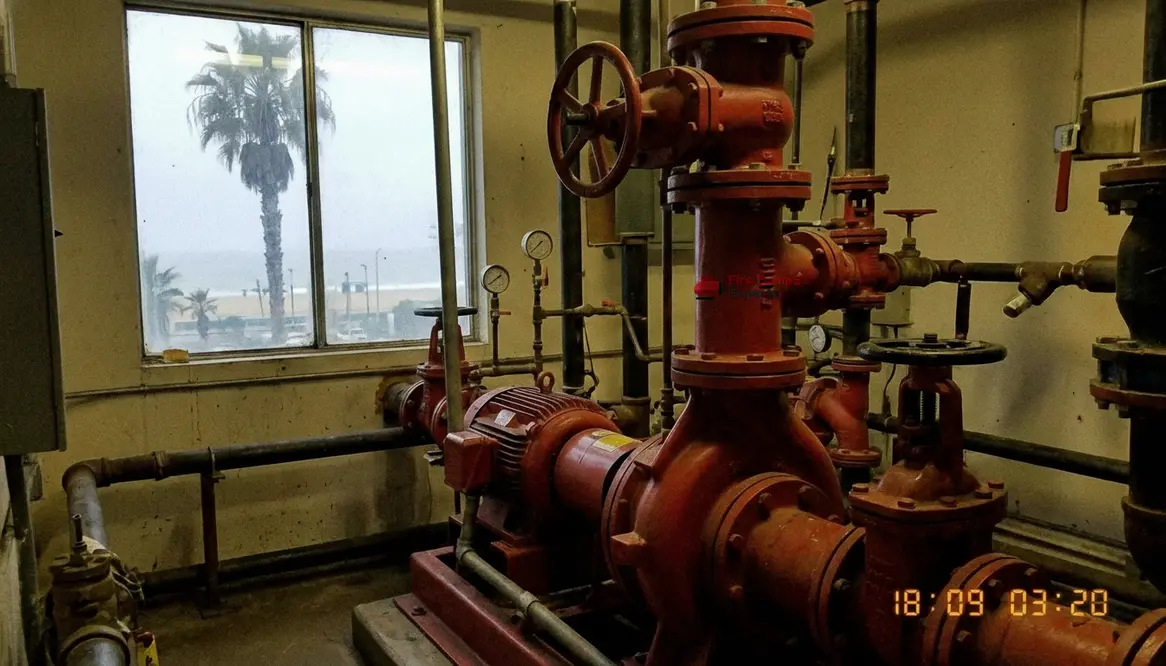
Hotel Fire Pump System Selection Santa Monica Guide
I have walked through enough hotel basements in Santa Monica to know one thing for sure. When things go wrong, they go wrong fast. That is why hotel fire pump system selection Santa Monica is not just a box to check. It is a decision that quietly stands guard over every guest, every floor, and every late night room service order. And while it may not get the spotlight like ocean views or rooftop lounges, it is the real hero behind the curtain. Think of it as the Batman of building systems. Quiet, effective, and always prepared.
Why Fire Pump Selection Matters for Santa Monica Hotels
First, let me set the scene. Santa Monica is not just any coastal city. It mixes high occupancy hotels, strict building codes, and seismic considerations. Because of that, choosing the right fire pump is less about preference and more about precision.
Moreover, hotels operate around the clock. Unlike office buildings that empty out at five, hospitality properties carry continuous risk. Therefore, your fire pump must deliver consistent pressure and reliability under varying demand. I have seen systems fail simply because they were chosen for cost rather than performance. That shortcut never ends well.
Additionally, local codes in Santa Monica often require compliance with both California Fire Code and NFPA standards. So, the system must not only work, it must pass inspection without raising eyebrows. And trust me, inspectors rarely bring a sense of humor.
Santa Monica Pressure: Codes, Guests, And Reality
In hospitality, a fire pump is like the stand‑in star who never misses a cue. Guests expect flawless comfort, regulators expect flawless compliance, and your insurance carrier expects flawless documentation. hotel fire pump system selection Santa Monica sits at the crossroads of all three.
When that selection is rushed, underdesigned, or value‑engineered into oblivion, the risk does not show up on glossy marketing photos. It shows up in pressure drops, failed tests, citations, and in the worst cases, headlines.
What Fire Pump Types Work Best for Hospitality Properties
Now we get into the heart of it. Not all fire pumps are created equal, and hotels demand specific solutions.
Electric Fire Pumps
Electric Fire Pumps are often the go to in urban environments. They are clean, efficient, and integrate well with existing electrical infrastructure. However, they depend on power reliability. In a city like Santa Monica, that is usually stable, but backup systems still matter.
Diesel Fire Pumps
Diesel Fire Pumps, on the other hand, offer independence. When power fails, they keep going. That said, they require more maintenance and space. I like to think of them as the rugged off road vehicles of fire protection. Not always pretty, but they get the job done.
Vertical Turbine Pumps
Vertical Turbine Pumps come into play when water supply conditions demand it. Hotels near the coast or with unique water access setups often benefit from this design. They pull water efficiently, especially when the source sits below ground level.
Ultimately, selecting the right type depends on building height, water supply, and risk profile. There is no one size fits all answer, despite what a sales brochure might claim.
hotel fire pump system selection Santa Monica for High Rise vs Boutique Hotels
Here is where things get interesting. A 20 story beachfront hotel and a 3 story boutique property do not play by the same rules.
High Rise Hotels
- Require higher pressure output
- Often need redundancy systems
- Demand advanced monitoring
- Must handle peak occupancy loads
Boutique Hotels
- Operate with simpler layouts
- Lower pressure requirements
- More flexibility in pump type
- Still must meet strict safety codes
While both need reliable systems, the scale changes everything. I have seen boutique hotels over engineer their systems and high rises under prepare. Both mistakes cost time and money.
How Do I Choose the Right Fire Pump Capacity for My Hotel?
Good question. And one I hear often.
Start with your building’s hazard classification and sprinkler demand. Then, factor in standpipe requirements, elevation, and pipe friction loss. It sounds technical because it is. However, skipping these steps leads to underperforming systems.
Furthermore, Santa Monica’s coastal conditions can affect equipment longevity. Salt air is not exactly friendly. Therefore, material selection and corrosion resistance should influence your decision.
I always recommend hydraulic calculations performed by experienced professionals. Guesswork belongs in trivia night, not life safety systems.
Smart Integration and Monitoring Systems
Technology has changed the game. Modern fire pumps now integrate with building management systems, offering real time data and alerts.
Because hotels operate non stop, early detection of issues becomes critical. A small pressure drop today can become a major failure tomorrow. With smart monitoring, you can catch problems before they escalate.
Also, remote monitoring allows facility managers to respond quickly, even off site. It is like having a digital watchdog that never sleeps. And unlike your night auditor, it never asks for coffee breaks.
Maintenance Planning That Actually Works
Installing a fire pump is only half the story. Keeping it operational is where the real work begins.
Routine testing, inspections, and servicing must follow NFPA 25 standards. Moreover, hotels should schedule maintenance during low occupancy periods to avoid disruption.
I have seen beautifully installed systems fail simply because maintenance was ignored. It is like buying a luxury car and never changing the oil. Eventually, it will stop impressing anyone.
Consistent upkeep ensures compliance, reliability, and peace of mind. And in hospitality, peace of mind is priceless.
FAQ Quick Answers
What type of fire pump is best for Santa Monica hotels?
Electric pumps are common, but diesel pumps are preferred for backup reliability.
Do hotels need backup fire pumps?
Yes, especially high rise properties where continuous operation is critical.
How often should fire pumps be tested?
Weekly and monthly testing is required under NFPA standards.
Can one pump serve the entire hotel?
It depends on size and height. Larger hotels often need multiple systems.
Does location affect fire pump choice?
Yes, coastal conditions and water supply impact system design and materials.
Conclusion
Choosing the right fire pump is not just a technical task. It is a commitment to safety, reliability, and long term performance. If you are navigating hotel fire pump system selection Santa Monica, I can help you make sense of the details and avoid costly missteps. Reach out today, and let us design a system that works quietly, efficiently, and exactly when you need it most.
For additional technical context on fire pumps and standards, resources such as https://firepumps.org can support the decisions you make on hotel fire pump system selection Santa Monica without replacing project-specific engineering.