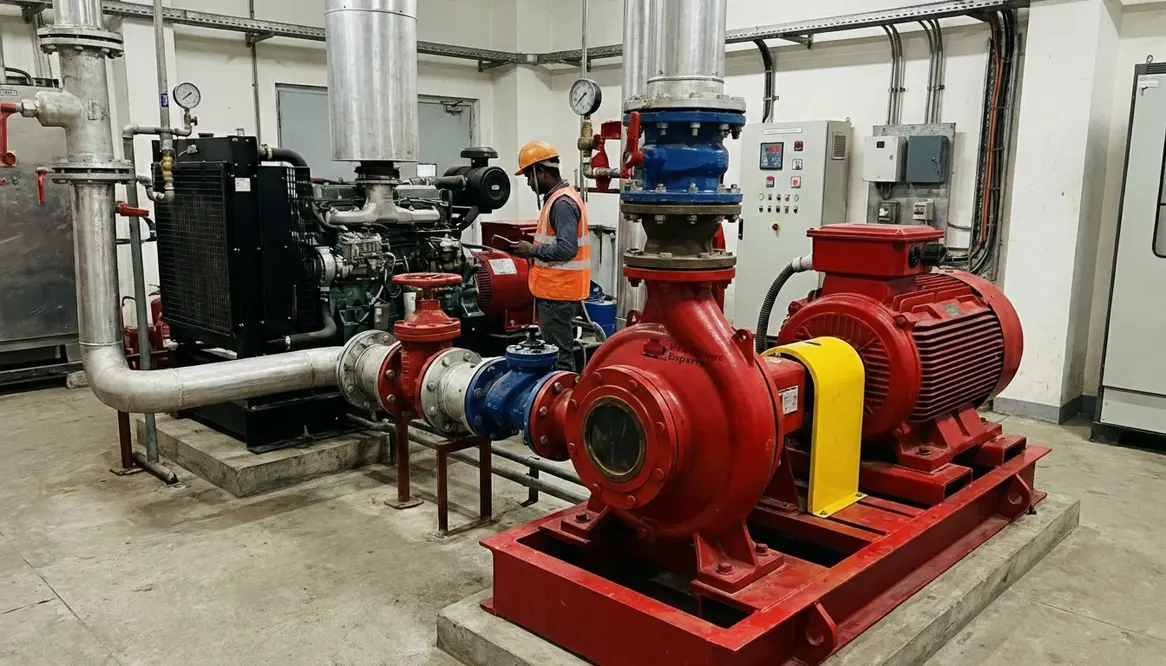
India Fire Pump Requirements for Industrial Buildings
When I look at India industrial facilities, I see more than machines, steel, and busy workers. I see risk, responsibility, and a whole lot of heat, sometimes literally. That is why fire pump requirements matter so much. A fire pump is not just another box in the basement pretending to do a job. It is the pressure behind the entire fire protection system when water needs to move fast and with force. In industrial buildings, that pressure can make the difference between a minor incident and a very expensive disaster that nobody wants to explain in a board meeting.
In this guide, I will walk through the key rules, setup needs, and practical checks for fire pump systems in industrial and major commercial buildings in India. I will keep it simple, direct, and useful, because fire safety should never feel like reading a tax form in the rain.
What I check first in an industrial fire pump setup
Before I talk about pump size or fancy equipment, I start with the building itself. The fire pump must match the hazard level, the water supply, and the system design. Industrial sites often hold raw material, heavy equipment, fuels, chemicals, or large storage areas. Therefore, the fire load is usually higher than in a normal office building.
In India, the design usually follows local fire rules, NBC guidelines, and relevant standards for pumps, sprinklers, hydrants, and water tanks. I also look at the site layout. If the building is wide, tall, or split into different zones, the system needs to move water across all protected areas with steady pressure. A weak pump here is like bringing a spoon to a bucket fight.
I also check these basics:
- Water source: underground tank, suction tank, or reliable municipal supply
- System demand: hydrants, sprinklers, hose reels, or a mix of these
- Building use: storage, production, assembly, or utilities
- Critical areas: electrical rooms, fuel zones, and material storage
How I size fire pumps for India industrial facilities
Fire pump sizing starts with the required flow rate and pressure. I never guess here. I calculate based on the worst credible fire scenario, because fire does not care about shortcuts or optimism. If the system needs to feed both hydrants and sprinklers, the pump must support that combined demand when the rules call for it.
Most industrial buildings need a main electric pump, a standby diesel pump, and a jockey pump. The jockey pump keeps pressure stable and reduces unnecessary starts on the main pumps. That small unit may look humble, but it works like a quiet stage manager making sure the lead actor does not trip on opening night.
Core pump roles
- Electric pump: handles normal fire demand
- Diesel pump: backs up the system if power fails
Support and control
- Jockey pump: maintains line pressure
- Controls: start and stop the system automatically
As a result, the fire system keeps working even when one part fails. That kind of backup is not luxury. It is basic planning.
Why installation rules matter in industrial buildings
A good pump can still fail if the installation is sloppy. I always pay attention to pump room space, suction piping, valve access, cable safety, and ventilation. The pump room should stay easy to reach and protected from flooding, heat, and physical damage. If people cannot service the pump, then they have a problem before the fire even starts.
The suction line must stay short, straight, and properly sized. It should avoid air traps and pressure loss. Also, the pump foundation must stay firm and vibration free. If the unit shakes too much, the whole system suffers, and so does my mood if I have to inspect it again.
For India industrial sites, I also check the following:
- Separate pump room with fire rated construction where needed
- Clear access for maintenance and emergency use
- Reliable power supply for electric pumps
- Diesel fuel storage sized for proper backup time
- Testing lines to verify flow and pressure
In addition, the system must connect with alarms and control panels. That way, the pump starts when pressure drops and the team gets a signal right away. It is not magic. It is just smart engineering doing its job.
How I keep the system compliant and ready
Compliance is not a one time event. I treat it like a routine checkup, because industrial fire systems need regular care. Pumps, valves, batteries, controllers, and fuel systems all need testing. A system that sits idle for months can become unreliable fast, and fire safety does not reward wishful thinking.
I recommend regular flow testing, pressure checks, weekly no load runs, and full system inspection. The fire water tank should also stay at the required level. If the tank runs low, the pump may perform well on paper and fail in real life. That is not the kind of surprise anyone wants.
If you need a practical resource, I suggest reviewing the commercial fire pump requirements guide for industrial and major properties. It helps facility teams stay focused on the right equipment and service needs for large sites.
What I tell facility teams before they buy a pump
Before purchasing, I tell teams to think beyond the price tag. A cheap pump can become very expensive if it cannot meet the demand, fails during outage, or needs repeated repairs. Instead, I look at system reliability, service support, standards compliance, and long term operating cost.
For industrial sites in India, the right fire pump solution should support the building for years, not just pass a first inspection. So I advise teams to involve fire safety experts, mechanical engineers, and maintenance staff early. That makes the process smoother and avoids the classic “we should have checked that first” moment, which is a favorite of no one.
FAQ
Final thoughts on fire pump planning for industrial sites
If I want a fire pump system to work when it matters most, I plan it with care, install it with discipline, and test it without excuses. That is the simple truth for any India industrial facility that values safety, uptime, and peace of mind. So if you manage a large building or factory, now is the time to review your fire pump setup, check compliance, and speak with a specialist before risk gets a head start.