Indonesia Industrial Fire Pump Requirements Guide
Indonesia Fire Pump Requirements for Industrial Facilities
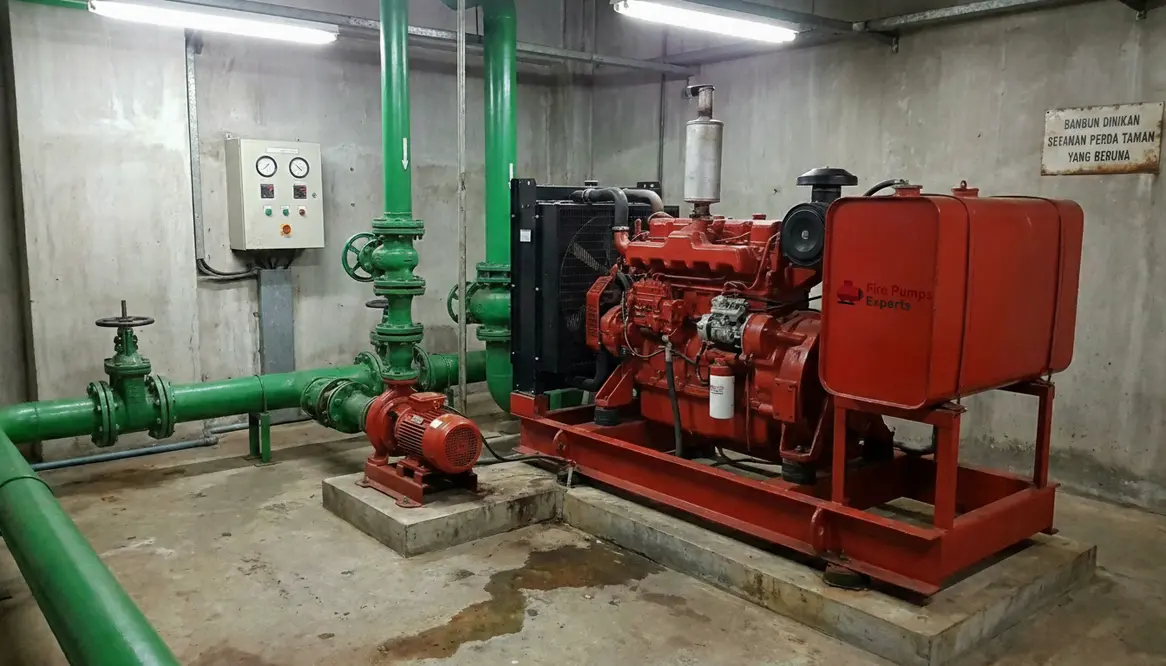
When I look at fire protection in an Indonesia industrial setting, I do not see a box to tick. I see a system that has to work fast, work hard, and not panic under pressure. That is the whole job. Fire pumps give industrial facilities the water flow and pressure needed to keep sprinklers, hydrants, and hose systems alive when a fire starts. In factories, warehouses, power plants, and major commercial buildings, that kind of backup is not optional. It is the quiet hero in the corner, doing the heavy lifting while everyone else hopes the alarm stays boring.
In this guide, I will walk through the key requirements, the parts that matter most, and the practical steps I use to check whether a facility is ready. I will keep it clear, direct, and useful, because nobody needs a fire safety speech that sounds like a sleep aid.
Fire Pump Basics for Industrial Sites
A fire pump boosts water pressure when the normal supply cannot meet demand. In industrial facilities, that matters because the system often protects large floor areas, tall structures, or high hazard zones. As a result, the pump must deliver steady flow even when several outlets open at once.
I usually break the system into three main parts:
- Main fire pump for full demand during an alarm
- Jockey pump for small pressure drops and system balance
- Backup pump such as diesel or electric standby units for reliability
Also, the pump must match the risk level of the site. A small storage building and a chemical plant do not play in the same league. One is a mild headache. The other is a full season finale.
Indonesia Industrial Fire Pump Standards You Need to Meet
In Indonesia, industrial fire pump design usually follows local codes and recognized fire protection standards used for commercial and industrial facilities. I always advise checking the latest local rules, insurer demands, and system design standards before final selection. That matters because compliance is not just paperwork. It shapes the pump size, power source, test setup, and control logic.
Key points I focus on include:
- Flow and pressure rating must support the full fire protection demand
- Reliable water source must supply the pump without interruption
- Automatic start must trigger when pressure drops
- Independent power must keep the system working during electrical loss
- Clear test arrangement must allow routine flow and performance checks
Furthermore, I look for proper room layout. The pump room should stay dry, accessible, ventilated, and safe from damage. If the room feels like a storage closet for old chairs and regret, it is not ready.
How I Check Pump Sizing and Water Supply
Pump sizing starts with the hazard, not the pump catalog. I first review the building use, fire load, layout, and protection method. Then I calculate how much water the system needs at the required pressure. After that, I compare the result with the site’s real water supply.
Here is the simple rule: if the pump can outwork the supply, the system fails. So I check the tank capacity, suction condition, pipe losses, and available municipal or stored water source. In many Indonesia industrial projects, stored water from tanks becomes the safer choice because the supply stays under control.
Simple sizing checklist
- Find the highest demand point in the system
- Measure friction loss in pipes and fittings
- Confirm the pump can hold pressure at peak flow
- Verify the water tank can support the expected discharge time
Also, I never ignore future expansion. Buildings grow, processes change, and a “small upgrade” can turn into a very large headache. So I size with a margin that still fits the standard and the site risk.
Core Design Requirements At a Glance
Design Item
Pump flow, pressure, power source, and water supply must all match the protection need.
Design Item
Automatic start controls must detect pressure loss and start the pump without delay.
Design Item
The pump room must stay easy to reach, well lit, and protected from heat and flooding.
Why It Matters
If one item fails, the whole fire system may lose strength when it counts most.
Why It Matters
Fire does not wait for human approval. It never has, and I doubt it will start now.
Why It Matters
A strong pump in a weak room is like Batman with no utility belt. The image sounds cool, but the mission gets awkward.
Testing, Inspection, and Maintenance That Keep the System Ready
I always say a fire pump only proves its value when it runs under test. That is why regular inspection matters. For industrial and major property buildings, I check suction pressure, discharge pressure, controller function, engine condition, battery health, and valve position. I also confirm that alarms and signals reach the monitoring team.
Routine maintenance checklist
- Weekly visual checks for leaks, vibration, and unusual noise
- Monthly start tests for automatic operation
- Flow testing to confirm real performance
- Fuel and battery checks for backup pumps
- Annual review of wear, corrosion, and control settings
Moreover, records matter. A clean log shows a pattern, and a pattern tells me whether the system stays healthy or drifts into trouble. In fire protection, hope is not a maintenance plan. Documentation is.
Planning Indonesia Industrial Fire Protection Upgrades
For any Indonesia industrial facility, upgrades to fire pumps should link directly to changes in process, storage, or building layout. New machinery, extra fuel storage, or taller racking can all increase the required fire flow, even if the original design looked solid on paper.
Before adding more sprinklers or hydrants, I verify that the fire pump, suction supply, and power system can carry the extra demand. If they cannot, the upgrade starts at the pump room, not at the ceiling pipes.
If export requirements or insurer standards apply, I also compare local rules to international guidance. A well-documented design, matching the real hazard, makes it easier to satisfy both Indonesia industrial regulations and external stakeholders who care about continuity of operations.
FAQ: Quick Answers for Industrial Fire Pump Planning
Conclusion
If I want a fire protection system to protect a major facility, I start with the pump and I treat it like a mission critical asset. The right design, correct sizing, steady water supply, and regular testing all work together. So if you manage an industrial site or large commercial property in Indonesia, now is the time to review your pump system, close the gaps, and keep your facility ready before trouble knocks on the door.
For deeper technical references and tools on fire pumps and related systems that can support Indonesia industrial projects, one starting point is https://firepumps.org, along with current local regulations and insurer guidelines.