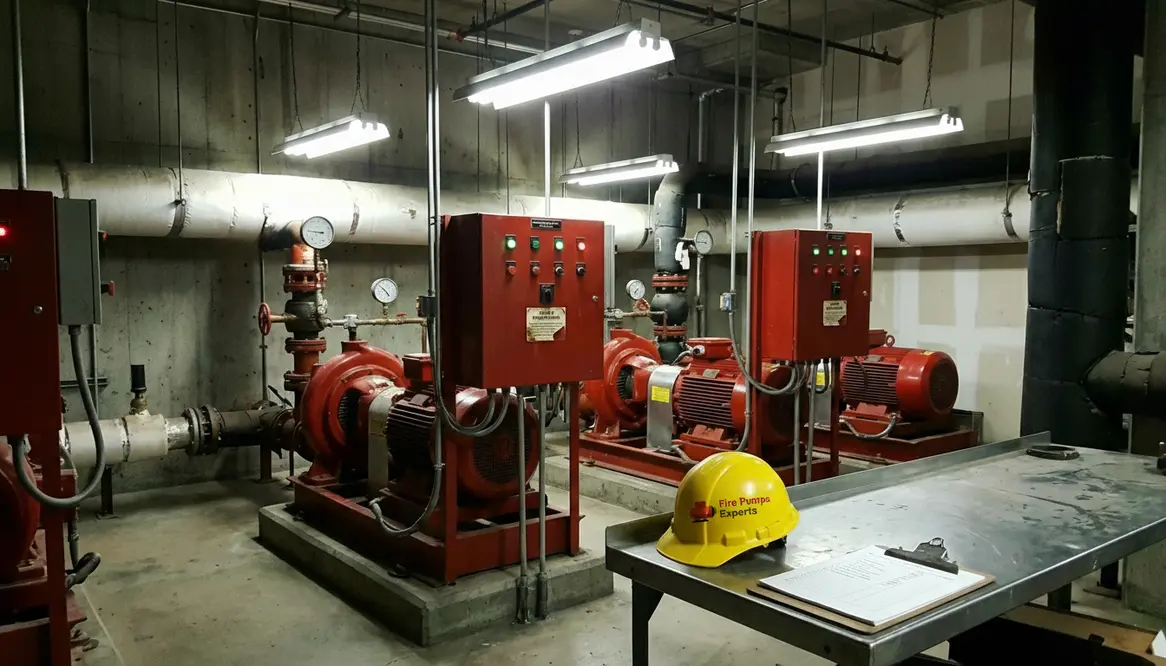
Insurer Fire Pump Requirements for Las Vegas Hotels
I have walked through enough hotel basements in Las Vegas to know one truth. Behind every polished lobby and rooftop pool sits a quiet system that never gets applause. The fire pump. And right at the heart of it all are insurer fire pump requirements. These standards are not just paperwork. They shape how systems are designed, tested, and trusted. In a city that never sleeps, safety systems cannot afford a day off either. So I approach every project with those requirements in mind, knowing they guide performance, compliance, and peace of mind all at once.
Fire Pump Solutions Built for Las Vegas Hospitality
Las Vegas hotels and resorts operate on a different scale. We are not talking about a quiet roadside inn. We are talking about high rise towers, sprawling casinos, and entertainment complexes that feel like small cities. Because of that, I design fire pump solutions that match both size and complexity.
First, I account for vertical demand. Water has to reach upper floors fast and with consistent pressure. Then, I consider occupancy load. Thousands of guests moving through a building changes how systems respond in an emergency. Therefore, pump sizing, redundancy, and control systems must all work together.
And yes, sometimes I joke that these systems are like the Avengers. Each part has a role, but if one fails, things get messy fast. Fortunately, when built correctly, they work in perfect sync.
How Do I Meet Insurer Fire Pump Requirements in Large Resorts?
I start by aligning design with insurer driven standards and local codes at the same time. While that sounds simple, it rarely is. Insurers often require higher reliability, stricter testing intervals, and detailed documentation.
So I focus on three key areas:
System reliability
System reliability is non negotiable. I include backup power sources, redundant pumps, and fail safe controllers.
Performance testing
Performance testing happens regularly. I make sure systems are tested under real load conditions, not just theoretical ones.
Documentation and reporting
Documentation and reporting stay clean and consistent. Inspectors and insurers want clarity, not guesswork.
Because of this approach, properties stay compliant and avoid costly shutdowns or penalties. More importantly, they stay protected.
Designing for Scale Without Losing Precision
Large properties demand big systems. However, bigger does not mean careless. I fine tune every component so the system performs exactly as expected.
For example, I carefully select pump types based on building layout. Split case pumps often work well for large volume needs, while vertical turbines handle unique water supply conditions. Then, I match controllers that allow smooth operation and clear monitoring.
Meanwhile, I keep energy efficiency in mind. Hotels run around the clock, so inefficient systems quietly drain resources. A well designed fire pump system balances readiness with operational cost.
It is a bit like tuning a high performance car. You want power, but you also want control. Otherwise, things get exciting in all the wrong ways.
Where Compliance Meets Real World Operation
Meeting standards on paper is one thing. Keeping systems ready every day is another. That is why I emphasize ongoing inspection and maintenance.
In Las Vegas, environmental factors play a role. Heat, dust, and constant usage can wear down equipment faster than expected. Therefore, I set maintenance schedules that reflect real conditions, not just generic timelines.
What I focus on:
- Routine flow testing under load
- Controller diagnostics and alerts
- Valve integrity and alignment
- Backup power verification
What this prevents:
- Unexpected system failure
- Insurance compliance issues
- Operational downtime
- Costly emergency repairs
As a result, systems stay ready, and property managers sleep a little easier. And in this city, sleep is already in short supply.
Integrating Fire Pumps with Modern Building Systems
Today’s resorts rely on smart building technology. So I make sure fire pump systems integrate smoothly with those platforms. This includes real time monitoring, automated alerts, and remote diagnostics.
Consequently, facility teams can spot issues before they become problems. A pressure drop or controller fault does not go unnoticed. Instead, it triggers immediate action.
I also coordinate with other life safety systems. Fire alarms, sprinklers, and emergency power all need to communicate effectively. When they do, response times improve and risk drops significantly.
Think of it like a well rehearsed orchestra. Every instrument matters, but timing is everything.
Why Las Vegas Properties Require Specialized Expertise
Not every contractor understands the demands of large scale hospitality environments. I have seen systems that technically meet code but fall short in real world conditions. That gap can be dangerous.
So I bring a focused approach tailored to commercial and industrial scale properties. I consider guest safety, operational continuity, and insurer expectations all at once. Because in Las Vegas, even a small disruption can ripple across an entire property.
Additionally, I stay updated on evolving insurer fire pump requirements and related standards. These guidelines change, and staying ahead keeps properties protected and compliant.
It is not glamorous work. No one puts a fire pump room on Instagram. But when everything works as it should, that silence is the real success.
For a deeper breakdown of NFPA 20 driven design details that often sit behind insurer fire pump requirements, I often point teams to resources like this overview of how NFPA 20 regulates fire pump systems. It shows how code language turns into practical decisions about suction, drivers, and performance.
FAQ: Fire Pump Solutions for Hotels and Resorts
Insurer fire pump requirements show up in day to day decisions, not just in policy binders. These quick answers cover what hotel and resort teams ask most often.
Keep Your Property Ready at All Times
If you manage or operate a hotel or resort in Las Vegas, now is the time to take a closer look at your fire pump system. I help properties align with insurer expectations, improve system reliability, and reduce risk without cutting corners. Insurer fire pump requirements do not exist to slow projects down. They exist to make sure that, in the worst moment your building ever faces, water moves exactly where it needs to go.
Reach out today, and let’s make sure your system is not just compliant, but truly ready when it matters most.