IS 12469 Fire Pump Compliance Guide for Facilities
When I talk about IS 12469 compliance, I am talking about one of those safety topics that may not sparkle like a new office tower, yet it quietly stands between order and chaos. For commercial and industrial properties, fire pump compliance is not just a box to tick. It is a system that protects people, assets, and business continuity when pressure drops and seconds start acting like they have somewhere else to be. In this guide, I will walk through the core points of IS 12469 fire pump compliance in a clear, practical way, so you can see what matters, why it matters, and how to stay ready without losing your mind.
What IS 12469 Covers in a Real Building
I like to think of IS 12469 as the rulebook that keeps a fire pump from becoming a very expensive paperweight. It sets the expectations for design, installation, testing, operation, and maintenance of fire pump systems. In a commercial or industrial setting, that matters a lot because these buildings often hold larger floor areas, higher fire loads, and more complex water demand.
At its core, the standard helps confirm that the pump will deliver the right water flow and pressure when the fire system needs it most. Also, it supports better coordination between the pump, the water source, the controller, the piping, and the sprinkler or hydrant network. If one part slips, the whole system can struggle. That is not a fun surprise, especially when the only drama you want in a facility is a solid quarterly report.
How I Check Fire Pump Design and Installation
Here is where the real work begins. I always start with the design because a strong system starts long before the first bolt tightens. The pump must match the building demand, water source, and fire protection layout. Then, I look at whether the installation supports clean operation and easy access for service teams.
In practice, I check these key points:
- Pump size matches the required system demand
- Water supply can support the pump under fire conditions
- Controller placement allows safe access and clear use
- Suction and discharge piping support smooth flow
- Valves, gauges, and fittings are installed correctly
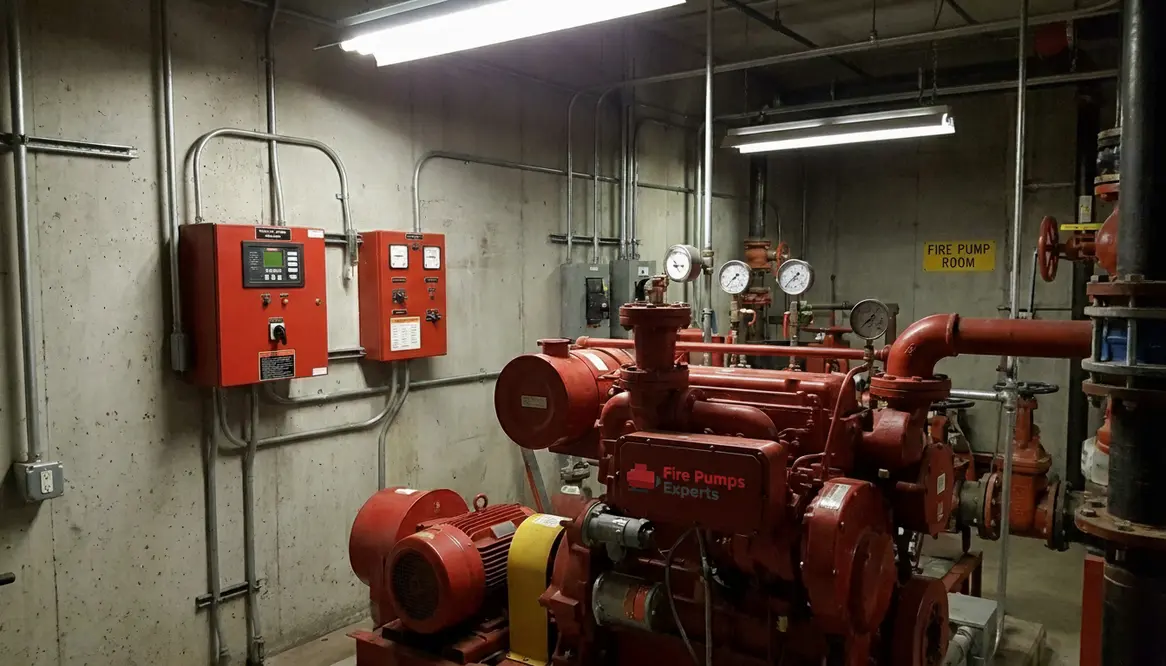
Next, I verify the room conditions. Fire pump rooms need proper ventilation, drainage, lighting, and protection from flooding or heat buildup. A pump room should feel ready for work, not like a backstage closet from a low budget horror movie.
Design checks that support IS 12469 compliance
To keep IS 12469 compliance real and not theoretical, I confirm that the selected fire pump, its driver, and its controller are all sized and arranged to deliver the required duty point. That means checking the pump curve against the hydraulic demand, reviewing suction conditions, and confirming that the installation follows the manufacturer recommendations, not just what looked convenient on the drawing board.
Daily Checks and Testing That Keep Systems Ready
Once the system is installed, the habit of testing becomes the real hero. A fire pump that sits idle for months without checks is like a heavyweight champion who only trains on pizza and good intentions. It may look fine, but nobody wants to find out during an emergency that it has forgotten how to perform.
I recommend a steady testing plan that includes visual checks, controller review, pressure monitoring, and scheduled pump runs. During these checks, I look for leaks, odd vibration, unusual noise, weak pressure, and any sign that the pump is not responding as expected. Also, I confirm that alarms and power sources work as they should.
Daily and Weekly Focus
- Check gauges, valves, and controller status
- Look for leaks, corrosion, or blocked access
- Confirm power and fuel readiness where needed
Monthly and Routine Focus
- Run the pump under test conditions
- Record pressure and flow performance
- Review service notes and correct small faults fast
Because these buildings often run nonstop, small problems can grow quietly. Therefore, routine testing gives me early warning before a minor issue becomes a costly outage and helps sustain IS 12469 compliance through real system performance, not just a signature on a form.
What I Look For During Maintenance and Records Review
Maintenance is where compliance either holds steady or starts to drift. I always review the records because paperwork, while not glamorous, tells the truth. It shows whether the pump has been tested on time, serviced properly, and repaired when needed.
During maintenance, I pay close attention to pump seals, bearings, coupling alignment, motor condition, controller health, and any sign of wear in the piping or fittings. I also check whether the team logged every inspection clearly. Good records help prove compliance, support audits, and guide future repairs. In short, they save time and reduce confusion. And let us be honest, confusion is already overstaffed in most facilities.
If the site uses a trusted industry reference, I also advise teams to review commercial fire pump compliance guidance alongside the standard so they can align their maintenance plan with real world facility needs. That kind of support helps teams stay focused on major properties, not small side tasks that do not belong in this conversation.
How I Handle Common Compliance Gaps
Even the best facilities run into gaps. The good news is that most of them are fixable if I catch them early. The most common issues usually involve weak testing habits, poor room conditions, missing records, or mismatched pump capacity.
When I find a gap, I handle it in this order: first, I identify the risk; second, I correct the fault; third, I verify the fix with a follow up check. That method keeps the process calm and clear. It also helps avoid the classic “we thought someone else handled it” excuse, which has never saved a system and never will.
That same simple loop strengthens IS 12469 compliance over time, because each fixed issue becomes one less surprise waiting quietly in the pump room.
Keeping documentation aligned with IS 12469 compliance
A lot of people think compliance lives in the pump, but it actually lives in the combination of a healthy system and clear records. Test logs, service reports, and repair notes form the paper trail that shows how closely your operation follows IS 12469 compliance over months and years, not just on inspection day.
FAQ
Final Thoughts and Next Step
If I want a fire pump system to protect a commercial or industrial property, I do not wait for trouble to introduce itself. I follow the standard, inspect the system, test it often, and keep clear records. That is how IS 12469 compliance becomes more than a document on a shelf. It becomes real protection. If you manage a major property, now is the time to review your fire pump setup, close the gaps, and build a safer, stronger operation today.