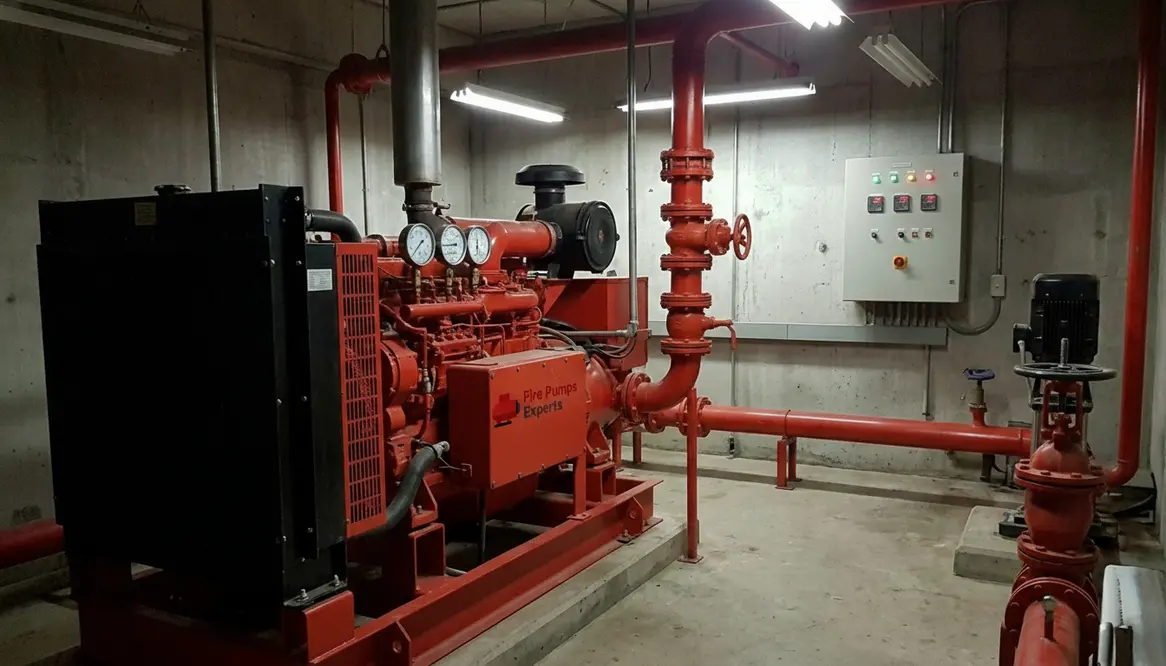
IS 12469 Fire Pump Selection Guide for Industry
When I look at fire protection for large buildings, I do not start with the pump. I start with the risk. That is where IS 12469 selection comes into play, because the standard helps me match the right pump set to the real needs of a commercial or industrial site. And yes, that sounds serious, because it is. A weak pump in a big facility is like bringing a butter knife to a dragon fight. Not ideal. In this guide, I will walk through how I choose the right pump, what the standard expects, and what matters most when the goal is steady water flow under pressure.
What I check before choosing a fire pump
I always begin with the building profile. A warehouse, a high rise office block, a manufacturing plant, and a data center each demand different fire pump support. First, I study the water demand from the sprinkler and hydrant system. Then I check the water source, available pressure, and the distance between the source and the system. After that, I look at occupancy, hazard level, and the time the pump must run.
Here is the part many people skip: I also check future growth. If a site plans to expand, I do not want a pump that barely meets today’s load. I want one that can keep pace when the facility grows. That is how I avoid the old “we should have known better” meeting two years later.
How I match the pump to the site demand
The right fire pump must deliver enough flow and head, while also fitting the site’s water source. In practical terms, I compare three things:
- Flow rate: how much water the system needs at once
- Pressure head: how much force the pump must create
- Supply condition: whether the source is stable, weak, or variable
I also consider pump type. A centrifugal pump often suits many commercial and industrial systems, but the final choice depends on the hydraulic need. If the water source has low pressure, the pump must make up the gap without straining. If the site has high demand, I look for a setup that can run reliably for long periods.
For reference and compliance support, I often recommend reviewing fire pump selection for commercial and industrial facilities when planning the overall system. That helps keep the focus on major property buildings, where performance matters most.
IS 12469 fire pump selection criteria explained
The standard gives me a clear path, and that helps keep the design honest. I do not treat it like a buffet where I pick only the nice parts. I use it as a full guide. It helps me focus on pump capacity, standby needs, driver choice, control arrangement, and dependable water supply.
For commercial and industrial sites, I pay close attention to redundancy. If one pump fails, the system still needs backup support. That is why I look at electric pumps, diesel pumps, and jockey pumps as part of one working set, not separate toys on a shelf. The jockey pump keeps pressure steady, while the main pump steps in when demand rises. The diesel driver also matters when power supply is not something I would trust with my lunch, let alone a fire system.
IS 12469 selection also reinforces the need to test, document, and maintain the pump arrangement throughout its life. The standard is not only about first installation. It supports a complete life cycle approach where design, commissioning, and ongoing operation all line up with the hazard profile of the building.
Fast visual guide for IS 12469 selection
Site Factor
- Water source stability
- Peak system demand
- Required run time
- Power backup availability
What I look for
- Reliable and clean supply
- Enough flow with spare capacity
- Long duty support under fire load
- Electric plus diesel protection where needed
This simple view helps me narrow the choice fast. Then I move into detailed pump data, because the fine print is where good systems become strong systems. When IS 12469 selection is applied with this kind of structured thinking, the design moves from guesswork to repeatable logic you can defend in any review meeting.
What matters most in pump room design
A strong pump is only part of the story. The pump room must support safe, easy, and dependable operation. I check the room size, ventilation, drainage, access path, and maintenance space. If a technician cannot reach the unit quickly, then even a top pump turns into a drama queen.
I also watch for proper control placement and clear labeling. Since fire systems must work fast, the room should let staff test, inspect, and service the equipment without confusion. In industrial sites, dust, heat, and vibration can damage systems over time. So I plan for those risks early. That is cheaper than repair work after a crisis, and far less exciting in the bad way.
Good pump rooms tell a clear story: every valve is labeled, every path is open, and every test point is obvious. That clarity is where IS 12469 selection meets real-world usability, turning a technical standard into a space that operators trust when pressure is high and time is short.
How I avoid common fire pump mistakes
I see the same mistakes over and over. Some teams choose a pump only by price. Others oversize it without checking the real demand. A few ignore suction conditions, which can cause poor performance and system stress. Also, some projects forget that a pump must work with the full fire protection layout, not just one part of it.
So I keep my process simple. I verify water demand, confirm the source, test the pressure, and review the site layout. Then I compare the pump against the standard and the building’s risk level. This method keeps the system practical, compliant, and ready for real use. No heroics required, just solid planning.
When IS 12469 selection is treated as a checklist rather than a hurdle, those common missteps shrink fast. The design team gets a shared language, the owner gets a documented basis for decisions, and the fire pump ends up working with the building instead of wrestling against it.
FAQ
Conclusion
If you want a fire pump that truly fits your site, I suggest starting with the risk, then working through the water supply, demand, and control needs with care. A good selection protects people, property, and operations without guesswork. So, if your commercial or industrial facility needs a dependable fire pump plan, take the next step now. Review your site, apply the standard, and choose a system built for real protection, not wishful thinking.
When IS 12469 selection guides that process, the end result is not just another pump in a room. It is a matched, documented, and tested part of the building’s safety backbone, ready to perform on the day everyone hopes never comes.