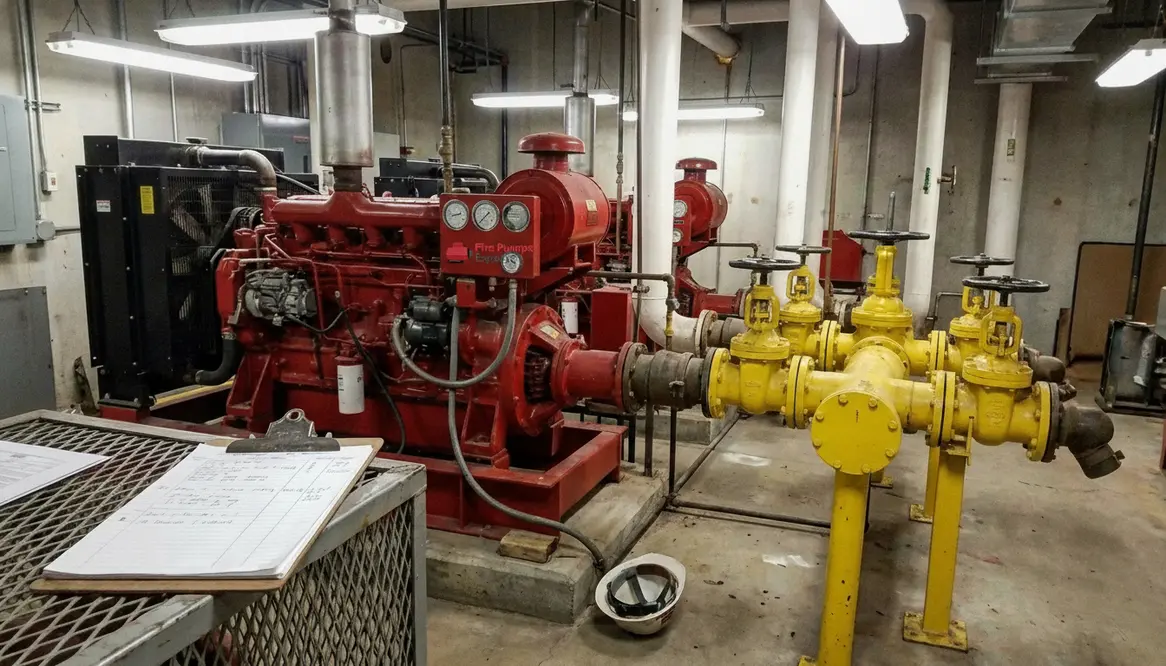
IS Fire Pump Requirements for Hydrant Systems
How to make hydrant systems deliver real water, real pressure, and real performance when it counts.
IS Fire Pump Requirements for Hydrant Systems may sound like one of those dry code topics that shows up only when a permit reviewer is having a very serious day. Still, I have learned that this subject matters a great deal for commercial and industrial facilities, as well as major property buildings. When a hydrant system needs real water pressure and flow, an IS hydrant setup can make the difference between a system that performs and one that just looks impressive on paper. So, I am going to break this down in plain language, with the important details, the code logic, and a few human moments along the way. After all, fire protection should be reliable, not mysterious.
Quick takeaways
- Pumps step in when the water supply cannot keep up.
- Pressure, flow, and the water source decide everything.
- IS hydrant systems only shine when design and installation are both right.
- Maintenance keeps the whole show from falling apart on opening night.
What fire pump requirements usually apply to hydrant systems?
I start with the basic rule: a fire pump supports the hydrant system when the available water supply cannot meet the needed pressure and flow on its own. In commercial and industrial properties, that gap is common. Large sites, long pipe runs, high elevations, and heavy demand can all strain a water supply. Therefore, the pump must boost the system so hydrants deliver enough water during an emergency.
Pressure, flow, and the water source
In most cases, I look at three things first: required flow, required pressure, and the water source. If the site has a city supply, I compare the static pressure, residual pressure, and flow test results. If the site uses a tank or reservoir, I check the stored water volume and refill plan. Either way, the goal stays the same: the hydrant system must work under real fire conditions, not just on a nice day with coffee and optimism.
Why “room to spare” matters
Also, the pump must match the system demand with room to spare. That means I do not size it by guesswork or vibes. I use the approved design standard, the local fire code, and the site layout. For an IS hydrant system, the pump must support the most demanding points in the network while staying within safe operating limits.
How I size a fire pump for a hydrant network
When I size a pump, I follow a simple order:
- I confirm the total hydrant demand for the protected area.
- I calculate friction loss through pipes, valves, bends, and fittings.
- I add elevation loss if the hydrants sit above the pump.
- I check the lowest acceptable pressure at the most remote hydrant.
- I verify the water source can feed the pump without trouble.
Because hydrant systems often serve large sites, the numbers can rise fast. A warehouse complex, refinery, logistics yard, or high rise support area may need much more pressure than a small building. So, I never treat the pump as a stand alone hero. It works as part of the whole system, like the crew in a heist movie where every person has a job and one mistake ruins the plan.
In many projects, the pump curve matters just as much as the pump size. I want the pump to deliver the needed pressure at the actual flow point. If the curve sits too low, the hydrants underperform. If it sits too high, the system can face stress, noise, and unnecessary wear. Balance matters.
What the code and standards expect in commercial sites
For commercial and industrial properties, fire pump design usually follows recognized standards, local fire authority rules, and the project’s approved fire strategy. I always check the adopted fire code first, because local rules can change the details. Still, the main expectations stay steady. The pump must support the hydrant system, start automatically when pressure drops, and remain dependable during fire events.
Pressure
The system must keep enough pressure at the hydrant outlet for fire crews to use it effectively.
Flow
The pump must supply the required gallons per minute or liters per second, depending on the design basis.
Reliability
The pump room, power source, and controls must stay protected and accessible.
Testing
The system must allow routine testing so I can confirm performance before an emergency turns into a headline.
In addition, I look at suction conditions carefully. Poor suction can damage the pump and cut performance. That is why I pay close attention to water source arrangement, pipe size, and suction loss. A strong pump with a weak supply is like giving Batman a scooter. The costume may still look right, but the mission suffers.
Why installation details matter more than people think
I have seen good pump selections fail because of poor installation. That is the tricky part. The equipment may meet the spec, but the build does not respect the system. For example, if the pump room lacks proper ventilation, maintenance access, or electrical reliability, the hydrant system may not function as intended. Likewise, if the suction line has bad layout or the test header is not easy to use, inspections become painful and errors more likely.
Installation also affects service life. Vibration control, alignment, pipe support, and controller placement all matter. So does the choice between electric and diesel pump setups. Electric units often suit sites with strong power reliability, while diesel units help where backup power risk is higher. However, the final choice should fit the site, the risk profile, and the approval path.
For reference, I often review trusted technical material such as commercial fire pump guidance for hydrant systems when planning projects for large buildings and industrial facilities. It helps keep the conversation focused on real world performance, not just paperwork.
How I keep an IS hydrant system ready for real use
Once the system is installed, the work does not end. In fact, that is when the habit of good maintenance becomes the real star of the show. I check the pump weekly or monthly, depending on the site plan and local rules. I also confirm pressure settings, run tests, and inspect the valves, controllers, and water source. If the system has a diesel unit, I watch fuel quality, battery condition, and cooling needs.
Regular testing matters because hydrant systems serve critical property assets. A failure can affect production, storage, life safety, and business continuity all at once. Therefore, I treat each test like a small rehearsal before opening night. Nobody wants the system to discover stage fright during an actual fire.
An IS hydrant layout that looks clean in drawings but never gets tested properly is a quiet problem waiting for a loud day. The whole point of those fire pump requirements is to turn that quiet problem into a reliable asset long before the first hose line opens.
FAQ
Conclusion
I always tell property teams that fire pump requirements for hydrant systems deserve careful planning, not last minute attention. If you manage a commercial, industrial, or major property site, I recommend checking your water supply, reviewing your hydrant demand, and confirming your pump design before an emergency forces the issue. If you want a system that performs with confidence, speak with a qualified fire protection specialist and review your current setup now. That small step can protect your property, your people, and your peace of mind.