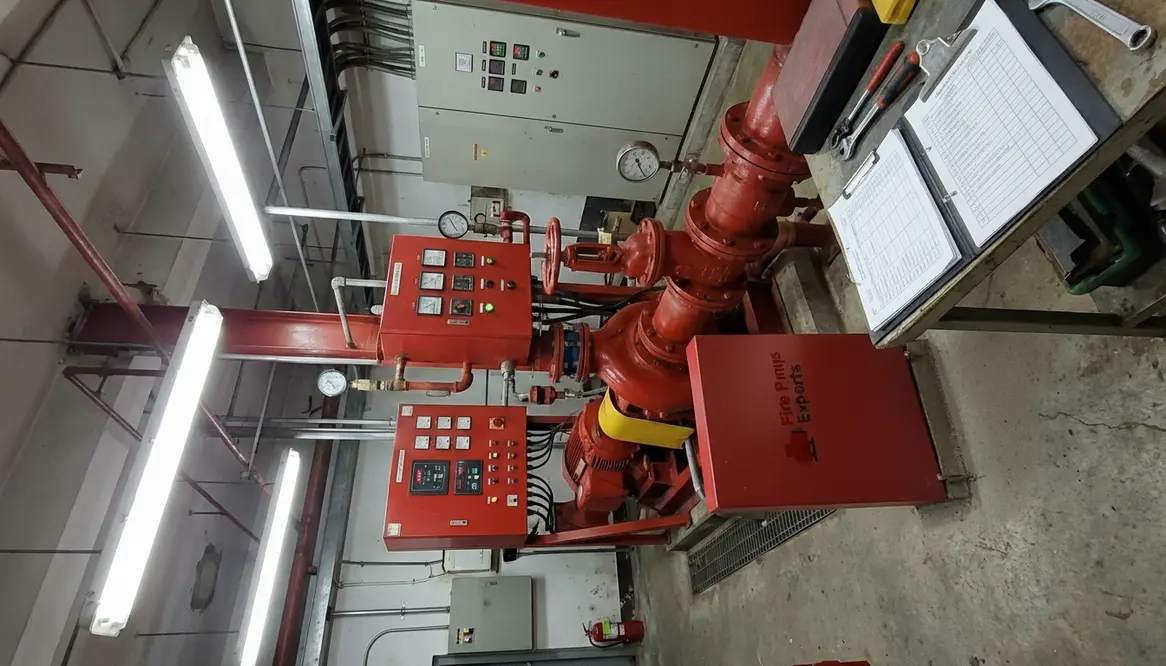
IS 12469 Fire Pump Requirements Explained
I have seen plenty of fire safety topics try to sound exciting and fail like a reboot nobody asked for. But IS 12469 requirements matter, especially for commercial and industrial facilities and major property buildings. This standard guides how fire pumps should perform, how they should be installed, and how they should support a building’s fire protection plan. In plain terms, it helps ensure water reaches the fire system with the force and reliability needed when every second counts.
In this article, I will break down the standard in simple language, while still keeping the serious part front and center. After all, fire pumps do not get applause when they work, but everyone notices when they do not.
Why This Standard Deserves Attention
IS 12469 sits quietly in the background of most serious fire protection designs. It links the very physical world of pumps, pipes, and valves with the reality of occupied buildings and fast-moving emergencies. Ignore it, and you are basically betting your property on luck and wishful thinking.
What IS 12469 Covers In Real Use
IS 12469 requirements focus on the design, selection, installation, testing, and upkeep of fire pumps used in larger buildings and facilities. These pumps support sprinkler systems, hydrants, and other fire protection equipment. In practice, the standard helps make sure the pump can deliver the needed pressure and flow under emergency conditions.
First, the standard looks at the pump’s role in the full fire protection setup. Then it checks whether the pump matches the hazard level of the property. A small office block and a large warehouse do not need the same setup, just like a bicycle and a freight train do not share the same engine. That part is not exactly rocket science, but it is where many mistakes begin.
How It Fits Into The Bigger Fire Protection Picture
The standard expects the fire pump to be treated as one link in a chain that includes water supply, storage tanks, distribution piping, control valves, and end-use devices like sprinklers or hydrants. If any part of that chain is weak, the strongest pump on paper still fails in practice.
Key Roles Of A Compliant Fire Pump
- Deliver sufficient pressure to the most demanding point in the system
- Maintain stable flow even as multiple hydrants or sprinklers open
- Start automatically when system pressure falls below a set level
- Operate reliably on the primary or backup power source
- Keep running long enough to support a realistic firefighting operation
What Happens When It Goes Wrong
Undersized pumps, badly arranged suction lines, or weak power supplies do not just show up as minor defects. They appear when hoses are already stretched, alarms are sounding, and everyone is looking for water that simply is not there in the needed quantity.
Core Fire Pump Design And Installation Rules
When I read through the requirements, I see a strong focus on reliability. The pump must sit in a proper location, with enough space for service and safe access. It also needs a strong power supply and the right piping arrangement. If the system cannot stay ready, then the pump is just expensive metal with a hero complex.
The standard also expects the pump room to support safe operation. That means proper ventilation, drainage, lighting, and room for inspection. In addition, the installation must reduce the chance of vibration, suction problems, and mechanical stress. These details may seem small, yet they decide whether the system performs well when smoke fills the building and everyone starts speaking in shorter sentences.
Dual Column View Of Key IS 12469 Requirements
System Area
Pump selection
Power source
Location
Piping
Testing
Main Requirement
Match flow and pressure to the building demand
Provide dependable electrical or diesel backup
Place pump in an accessible and protected room
Keep suction and discharge lines sized and arranged correctly
Allow routine checks, flow tests, and maintenance access
This kind of structure matters because a fire pump is only as good as the system around it. So, I always treat the pump as one part of a larger chain, not a star performer waiting for a spotlight.
How I Interpret Performance, Testing, And Maintenance
IS 12469 requirements do not stop at installation. They also push regular testing and maintenance, because even a top tier system can drift out of shape over time. Valves stick, seals wear, power systems age, and instruments lose accuracy. Therefore, routine checks are not optional busywork. They are the reason the system stays trustworthy.
Testing usually confirms that the pump starts correctly, builds pressure, and delivers the expected flow. It also checks the backup source, control panel, and related parts. Furthermore, maintenance should include inspection logs, repair records, and quick action on faults. If a fire pump only gets attention when people remember it during a site audit, then the building has already invited trouble to the party.
Keeping The System Honest Over Time
- Schedule routine start tests and full flow tests
- Verify that sensors, gauges, and alarms still tell the truth
- Check fuel, batteries, and power feeds before they age into problems
- Document every test and repair, not just the major failures
- Review performance trends instead of treating each test as a one-off event
Who Needs To Pay Attention To This Standard
This standard matters most for commercial and industrial facilities and major property buildings. I am talking about factories, warehouses, malls, towers, hospitals, and large complexes where fire risk and property loss can rise fast. In these places, a weak pump system can create a serious chain reaction.
People Who Cannot Ignore IS 12469
- Property owners responsible for life safety and asset protection
- Facility managers who live with the system day to day
- Design consultants who size and specify fire pumps
- Contractors who install and commission the systems
- Fire safety teams and auditors who verify ongoing compliance
Paper Design Vs. Real-World Use
Property owners, facility managers, consultants, and fire safety teams should all understand the standard. Moreover, they should check that the fire pump design fits the actual building use, not just the paperwork version of it. A nice drawing does not stop a fire. The real system does.
Where To Find Practical Support For Compliance
If I want a clearer path through the details, I look for guidance that stays focused on industrial and commercial fire protection. For a useful starting point, I would recommend reviewing this IS 12469 fire pump requirements guide for a practical overview of the standard and how it applies to major buildings. It helps connect the rulebook to real site needs without turning the subject into a maze.
That said, compliance is not just about reading a standard. It is about matching the right pump, the right setup, and the right maintenance plan to the building itself. And yes, that means doing the unglamorous work before the emergency shows up like an uninvited sequel.
Quick Answers To Common Questions
Conclusion
If you manage a large building or industrial site, I urge you to take IS 12469 requirements seriously and treat the fire pump as a critical safety asset, not a box to check. Review your design, confirm your testing plan, and verify your maintenance records now, while you still have calm and control. If you want dependable protection and fewer surprises, connect with a fire safety expert and make your system ready before it has to prove itself.