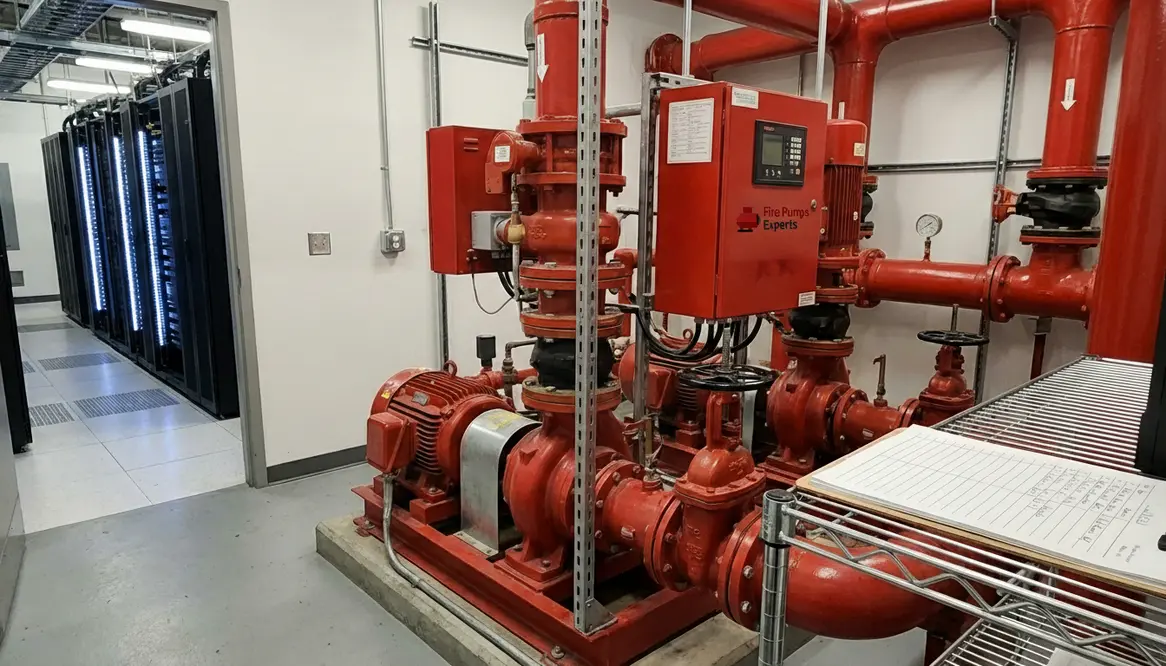
Laboratory Fire Pump Systems for Data Centers
I have spent years around critical infrastructure, and I can tell you this with a calm certainty that comes from experience. Data centers do not tolerate failure. Not even a little. That is exactly why laboratory fire pump systems deserve a place in the conversation from day one. While they may sound like something reserved for research facilities, their precision, reliability, and controlled performance make them surprisingly relevant in high value environments like data centers.
Because when your building holds millions in hardware and even more in data, fire protection is not just another line item. It is the silent guardian in the background. And unlike your favorite superhero, it does not get a sequel if it fails the first time.
Why fire protection in data centers is a different beast
Data centers operate in a world where uptime is king. However, that same dense concentration of servers creates heat, and where there is heat, risk follows closely behind. Electrical fires do not send polite warnings. They spark, spread, and escalate fast.
Because of this, standard fire protection approaches often fall short. I have seen systems designed for office buildings struggle in environments packed with sensitive equipment. Data centers need something more precise, more responsive, and frankly, more dependable.
That is where advanced fire pump solutions come into play. They provide consistent water pressure, even in worst case scenarios. And while that may sound simple, in practice, it is the difference between a contained incident and a full scale disaster that makes headlines for all the wrong reasons.
How reliable fire pump systems protect critical uptime
Let me put it plainly. Fire pump systems are the backbone of a building’s suppression system. Without them, sprinklers are just decorative ceiling accessories. Not exactly what you want in a multimillion dollar facility.
Reliable systems ensure that water flows immediately and at the right pressure. Moreover, they are designed to operate under stress, during power interruptions, and even when demand spikes across the system.
In data centers, timing is everything. A delay of even seconds can allow heat and flames to damage racks, disrupt operations, and trigger cascading failures. Therefore, investing in high performance fire pump infrastructure is not optional. It is foundational.
And yes, it is not as flashy as a new server array. But unlike that shiny hardware, this system might actually save your entire operation one day.
Key features that make modern systems stand out
Consistency under pressure
Modern systems deliver steady flow rates even during peak demand, keeping suppression performance stable when everything else feels far from it.
Redundancy
Backup components ensure operation continues if one element fails, so a single weak link does not turn into a full blown outage in the middle of an emergency.
Smart monitoring
Real time diagnostics allow quick detection of issues before they escalate, turning small anomalies into maintenance tickets instead of incident reports.
Energy efficiency
Advanced designs reduce unnecessary power consumption, which matters when your baseline electrical load already looks like a small city.
Rapid activation
Systems respond immediately when triggered, minimizing spread and keeping incidents from turning into long form postmortems.
Integration capability
They connect seamlessly with building management systems so alarms, controls, and response procedures move in sync instead of tripping over each other.
Because data centers rely heavily on automation, integration is especially valuable. When your fire pump system communicates with alarms and controls, response becomes faster and more coordinated. It is like assembling the Avengers, except every member actually shows up on time.
What happens when fire pump systems fail
I wish I could say failure is rare. However, I have seen enough to know better. When fire pump systems fail, the consequences escalate quickly.
First, water pressure drops. Then suppression systems lose effectiveness. Meanwhile, fire spreads into cable trays, server racks, and structural components. Before long, you are not just dealing with damage. You are dealing with downtime, data loss, and a very uncomfortable conversation with stakeholders.
Additionally, recovery is not instant. Replacing equipment, restoring operations, and rebuilding trust takes time. In some cases, businesses never fully recover.
So while a fire pump system might sit quietly most days, its reliability determines how the story ends when things go wrong.
Are laboratory fire pump systems suitable for data centers
Yes, and in many cases, they are an excellent fit.
These systems are engineered for environments where precision matters. They maintain strict performance standards, which aligns well with the demands of data centers. Furthermore, they are built to handle controlled and high stakes conditions, making them a strong candidate for facilities that cannot afford variability. In that sense, laboratory fire pump systems bring the kind of predictable behavior that uptime driven operations quietly depend on.
However, proper customization is key. Not every system fits every building. Therefore, working with experienced providers who understand commercial and industrial facilities ensures the system matches the unique needs of your operation.
Because at the end of the day, even the best equipment needs the right design behind it. The facilities that treat laboratory fire pump systems as part of a larger, deliberate strategy usually end up with fewer surprises and far more control when the heat is literally on.
Planning for long term resilience and compliance
Fire protection is not a one time decision. It is an ongoing commitment.
Regulations continue to evolve, and data centers must stay compliant with local and national standards. Regular testing, maintenance, and system upgrades keep everything running as intended.
Moreover, resilience planning goes beyond compliance. It involves anticipating future growth, increasing capacity, and ensuring systems scale alongside your infrastructure.
I always recommend thinking ahead. Because upgrading a system during expansion is far easier than retrofitting after a problem appears. And let’s be honest, nobody enjoys emergency upgrades. They tend to come with stress, high costs, and a lot less sleep. Building that roadmap early, especially when you are considering laboratory fire pump systems as part of your protection strategy, keeps you from having to redesign everything under pressure.
FAQ
Conclusion
If you manage or design a data center, now is the time to take fire protection seriously. The right system protects more than equipment. It protects uptime, reputation, and long term success. Partner with experts who understand commercial scale demands and can deliver dependable solutions tailored to your facility. Because when it comes to fire safety, confidence should not be a guess. It should be built into every component from the ground up, especially when you are considering the precision and reliability that laboratory fire pump systems can bring to the table.