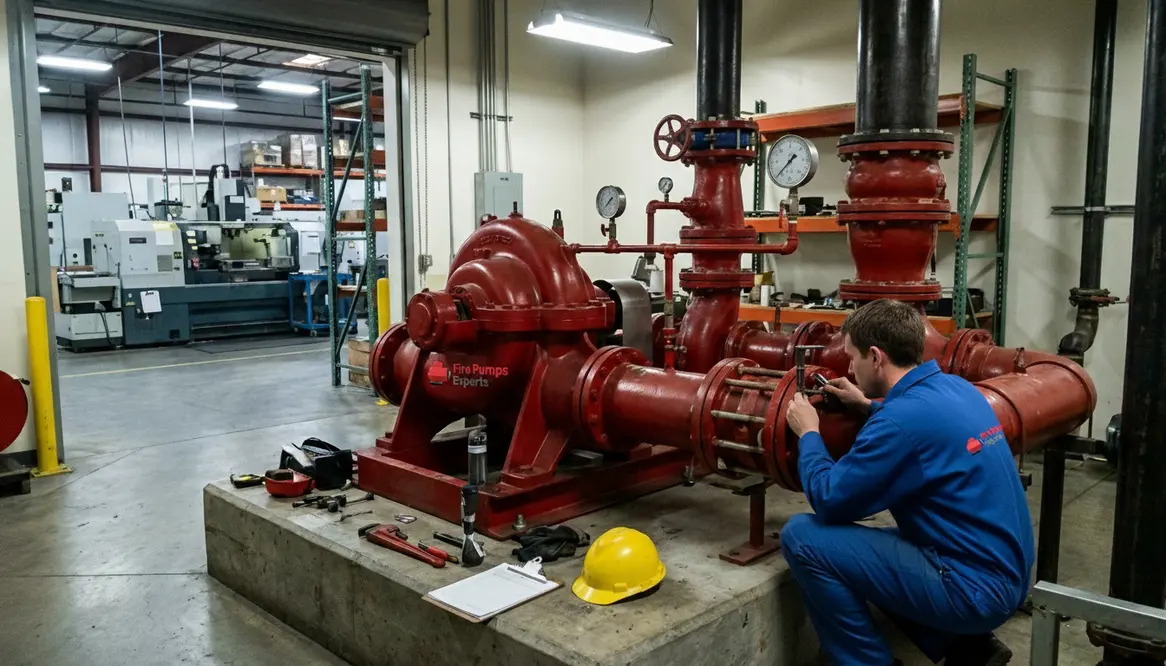
Manufacturing Fire Pump Pomona Guide
I have walked through enough industrial floors in Pomona to know one thing for certain. When things go wrong, they go wrong fast. That is exactly why manufacturing fire pump Pomona solutions are not just another line item on a checklist. They are the quiet guardians standing by when heat, friction, and machinery decide to misbehave. And yes, much like a good bodyguard in a movie, you hope they never have to act. But when they do, you want them overqualified.
So let me take you through this with a steady pace, a clear lens, and maybe a few chuckles along the way. Because fire protection may sound dry, but trust me, it has more plot twists than a season finale.
How do I choose the right fire pump for a manufacturing plant in Pomona?
I always start with the basics. However, basics here do not mean simple. Manufacturing plants vary wildly. One facility may handle metal fabrication, while another deals with chemicals that would make a superhero origin story look tame.
First, I look at hazard classification. This determines how intense a fire could become. Then, I evaluate water supply. City pressure alone rarely cuts it for large industrial operations. Therefore, a properly sized fire pump bridges that gap.
Next comes flow rate and pressure. I match the pump to the building’s fire sprinkler system demand. Too small, and it struggles. Too large, and you waste energy and risk system imbalance. It is a bit like ordering coffee. You want enough to wake you up, not enough to see time travel.
Finally, I consider reliability. Electric pumps are common, but diesel driven pumps provide backup when power fails. And in a fire, power outages tend to RSVP early.
Understanding Pump Types for Industrial Use
Not all pumps are created equal. In fact, choosing the wrong type is like casting the wrong actor in a blockbuster. It just does not land.
Horizontal split case pumps are my go to for large facilities. They handle high flow efficiently and are easy to maintain. Meanwhile, vertical turbine pumps shine when water sources sit below ground, which is common in parts of Pomona.
Then there are end suction pumps. They are compact and cost effective, but I reserve them for smaller industrial buildings where demand is moderate.
Each option comes with tradeoffs. Therefore, I always match the pump type to the facility layout, water source, and long term operational needs. Because replacing a pump later is about as fun as redoing a factory floor during peak production.
Local Compliance and Why It Matters in Pomona
Pomona is not the Wild West when it comes to fire safety. Codes and standards exist for a reason. And ignoring them is not bold. It is expensive.
I follow NFPA 20 standards closely. These outline installation requirements for fire pumps. In addition, local regulations in Pomona may add layers specific to seismic stability and water infrastructure.
Permits, inspections, and testing schedules all play a role. Consequently, I treat compliance as part of the design process, not an afterthought. Because nothing slows down a project faster than failing an inspection right before launch.
Key Components That Make or Break Performance
A pump alone does not save the day. It works as part of a system. And every piece matters.
Controller
It tells the pump when to start. A smart controller reacts fast and keeps things stable.
Jockey pump
This small pump maintains system pressure and prevents unnecessary starts of the main pump.
Power supply
Reliable power ensures the pump runs during emergencies. Backup systems are not optional.
Valves and piping
These guide water where it needs to go. Poor layout can choke performance.
When I evaluate a manufacturing fire pump Pomona setup, I never isolate the pump from these components. They operate as a team. And like any good team, they need coordination.
Planning for Maintenance Without Disrupting Operations
Let me be honest. Maintenance is not glamorous. It does not trend on social media. But it keeps your system alive.
I design systems with access in mind. Pumps need regular testing, lubrication, and inspection. Therefore, I ensure technicians can reach components without shutting down production lines.
Weekly churn tests, monthly inspections, and annual performance testing all play a role. Moreover, digital monitoring tools now allow real time alerts. That means fewer surprises and more control.
Because in manufacturing, downtime costs money. And no one enjoys explaining that a preventable issue caused a halt. That conversation rarely ends with applause.
Cost vs Value in Fire Pump Selection
Everyone asks about cost. And I get it. Budgets matter. However, I always shift the conversation to value.
A cheaper pump might save money upfront. Yet, it could cost more in maintenance, inefficiency, or failure risk. On the other hand, a well selected system lasts longer and performs better under pressure.
I consider lifecycle cost. This includes installation, energy use, maintenance, and potential downtime risks. In the long run, smart investments pay off. Kind of like buying quality boots. They carry you farther without falling apart halfway through the journey.
For a complex industrial operation, a carefully engineered manufacturing fire pump Pomona configuration often ends up being the most economical choice once reliability, insurance considerations, and production continuity are factored in.
FAQ
Below are some of the questions that come up repeatedly when planning a manufacturing fire pump Pomona installation for an active industrial site.
Bringing It All Together
Choosing the right fire pump is not about ticking boxes. It is about building a system that stands ready when everything else feels uncertain. I take a thoughtful approach, balancing performance, compliance, and long term value. If you are planning or upgrading your system in Pomona, now is the time to act. Reach out, ask the right questions, and make sure your facility is protected by more than just good intentions.
For deeper technical resources on industrial fire pumps, performance curves, and code references, you can explore https://firepumps.org and then tailor those insights to the specific realities of manufacturing in Pomona. The goal is simple: when the alarms sound, your system should respond with calm, predictable power rather than improvisation.