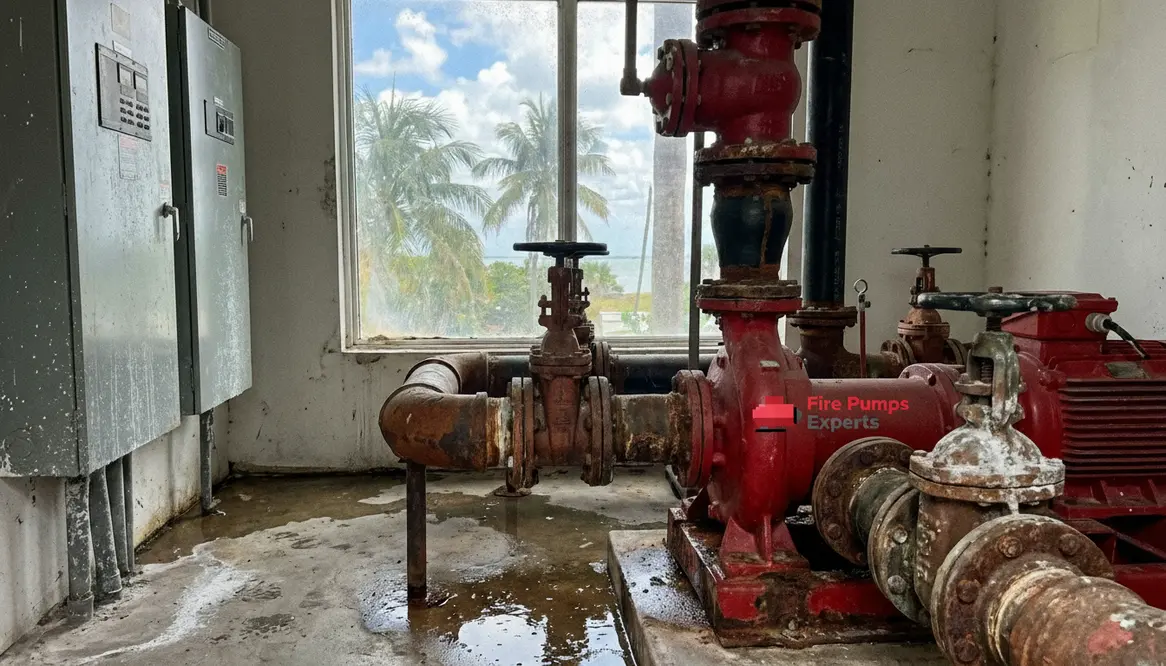
Miami Fire Pump Annual Test Flooding and Salt Air Risks
How flooding, salt air, and smart fire pump annual test miami flooding salt air pump room protection strategies determine whether your building is truly ready for an emergency.
Introduction: Miami’s Beautiful, Brutal Reality For Pump Rooms
Miami is a beautiful place to own property. The sun shines, the ocean sparkles, and the palm trees sway like they are auditioning for a tourism commercial. However, beneath that postcard charm lives a harsh reality for commercial and industrial buildings. Flooding creeps in. Salt air settles into metal like an uninvited guest. And equipment rooms take the beating. That is exactly why the topic of fire pump annual test miami flooding salt air pump room protection matters more than most facility managers realize.
I have walked through enough pump rooms in South Florida to know the story. One room looks pristine and ready. The next one looks like it survived a small hurricane and a pirate invasion. Therefore, annual testing is not just a checkbox on a compliance form. It is a moment to confirm that your fire pump will perform when the building truly needs it. And trust me, when alarms start screaming at three in the morning, nobody wants to discover their pump quit like a tired actor in the final season of a TV show.
Why Fire Pump Testing Is Different In Miami’s Environment
The Fire Pump: Heart Of Large Facility Protection
In major commercial buildings, the fire pump acts like the heart of the suppression system. It pushes water through standpipes and sprinklers with enough force to control a fire before firefighters even reach the floor. Yet in Miami, the environment constantly tries to sabotage that system.
Flooding: When The Pump Room Becomes The Pool
First comes flooding. Many pump rooms sit at or below grade. During heavy rain, storm surge, or drainage failure, water can enter these spaces quickly. Consequently, electrical components, controllers, and diesel engines face immediate risk. Even a few inches of water can interrupt operations or cause corrosion that quietly weakens the system.
Salt Air: Corrosion That Never Takes A Day Off
Then there is salt air. Miami sits beside the Atlantic, and that salty moisture drifts inland every day. Over time it coats metal surfaces, electrical terminals, and pump housings. Eventually corrosion begins to form. Bolts seize. Wiring degrades. Sensors fail. Therefore, during annual testing, I always look beyond simple performance numbers. I inspect the physical condition of the room and equipment.
For large commercial properties such as hospitals, data centers, distribution hubs, and high rise towers, this inspection becomes critical. These buildings rely on uninterrupted fire protection. A pump that struggles to start or maintain pressure can put millions in assets and countless occupants at risk.
Besides, if the pump hesitates during testing, that is the building equivalent of your car coughing during a road trip. You know trouble is coming. You just do not know exactly when.
How I Evaluate A Miami Pump Room During An Annual Test
Step 1: Reading The Room Before Reading The Gauges
When I step into a pump room for an annual test, I treat the space like a detective scene. Every detail tells a story. However, the goal is simple. I want to know whether the pump will start instantly and run without hesitation under full demand.
First, I check the room environment. Moisture, rust stains, and standing water reveal drainage problems. Then I review ventilation. Diesel pumps in particular require airflow to avoid overheating. After that, I examine electrical panels and controllers for corrosion.
Step 2: The Performance Test Under Demand
Next comes the actual test. We simulate demand and measure flow and pressure across multiple points. During this process, I watch the pump carefully. Vibrations, unusual sounds, or delayed pressure buildup can signal mechanical wear.
Meanwhile, I also review valves, gauges, and relief systems. These components often receive less attention than the pump itself. Yet they play a major role in system stability. If a gauge reads incorrectly or a valve sticks, the entire protection strategy weakens.
Step 3: Looking For Long-Term Damage From Salt And Humidity
Because Miami conditions are relentless, I also check protective coatings and seals around the equipment. Salt exposure accelerates deterioration. Therefore, preventative maintenance becomes the quiet hero of long term reliability.
Think of it like sunscreen for machinery. Skip it long enough and eventually something burns.
Fire Pump Annual Test Miami Flooding Salt Air Pump Room Protection Strategies That Actually Work
Through years of inspections across commercial campuses and industrial complexes, I have seen which protection strategies truly make a difference. Some methods fail quickly. Others extend equipment life dramatically. In Miami, the best results come from combining smart design, disciplined maintenance, and a serious approach to fire pump annual test miami flooding salt air pump room protection, not just treating it as a once-a-year formality.
Common Threats In Miami Pump Rooms
- Stormwater entering through floor drains or doors
- Salt air corrosion on piping and electrical terminals
- Condensation forming on cooler pump room surfaces
- Poor ventilation that traps humid air
- Deferred maintenance on seals and coatings
Smart Protection Measures
- Elevated equipment pads above flood level
- Sealed electrical enclosures with corrosion resistant hardware
- Dehumidifiers or climate control inside pump rooms
- Protective coatings on exposed metal surfaces
- Routine inspection tied to annual fire pump testing
Because large facilities run continuously, downtime is not acceptable. Therefore these protection strategies do more than preserve equipment. They reduce operational risk across the entire property and strengthen your overall fire pump annual test miami flooding salt air pump room protection plan.
Moreover, insurance providers increasingly review maintenance documentation. If a fire occurs and records show neglected pump testing, coverage discussions become uncomfortable very quickly. No facility manager enjoys explaining equipment failure to both the fire marshal and the insurance adjuster in the same week.
If you want a deeper technical perspective on compliant pump system design and testing expectations, it is worth reviewing resources such as Kord Fire Protection’s overview of NFPA 20 fire pump standards, which outlines how proper installation, maintenance, and performance testing work together to keep systems reliable.
What Facility Managers Usually Ask About Miami Fire Pump Testing
Does The Annual Test Really Catch Environmental Damage?
Over time, I have noticed that facility directors, property engineers, and risk managers tend to ask the same practical questions. They want answers that fit real operations rather than textbook theory. So let me answer the big one right away.
Yes, the annual test does more than verify pump pressure. It reveals environmental damage that quietly develops inside the pump room. Flood exposure, corrosion, and humidity leave clues everywhere. When caught early, these issues remain manageable. When ignored, they grow into expensive system failures that undermine even the smartest fire pump annual test miami flooding salt air pump room protection strategies on paper.
Will Testing Disrupt Normal Building Operations?
Another frequent question concerns testing disruptions. Fortunately, most large buildings can schedule testing without interrupting normal operations. We coordinate with facility teams, simulate flow conditions safely, and document performance results for compliance records.
Are Environmental Upgrades Really Worth The Cost?
Finally, many managers ask whether environmental upgrades are worth the investment. In Miami, the answer almost always leans toward yes. Preventative protection costs far less than replacing a seized pump or corroded controller after a storm season.
Plus, let us be honest. Nobody wants their fire protection strategy to depend on good luck and duct tape.
FAQ About Fire Pump Testing In Miami
Below are some of the most common questions I hear from South Florida facilities that are trying to strengthen their fire pump annual test miami flooding salt air pump room protection programs without creating chaos for operations or budgets.
Conclusion: Respect The Climate, Protect The Pump Room
Miami rewards property owners with growth, tourism, and stunning ocean views. However, the environment demands respect from every piece of critical infrastructure inside a building. Annual fire pump testing protects more than equipment. It protects lives, operations, and long term property value.
If your facility has not reviewed its pump room conditions recently, now is the time to act. Schedule a professional inspection, confirm system performance, and keep your building ready for whatever the Miami climate decides to throw your way. With consistent attention to fire pump annual test miami flooding salt air pump room protection, you turn a vulnerable basement room into one of the most resilient spaces in your entire property.