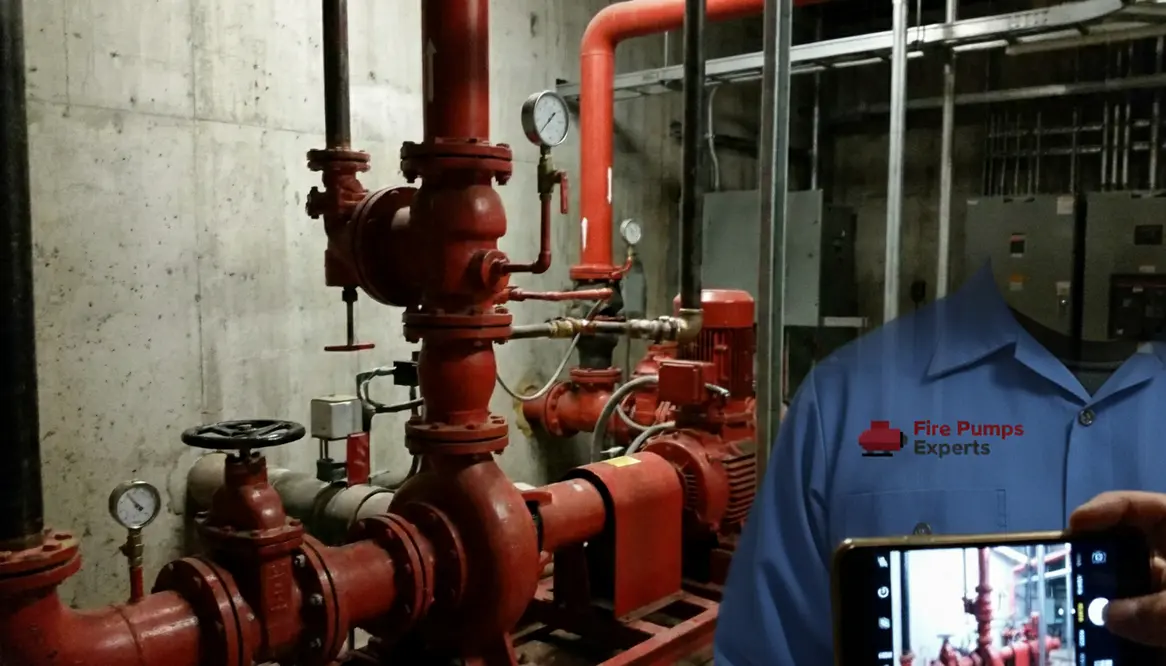
Mixed Occupancy Fire Pumps for Energy Facilities
I have spent years around heavy systems that hum, roar, and occasionally complain louder than a Monday morning crew. And if there is one thing I have learned, it is this: when it comes to protecting utility and energy facilities, nothing whispers confidence quite like a well designed fire pump system. In fact, I often tell clients that mixed occupancy fire pumps are the unsung heroes of complex sites. They quietly stand ready, like a seasoned bodyguard who does not need to flex to prove a point.
These systems matter because utility and energy facilities are not your average buildings. They are layered environments with high risk zones, critical infrastructure, and zero tolerance for downtime. So today, I will walk you through how these systems work, why they matter, and how to make them perform like a blockbuster hero instead of a background extra.
What Makes Fire Pump Systems Essential in Energy Facilities?
Let me answer this the way I would if we were standing in a control room. Energy facilities carry high loads, volatile materials, and expensive equipment. Therefore, fire suppression cannot rely on chance or basic pressure. It needs force, consistency, and reliability.
That is where fire pump systems step in. They boost water pressure when municipal supply falls short. More importantly, they ensure that suppression systems respond instantly, even in large scale or high demand scenarios. Without them, sprinklers become more decorative than functional, and nobody wants a safety system that behaves like modern art.
Additionally, these systems support compliance with strict fire codes. Inspectors do not negotiate, and frankly, neither should your fire protection strategy.
How I Design Systems for High Demand Utility Sites
Designing for Real-World Stress
When I approach a utility or energy project, I do not just think about capacity. I think about behavior under stress. Because when a fire event occurs, that system must perform like a seasoned athlete, not someone who skipped training day.
First, I evaluate water supply reliability. Then, I determine pump type and driver selection. Electric pumps offer efficiency, while diesel pumps provide independence when power fails. And yes, irony noted, because power facilities losing power is not unheard of.
Redundancy, Zoning, and Monitoring
Next, I consider redundancy. In critical environments, one pump is good, but two is peace of mind. After that, I align the system with hazard classifications across the facility. Control rooms, turbine halls, and storage zones all demand different responses.
Finally, I integrate monitoring systems. Because if something goes wrong, I want alerts faster than a superhero origin story.
Mixed Occupancy Fire Pumps in Complex Infrastructure
Now here is where things get interesting. Large utility sites rarely fit into a single category. They are hybrid environments, blending industrial, administrative, and storage spaces. This is where mixed occupancy fire pumps earn their reputation.
These systems adapt to multiple hazard levels within one property. Instead of overdesigning or under protecting, they balance pressure and flow across varied zones. Think of it as a conductor leading an orchestra. Every section plays differently, but together, they create harmony.
Moreover, they help reduce system conflicts. Without proper coordination, one area could starve another of water during peak demand. And that is not just inefficient, it is dangerous.
Key Advantages
- Adaptive pressure control across zones
- Efficient water distribution
- Reduced infrastructure redundancy
- Improved compliance alignment
Operational Benefits
- Faster emergency response
- Lower long term maintenance strain
- Better system coordination
- Scalable for facility expansion
Common Mistakes I See and How to Avoid Them
Now, let me save you some headaches. I have seen facilities treat fire pump systems like a checkbox item. That approach usually ends with expensive retrofits and awkward conversations.
Undersized, Undermaintained, and Overcomplicated
One common mistake is underestimating demand. Facilities grow, but systems often stay frozen in time. As a result, performance drops when it matters most.
Another issue is poor maintenance planning. Even the best system fails if ignored. Regular testing is not optional. It is the difference between readiness and regret.
Additionally, ignoring system integration can cause operational conflicts. Pumps must work seamlessly with alarms, controls, and suppression systems. Otherwise, you get delays, and delays are not welcome during emergencies.
And finally, I have seen overcomplication. Yes, advanced systems are impressive. However, if your team cannot operate them confidently, then you have built a puzzle instead of a solution.
How Do I Choose the Right Fire Pump System?
Hazards, Reliability, and Growth
I keep it simple. First, define your hazards. Then, match your system to those risks. After that, evaluate reliability needs. And finally, plan for growth.
Also, work with specialists who understand industrial environments. This is not the place for guesswork or generic solutions. Utility and energy facilities demand precision.
Cost, Risk, and Mixed Occupancy Decisions
And if you are wondering whether cutting costs here is wise, let me put it this way. Skipping proper fire protection is like skipping brakes on a sports car. It might look fine at first, but the ending will not be pretty.
This is especially true when you are evaluating mixed occupancy fire pumps. A well designed system might cost more up front, but it prevents painful retrofits, code issues, and downtime when operations are on the line.
FAQ About Fire Pump Systems
Final Thoughts and Your Next Step
If you are managing a utility or energy facility, now is the time to take your fire protection seriously. The right system does more than meet code. It protects assets, operations, and lives without hesitation. So, whether you are upgrading or starting fresh, invest in a solution that performs under pressure. Reach out to experts who understand complex environments and demand excellence. Because when fire risk shows up uninvited, your system should already be ready to respond.
When you put the right strategy in place, mixed occupancy fire pumps stop being just hardware in a room and start acting like the backbone of your resilience plan. They quietly bridge the gaps between risk categories, code requirements, and real-world emergency behavior, so your facility can keep doing what it was built to do.