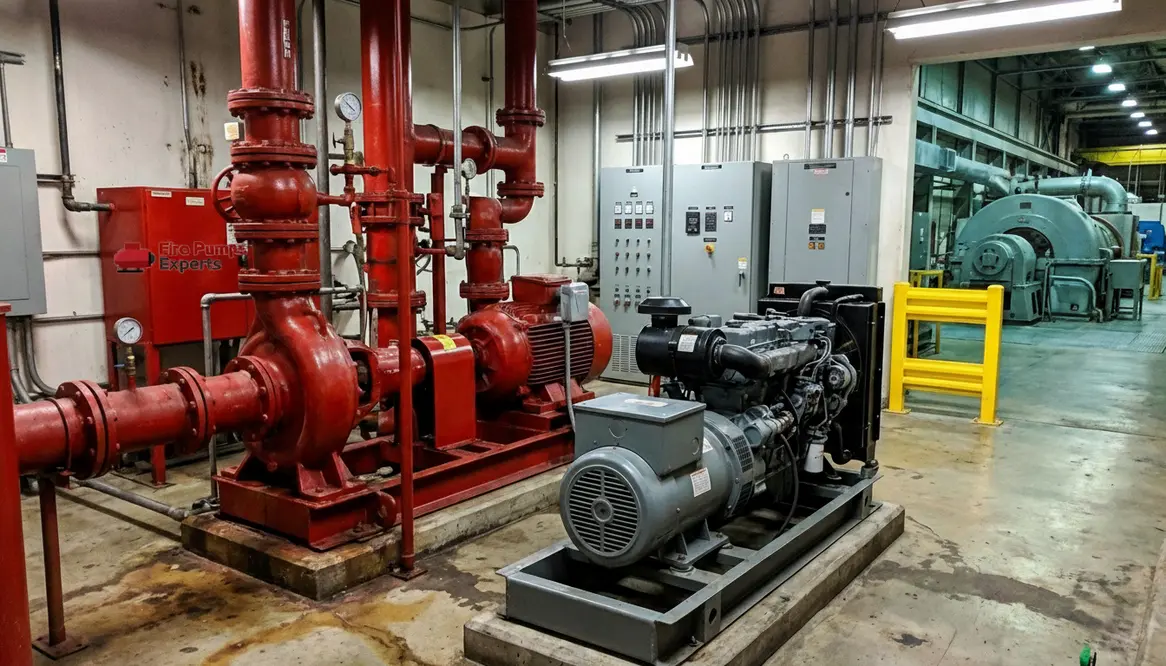
Mixed Occupancy Fire Pumps for Energy Facilities
I have spent years around critical infrastructure, and if there is one thing I have learned, it is this: when water needs to move, it cannot hesitate. That is exactly where mixed occupancy fire pumps step into the story. In utility and energy facilities, where power grids hum and turbines spin like they are auditioning for a sci fi blockbuster, fire protection is not optional. It is essential. And yes, while fire pumps may not get the cinematic glory of a superhero, they are the quiet guardians that make sure everything else keeps running.
So, let me walk you through how these systems work, why they matter, and how to choose the right setup without losing sleep or your budget.
How do fire pump systems protect utility and energy facilities?
I will answer this plainly. Fire pump systems ensure that water reaches the right pressure and flow during a fire event, even when municipal supply falls short. In large scale energy facilities, that scenario is not rare. In fact, it is expected.
Because of that, I rely on systems that can handle diverse demands. Facilities often combine control rooms, turbine halls, and storage areas. Therefore, integrated fire pump systems become essential. They balance water distribution across multiple hazard zones without blinking under pressure.
Moreover, these systems activate automatically. Once sensors detect heat or smoke, the pump kicks in, delivering water exactly where it is needed. No hesitation. No drama. Just performance.
And honestly, in an environment where one spark can cost millions, that kind of reliability feels less like a feature and more like a necessity.
Why mixed occupancy fire pumps matter in complex facilities
Now here is where things get interesting. Utility and energy facilities are not single purpose spaces. They are layered environments with varying fire risks. One area might house sensitive electronics, while another deals with flammable materials.
Because of this, mixed occupancy fire pumps become the smart choice. They adapt to different fire protection needs within the same property. Instead of installing separate systems that compete for space and resources, I can rely on one cohesive solution.
Additionally, these pumps support multiple suppression methods. Whether it is sprinklers, hydrants, or specialized suppression systems, they maintain consistent performance across the board.
Think of it like assembling the Avengers, but instead of saving the world, they are protecting your facility from catastrophic loss. Slightly less glamorous, but arguably more important.
In energy campuses that mix control rooms, generation spaces, and storage yards, mixed occupancy fire pumps effectively act as the central coordinator. One well designed system can prioritize water where it is needed most, support varied suppression technologies, and stay aligned with tight reliability requirements across the entire site.
Key components that make fire pump systems effective
Let me break it down without turning this into a mechanical engineering lecture.
Power source, controller, and pump unit
Power Source
Electric motors or diesel engines ensure the pump runs even during outages.
Controller
This is the brain. It monitors conditions and activates the pump instantly.
Pump Unit
The heart of the system. It moves water at high pressure where it is needed.
Water supply, jockey pump, and piping
Water Supply
Stored tanks or dedicated lines guarantee availability during emergencies.
Jockey Pump
Maintains system pressure and prevents unnecessary starts.
Piping Network
Delivers water efficiently across large scale facilities.
Each component plays a role. However, it is the coordination between them that defines success. When one part fails, the entire system feels it. That is why design and maintenance are never afterthoughts.
Design considerations for high demand energy environments
Designing for utility facilities is not a copy paste job. Every site has its own quirks. Some deal with extreme heat. Others face corrosive environments or fluctuating loads.
So, I always start with risk assessment. What hazards exist? How fast could a fire spread? Then, I align the pump capacity and pressure requirements accordingly.
Redundancy, reliability, and compliance
Next, redundancy becomes critical. In these environments, downtime is not just inconvenient. It is expensive. Therefore, backup power and secondary pumps are often part of the equation.
Furthermore, compliance matters. Local codes and national standards guide system design. Ignoring them is like skipping the instructions while assembling furniture. It might work for a chair, but not for a fire protection system.
In mixed use energy facilities, mixed occupancy fire pumps allow you to satisfy strict code requirements for each type of space without fragmenting your infrastructure. That means fewer surprises during plan review, smoother inspections, and a fire protection backbone that is easier to upgrade as your site evolves.
Maintenance strategies that keep systems ready
Let me be blunt. Even the best fire pump system will fail if it is ignored.
Testing, inspection, and replacement
Routine testing ensures that everything functions as expected. Weekly churn tests, monthly inspections, and annual performance evaluations are standard practice.
Additionally, I pay close attention to wear and tear. Seals, bearings, and valves do not last forever. Replacing them before failure is always cheaper than dealing with an emergency.
And yes, documentation matters. Keeping detailed records helps identify patterns and prevent recurring issues. It is not glamorous work, but it saves time, money, and a lot of headaches.
If you are running a fleet of generators, switchgear rooms, and fuel handling areas, the maintenance program around your mixed occupancy fire pumps is just as strategic as the initial design. A disciplined schedule, clear responsibilities, and honest performance reviews keep small problems from turning into headline events.
Choosing the right system for your facility
When it comes to selection, I focus on compatibility and scalability. The system should meet current demands while allowing room for future expansion.
Equally important, I consider the facility layout. Large properties require efficient distribution to avoid pressure drops. That is where well designed fire pump systems shine.
Working with the right partners
Finally, I work with specialists who understand commercial and industrial environments. Not every provider can handle the complexity of energy facilities. Choosing the right partner makes all the difference.
For facilities that blend offices, control centers, substations, process equipment, and storage, mixed occupancy fire pumps offer a practical path to simplicity. They let you support different hazard classes and suppression technologies from a unified platform, and they scale as your grid, plant, or data operations grow over time.
If you want a deeper technical overview, standards references, and configuration ideas, you will find a detailed resource library at https://firepumps.org, which is especially useful when you are weighing options for mixed occupancy fire pumps that must serve both current and future expansions.
FAQ
Conclusion
If you are responsible for protecting a utility or energy facility, the choice is clear. You need a fire pump system that performs under pressure, adapts to complex environments, and stands ready at a moment’s notice. I can help you find that solution. Reach out today, and together we will build a system that keeps your operations safe, compliant, and running without interruption. Because when it comes to fire protection, second best is not an option.