Fire Pump Design by Building Type Guide
I have walked through enough pump rooms to know one thing: when a fire starts, theory stops and water starts. For industrial property owners, that moment depends on thoughtful fire pump design by building type. In the first minutes, the right system moves from quiet standby to decisive action. I will show you how to think about design, selection, testing, and compliance so your facility responds like a seasoned pro, not a nervous extra in a disaster movie.
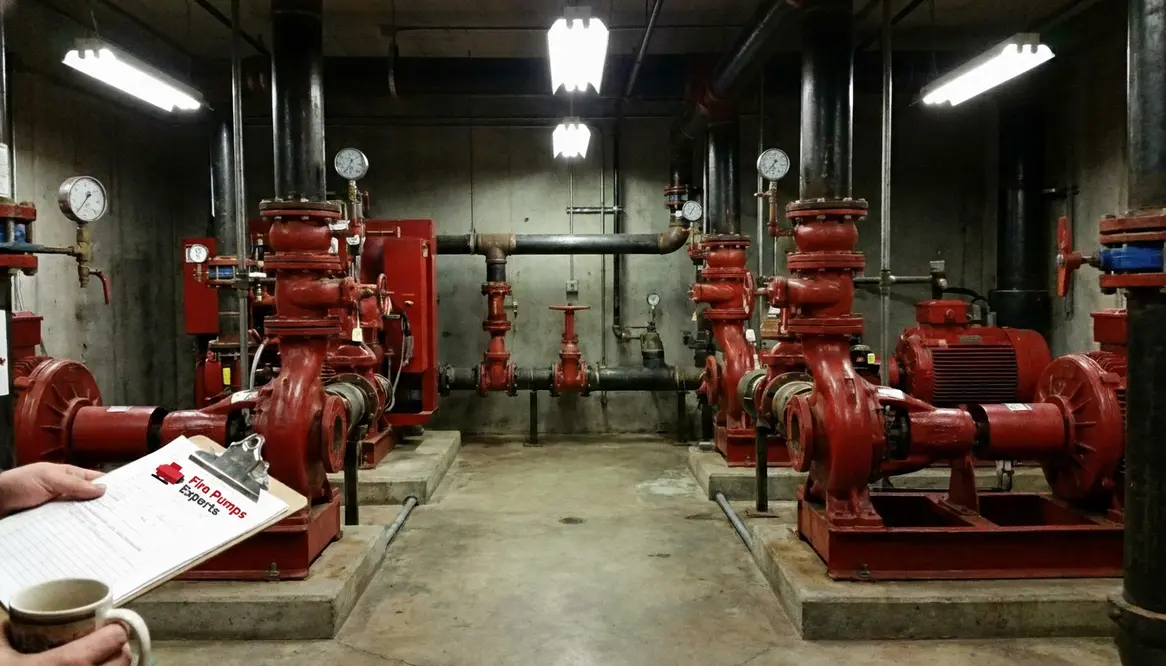
Think of your pump room as the action sequence that never makes the trailer but saves the entire plot. The better it is designed for your specific building, the less dramatic the fire event has to be.
That is the quiet power behind precise fire pump design by building type: fewer surprises, smoother performance, and a system that behaves like it has rehearsed this scene a thousand times.
Start with the Building, Not the Pump
I begin every project with the building itself. A high rack warehouse does not behave like a data center, and a chemical plant has a different risk profile than a distribution hub. Therefore, fire pump design by building type shapes flow, pressure, and redundancy.
For example, I plan higher flow for storage with tall commodities and design for quick pressure stability in facilities with sensitive equipment. Moreover, I match the pump curve to real demand, not wishful thinking. As a result, the system avoids both underperformance and waste.
Why building type calls the shots
- High rack warehouses: tall storage drives higher flow and longer duration.
- Data centers: sensitive equipment pushes faster, stable pressure control.
- Chemical or process plants: complex hazards demand tailored redundancy and zoning.
- Cold storage: low temperatures, unique construction, and ice potential affect component choices.
And yes, if you are picturing a one size fits all pump, that is like casting one actor for every role. Even Hollywood would not try that.
How do I size a fire pump for an industrial facility?
I size it from the hazard outward. First, I determine the required density and area from the applicable standard and your occupancy. Next, I add hose allowance and friction losses through piping and fittings. Then, I set a pressure target at the most remote point.
After that, I choose a pump that meets duty at the rated point and still performs across the curve. Consequently, you get reliability during peak demand and stability during churn. I also verify suction conditions so the pump does not starve. Cavitation is not dramatic in a good way.
Core sizing ingredients
- Flow: Based on hazard classification and storage height
- Pressure: Accounts for elevation, losses, and safety margin
- Curve fit: Stable operation from churn to rated to overload
- Suction: Adequate supply from tank or city main
How building type shifts the numbers
Warehouse, data hall, refinery, or cold storage room: each one pulls those flow and pressure dials in a different direction. That is why serious fire pump design by building type never copies numbers from the last project and hopes for the best. It respects the hazard, the construction, and the operational reality you actually live with.
Power, Drivers, and Redundancy That Actually Work
I treat power as a first class citizen. Electric drivers are efficient and clean. However, if the grid is unreliable, I specify diesel. In critical facilities, I pair them for resilience. Meanwhile, controllers must be listed and coordinated with your building systems.
Additionally, I plan for transfer and start sequences so the pump starts without drama. Think of it as choreography. When alarms call, the pump answers on cue.
Electric driver
- Lower maintenance
- Quiet operation
- Dependent on utility
Diesel driver
- Independent of grid
- Fuel storage required
- Regular engine testing
Therefore, my fire pump design by building type often includes redundancy aligned with your risk tolerance and uptime needs. A data center demands a different posture than a cold storage site, and I design accordingly.
Layout, Piping, and the Art of Not Fighting Physics
I keep layouts clean and serviceable. Straight suction piping, proper clearances, and accessible valves make a difference on the day it matters. Furthermore, I reduce unnecessary fittings that steal pressure. Every elbow is a tiny toll booth.
I also integrate test headers and flow meters so you can verify performance without guesswork. Because if you cannot prove it, you do not have it.
Practical layout choices
- Short, straight suction runs with minimal elbows
- Generous working clearances around equipment
- Clearly labeled and accessible isolation valves
- Test headers located where flows can be measured safely
Testing, Maintenance, and What Owners Actually Control
I have seen great systems fail from neglect. So I build a testing plan into the design and your operations. Weekly churn tests, monthly checks, and annual flow tests keep the system honest. In addition, I track trends in pressure and flow so small issues do not grow into big surprises.
Consequently, your team gains confidence. And confidence, unlike a lucky rabbit foot, is earned through data.
- Weekly no flow run to verify start and stability
- Monthly inspection of valves, fuel, and controllers
- Annual flow test to confirm rated performance
Turning tests into insight
When you trend test data over time, you spot creeping discharge pressure losses, suction issues, or controller glitches long before they turn into a bad day. That is where disciplined fire pump design by building type connects directly to your maintenance program: the system was built with testing, trending, and troubleshooting in mind.
Codes, Documentation, and Passing Inspections Without Sweat
I align with the applicable standards and local requirements from day one. Then, I document everything. Submittals, as builts, and test reports should tell a clear story. Inspectors appreciate clarity, and so do future operators.
Moreover, when fire pump design by building type is documented with intent, upgrades become straightforward. You are not decoding a mystery novel at 2 a.m.
Documentation that actually helps you
- Clear basis of design tied to building use and hazard
- Pump data sheets, curves, and acceptance test results organized together
- As built drawings that match reality, not wishful thinking
- Inspection and test logs that speak the same language as your AHJ
If you ever need outside help, that same documentation lets a specialist review your configuration quickly. Resources like https://firepumps.org become far more useful when your system records are clean and complete.
FAQ
Conclusion
I design fire protection so it performs when no one has time for second guesses. If you own or operate a major facility, let us align your fire pump design by building type with real risks and real operations. I will help you size it right, power it smart, and prove it works. Reach out, and we will turn your pump room into the quiet hero your property deserves.