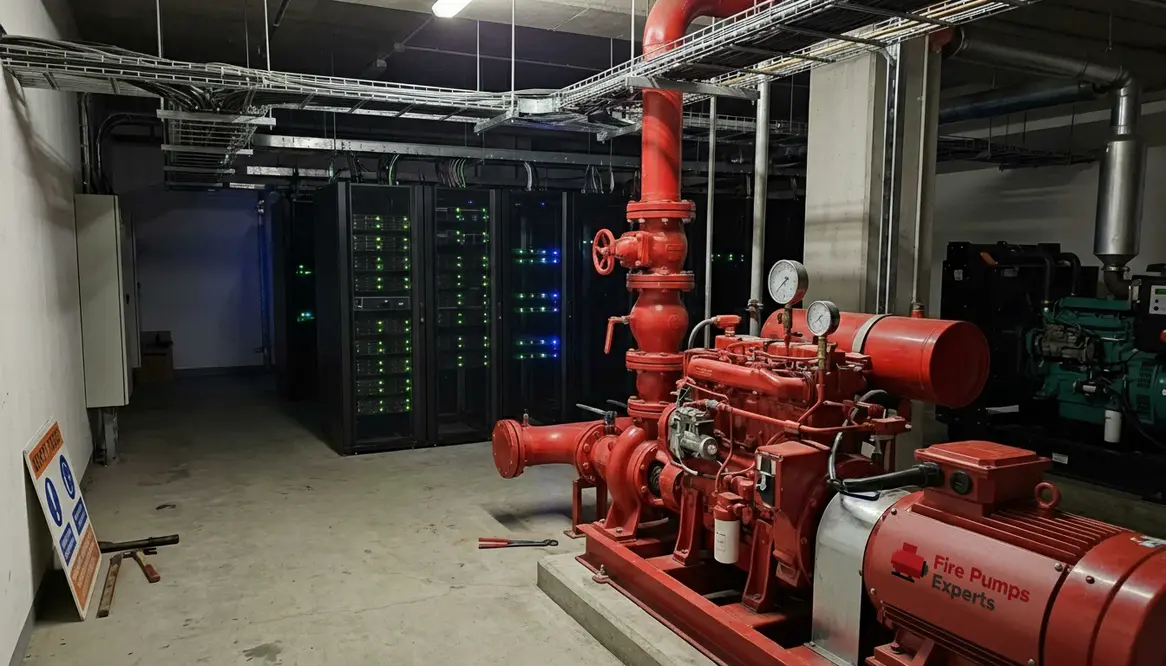
NFPA 76 Fire Pump Telecom Systems Guide
I have spent enough time around mission critical facilities to know one simple truth. When things go wrong, they go wrong fast. That is exactly why NFPA 76 fire pump telecom systems matter so much inside telecommunications facilities. These buildings carry the digital heartbeat of entire cities, and if fire protection fails, the ripple effect can feel like someone just pulled the plug on modern life itself. Not exactly the kind of blackout anyone wants, unless you are auditioning for a post apocalyptic movie.
So today, I am walking you through the role of fire pumps under NFPA 76, why they are essential, and how they quietly stand guard like the unsung heroes of your network uptime.
These systems may not get much attention when everything is running smoothly, but the moment heat, smoke, and chaos show up, everyone in the building suddenly cares a lot about water pressure, pump performance, and how fast suppression kicks in.
That is the quiet genius of well designed NFPA 76 fire pump telecom systems: when they work, you barely notice them. When they do not, every second feels like an eternity.
Understanding the Backbone of Telecom Fire Protection
Telecommunications facilities are not your average buildings. They house sensitive electronics, backup power systems, and miles of cabling. Consequently, fire risk behaves differently here compared to standard commercial spaces.
NFPA 76 focuses specifically on protecting these environments. It outlines how fire detection, suppression, and water supply should function together. While clean agent systems often take the spotlight, fire pumps step in as the reliable backbone when water based systems are required.
Moreover, when municipal water pressure cannot meet demand, a fire pump ensures consistent flow. Think of it as the difference between a garden hose and a fire hose. Both move water, but only one shows up ready for battle.
Why Telecom Fires Are Different
• High fuel loads in the form of cable insulation and plastics
• Continuous operation and limited shutdown windows
• Sensitive equipment that does not tolerate heat, smoke, or water very well
Where Fire Pumps Fit In
• Support sprinkler or water mist systems serving equipment rooms
• Compensate for weak or unreliable municipal water supply
• Provide controlled, predictable pressure when everything else feels unpredictable
Why Fire Pumps Matter in NFPA 76 Fire Pump Telecom Systems
I like to think of fire pumps as the quiet bodyguards of a telecom facility. You do not notice them until things get serious, and then suddenly, they are the most important presence in the room.
Under NFPA 76 guidelines, fire pumps support suppression systems that protect critical equipment areas. These pumps ensure that sprinkler or water mist systems receive adequate pressure and flow during a fire event.
Additionally, telecom facilities often operate 24 by 7. Therefore, reliability is not optional. Fire pumps must be designed with redundancy, backup power, and regular testing protocols. In other words, they need to be as dependable as your internet connection during a season finale cliffhanger.
When NFPA 76 fire pump telecom systems are done properly, they do more than meet a code line. They actively protect uptime, reputation, and revenue. When they are rushed or underdesigned, they become that weak link everyone remembers the moment alarms start blaring.
What Makes a Fire Pump “Mission Ready”
Mission ready fire pumps share a few traits: they start reliably, they deliver the required flow and pressure, and they keep running even when the rest of the building is having the worst day of its life. They are backed by power sources that do not quit, and they are tested often enough that surprises are kept to a minimum.
How Do Fire Pumps Integrate with Telecom Infrastructure?
Integration is where design either shines or completely falls apart.
Fire pumps connect directly to the facility’s fire protection system, but they also interact with power systems, alarms, and monitoring tools. As a result, coordination between engineers, fire protection specialists, and facility managers becomes essential.
For example, many telecom facilities rely on backup generators. Fire pumps must tie into these systems to maintain operation during power outages. Otherwise, you risk having a perfectly designed fire system that fails the moment the lights go out. That is like installing a security system that takes weekends off.
Key Integration Points
- Emergency power connections
- Fire alarm system signaling
- Water supply monitoring
- Remote status reporting
Design Priorities
- Continuous operation capability
- Redundant components
- Ease of maintenance access
- Compliance with NFPA 76 standards
NFPA 76 fire pump telecom systems live at the intersection of mechanical, electrical, and IT infrastructure. Ignore any one of those pieces, and you end up with the kind of system that looks impressive in drawings but folds under real world pressure.
Design Considerations for Commercial and Industrial Telecom Facilities
When I approach a large scale telecom project, I never treat it like a standard office building. The stakes are higher, and the systems must reflect that reality.
First, water supply reliability becomes critical. In many cases, on site storage tanks pair with fire pumps to guarantee sufficient supply. Furthermore, engineers must calculate demand based on the specific hazards present, including cable trays and equipment rooms.
Next, pump selection matters. Electric fire pumps are common, but diesel driven pumps offer an extra layer of resilience. Therefore, many facilities choose a combination to cover all scenarios.
Then there is maintenance. NFPA 76 requires regular inspection and testing. Skipping these steps is not just risky, it is like ignoring a check engine light for months and expecting your car to run perfectly on a cross country trip.
Balancing Performance, Cost, and Risk
There is always a temptation to trim capacity “just a little” or delay that second pump or storage tank. In commercial and industrial telecom environments, that shortcut usually shows up later as downtime, damaged equipment, or a very tense conversation with leadership about why the network went dark when it mattered most.
Common Mistakes I See in Fire Pump Planning
Even experienced teams can stumble here. I have seen it happen more than once.
One frequent issue is underestimating demand. Designers sometimes assume municipal supply will suffice, only to discover pressure drops during peak usage. Consequently, the system underperforms when it matters most.
Another mistake involves poor integration with backup power. Without proper coordination, fire pumps may fail during outages, defeating their entire purpose.
Finally, inadequate testing routines create a false sense of security. A system that looks good on paper but fails in reality is about as useful as a superhero who forgets their powers at home.
Red Flags During Design and Commissioning
- Vague assumptions about available water supply instead of hard data
- No clear plan for how the pump behaves during generator transitions
- Testing reduced to a checkbox exercise instead of a serious shakedown
- Documentation scattered across emails and binders no one can find
Ensuring Compliance with NFPA 76 Fire Pump Telecom Systems
Compliance is not just about checking boxes. It is about creating a system that performs under pressure, literally.
To meet NFPA 76 requirements, facilities must align fire pump design with overall fire protection strategies. This includes proper sizing, installation, and ongoing maintenance.
Additionally, documentation plays a key role. Inspection records, test results, and system updates must remain accessible. Therefore, facility managers can quickly verify compliance and address issues before they escalate.
In my experience, the most successful facilities treat compliance as an ongoing process rather than a one time task. That mindset makes all the difference.
When NFPA 76 fire pump telecom systems are treated as living systems instead of set it and forget it installations, the result is simple: fewer surprises, faster response, and a much lower chance that a fire becomes tomorrow’s headline.
FAQ: Fire Pumps in Telecommunications Facilities
Final Thoughts and Next Steps
If you manage or design a telecom facility, do not leave fire protection to chance. The right fire pump strategy keeps your operations running and your risks in check. At https://firepumps.org, the focus is on commercial and industrial properties that demand performance without compromise. Reach out today and build a system that stands ready, even when everything else is on the line.
When alarms sound, sprinklers open, and the power grid starts doing strange things, no one wants to wonder whether the pump will start. Thoughtfully designed NFPA 76 fire pump telecom systems make sure that question is answered long before smoke ever appears.