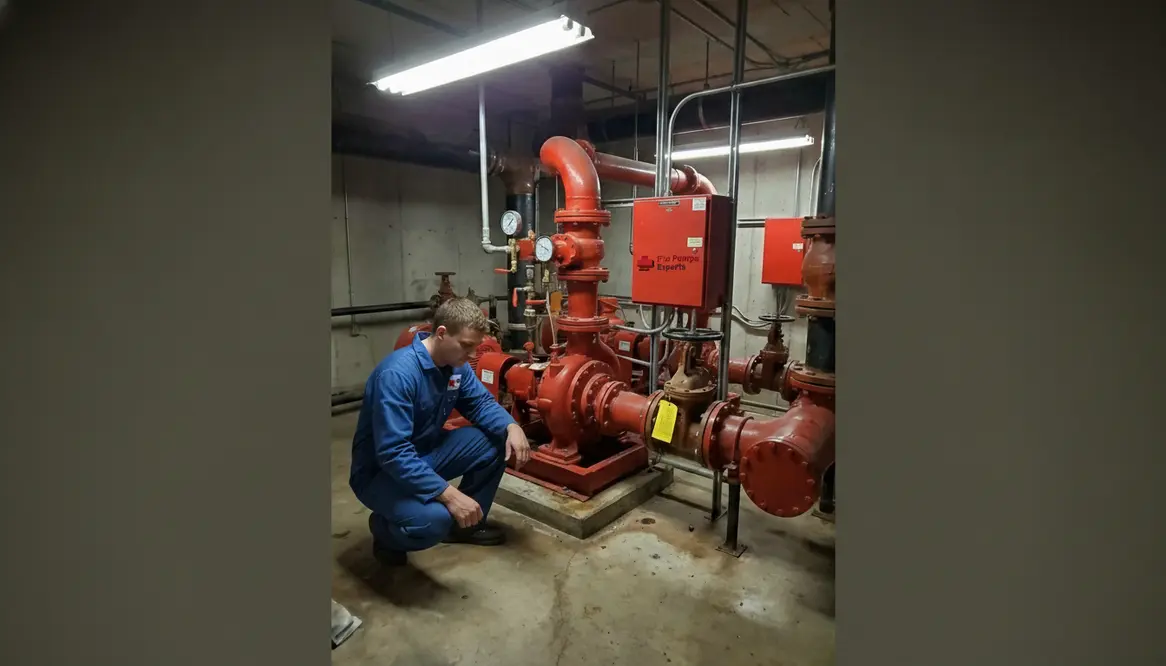
NZS Fire Pump Requirements for Sprinkler Systems
When I talk about NZS sprinkler requirements for commercial and industrial buildings, I am talking about the backbone of fire protection that keeps a property ready when trouble shows up uninvited. A sprinkler system is only as strong as the pump behind it, and that pump must deliver the right pressure, the right flow, and the right reliability. In plain terms, if the sprinklers are the actors, the fire pump is the stage crew doing the heavy lifting behind the curtain. Nobody cheers for it, but everybody notices when it fails.
For major property owners, facility managers, and industrial operators, NZS rules guide how I choose, size, install, test, and maintain the fire pump. These standards help make sure the system can handle real fire demand, not just look good on paper. And yes, paper can smile all it wants, but fire does not care about optimism.
What NZS fire pump rules mean in practice
In simple terms, NZS requirements tell me that the fire pump must support the sprinkler system under the worst expected demand. That includes the system’s needed flow, pressure loss in the pipework, and any special building risks. So, I look at the hazard class, the building height, water supply limits, and how the sprinklers are laid out. If the water supply cannot meet demand on its own, the pump steps in and takes over like a reliable side character in a blockbuster.
I also pay close attention to pump selection. The pump has to match the system demand curve, not just a random number someone hoped would work after a long lunch. In commercial and industrial sites, that means checking duty point, backup power, and how the pump will behave when the fire system calls for instant action.
How I size a fire pump for sprinkler systems
I size a fire pump by working through the system demand from the ground up. First, I identify the sprinkler design area and the required discharge. Then I add the losses from valves, risers, and pipe runs. After that, I check whether the water source can support the demand for the required duration. If it cannot, I specify a pump that can.
Here is the part many owners miss. A pump must do more than reach pressure for a moment. It must hold performance for the full fire event. That is why I look at:
Commercial and industrial fire pump sizing factors
In a simple dual column view, I focus on both sides of the job:
System side
- Sprinkler type and hazard level
- Required flow rate
- Pipe friction loss
- Elevation changes
Pump side
- Duty pressure and flow
- Power source and backup supply
- Starting method
- Performance under real test conditions
This is where the NZS sprinkler standard matters most. It turns guesswork into numbers, and numbers into a system that can actually do the job. That saves headaches, and more importantly, saves buildings.
Installation details I check on site
Once I know the pump size, I turn to installation. I want the pump room to be accessible, protected, and built for service. It should not feel like a storage closet for broken chairs and old toner cartridges. Fire pump rooms need clear access, enough ventilation, proper drainage, and space for testing and maintenance.
I also check the suction line, discharge line, isolation valves, and controller setup. The pump needs proper alignment and stable foundations, because vibration can damage performance over time. In addition, the power supply must stay reliable. If the main power fails, the backup source must step in fast. That is not a luxury. That is the whole point.
For larger sites, I also review whether the pump set matches the building’s fire strategy. For example, high rise assets, logistics hubs, manufacturing plants, and large warehousing sites often need more than a basic setup. They need a system that stays calm under pressure, even when the rest of the building is having a very bad day.
Testing and maintenance for NZS fire pump systems
I do not treat testing as a box ticking exercise. I treat it as proof. A fire pump may look perfect during install, but real life has a nasty habit of exposing weak points. So I test start up, flow, pressure, alarms, power transfer, and overall system response. Then I compare the results to the expected design values.
Routine maintenance matters just as much. Over time, valves can stick, controllers can drift, and pump parts can wear down. Therefore, I keep a planned service schedule for commercial and industrial properties. That usually includes checks on seals, bearings, fuel systems if fitted, batteries, pressure settings, and any signs of corrosion or leakage.
Why NZS sprinkler compliance protects major properties
Compliance is not just about meeting a rulebook. It protects people, assets, and business continuity. A proper NZS sprinkler system with the right fire pump can reduce fire spread, limit damage, and keep shutdown time lower. For major properties, that can mean the difference between a controlled event and a full scale disaster that makes everyone wish they had paid more attention sooner.
It also supports insurance, due diligence, and safe operation. When I work with commercial and industrial facilities, I want the fire protection system to stand up to inspection, emergency use, and real world stress. That means following the standard, documenting the work, and keeping the system ready year round.
If you are unsure whether your current NZS sprinkler arrangement still meets expectations, independent assessment and hydraulic review can be a smart move. Resources such as https://firepumps.org can also help owners understand how modern pump setups support stringent compliance and performance goals in real fire conditions.
FAQ
Conclusion
If you manage a commercial or industrial property, I suggest treating your fire pump as a critical system, not a side note. The right NZS sprinkler setup depends on proper sizing, clean installation, regular testing, and steady maintenance. If you want confidence in your building’s fire protection, now is the time to review your system and make sure it still meets the standard. A solid fire pump today can spare you a very expensive lesson tomorrow.