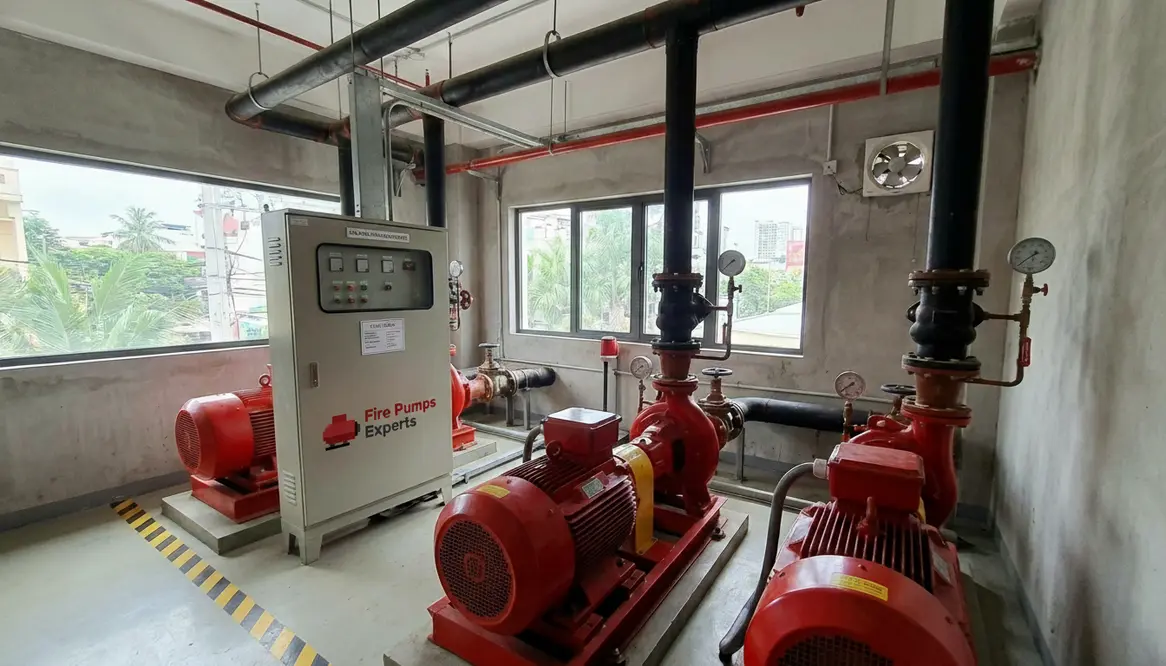
Vietnam Fire Pump Room Requirements Guide
How to turn a Vietnam room for fire pumps into a reliable, code-compliant safety backbone for commercial and industrial buildings.
Vietnam Fire Pump Room Requirements Overview
When I look at a Vietnam room built for fire protection, I do not see a simple utility space. I see the quiet muscle behind a commercial building’s safety plan. It may sit in the background like a stagehand in a blockbuster, but when trouble shows up, it has one job: keep water moving. And in Vietnam, that room must meet clear rules, smart layout standards, and practical safety needs for commercial and industrial facilities, as well as major property buildings. So, if you want to avoid expensive mistakes, delays, or the fire code version of a plot twist, I will walk you through what matters most.
In this article, I focus on the main requirements, the key design points, and the checks that help a fire pump room work the way it should. I keep it practical, because in this field, pretty drawings do not put out flames. Systems do.
What A Vietnam Fire Pump Room Must Do
A fire pump room must hold the equipment that supports sprinkler and hydrant systems when normal water pressure is not enough. In Vietnam, this space must serve large buildings and industrial sites with steady, reliable water delivery. Therefore, the room needs enough space for pumps, controllers, valves, test lines, and maintenance access. It also needs a layout that lets staff inspect and service the system without squeezing past pipes like they are in a packed subway car during rush hour.
I also look at function before finish. The room should stay dry, clean, and secure. In addition, it should sit in a place that protects the system from heat, flooding, impact, and unauthorized access. A fire pump room is not a storage closet with a noble dream. It is a critical life safety area.
Core functions to keep in mind
- House pumps, controllers, and key valves safely
- Deliver reliable pressure to sprinklers and hydrants when the grid cannot
- Allow safe, fast access for inspection and repair
- Protect equipment from water damage, impact, heat, and tampering
Vietnam room design rules for commercial buildings
When I design or review a Vietnam room for a commercial site, I start with access, structure, and service space. The room should support fast entry for maintenance and emergency response. It should also allow safe removal and replacement of major parts. If a pump fails, the team should not need a demolition crew just to reach it.
Here is a simple two column view of the main design focus.
Design point
- Room size
- Access
- Floor level
- Ventilation
- Power supply
What I check
- Enough space for equipment and movement
- Clear entry for staff and service work
- Protection from water and flooding at floor level
- Stable temperature and airflow
- Reliable main and backup power lines
Also, the room should support fire rated separation where needed. That helps protect the pump set from nearby hazards. In many projects, I see teams focus hard on the building’s front face, while the pump room gets treated like the cousin no one talks about at family dinner. That is a mistake. A strong fire protection system starts in this room.
How I check equipment, power, and water supply
The heart of the room is the pump set, but the whole system must work together. First, I check the water source. The system must have enough water volume and dependable pressure conditions for the building’s risk level. Next, I look at the main pump, standby pump, and jockey pump arrangement. This setup helps the system stay ready, even when demand changes or one unit needs repair.
Then I check the controllers and power source. Commercial and industrial facilities need reliable electrical supply, and often backup power as well. If the power drops, the fire pump room should still support emergency operation. After that, I review valves, gauges, alarms, and test connections. These parts may look small, but they tell the truth about system health. In the world of fire protection, the pressure gauge is basically the building’s lie detector.
Finally, I look at the piping layout. Piping should stay easy to inspect, support smooth flow, and avoid unnecessary bends that reduce efficiency. Good layout saves time during testing and service, which matters a great deal in busy sites where every hour counts.
Why safety, ventilation, and maintenance matter
A fire pump room must stay safe for both equipment and people. That means I pay close attention to ventilation, drainage, lighting, and temperature control. Heat can damage electrical parts. Moisture can damage controls and metal surfaces. Poor lighting makes inspections harder and raises the chance of mistakes. And mistakes, as every facility manager knows, love to show up uninvited.
Maintenance access matters just as much. The room should allow routine checks, flow tests, and repairs without major disruption. I also recommend clear labels and simple operational signs. When a technician arrives at 2 a.m., they should not need a treasure map or a scene from a mystery show to find the right valve.
Testing and large facilities
For major property buildings and large industrial facilities, regular testing helps keep the whole system honest. The room must support that routine with enough working space, safe walk paths, and proper drainage for test water. Without these details, the strongest pump can still become a problem during inspection day.
If you are planning a high-risk site, treat the Vietnam room as early-stage infrastructure, not a late-game afterthought.
FAQ: Vietnam fire pump room requirements
These are the questions that usually come up when owners start looking at a Vietnam room layout for fire pumps and hydrant systems.
Final thoughts and next step
If you manage a commercial or industrial project in Vietnam, I suggest treating the fire pump room as a core safety asset, not a side note. I can help you review the layout, check the equipment needs, and align the room with real project demands. Contact me when you want a practical fire pump room plan that supports compliance, reliability, and peace of mind. Because when the alarm sounds, you want readiness, not regret.