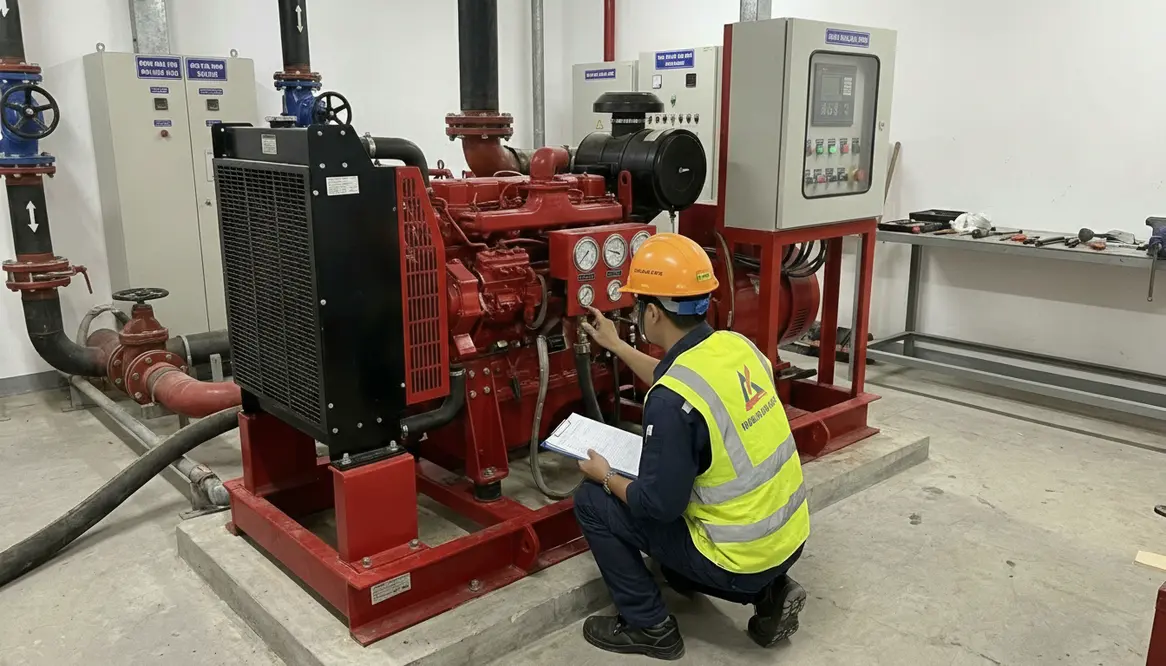
Vietnam Fire Pump Testing and Maintenance Guide for Commercial and Industrial Buildings
When I talk about Vietnam testing for fire pumps, I am talking about the kind of work that keeps large commercial buildings, industrial sites, and major properties ready when trouble shows up uninvited. And trouble, as we both know, never calls first. It just arrives like a surprise guest in a bad movie. In Vietnam, fire pump systems need regular testing and steady maintenance so they can deliver water pressure fast, cleanly, and without drama. That is why I treat this topic as a core safety duty, not a box to tick and forget.
What Vietnam testing means for fire pump systems
Vietnam testing covers the checks I use to confirm that a fire pump can start, run, and hold proper pressure during an emergency. For commercial and industrial facilities, this matters because a weak pump can slow the entire fire protection system. I test diesel pumps, electric pumps, controllers, valves, suction lines, and discharge lines. Then I look for leaks, low pressure, strange vibration, heat, and noise.
In simple terms, I want proof that the pump will do its job when the building has no patience for guesswork. A system may look fine on the outside, but hidden wear often sits behind the scenes like a villain waiting for its big moment. So I test in a planned way, record every reading, and compare results over time. That gives me a clear picture of system health.
How I inspect a fire pump before testing
Before I run any test, I inspect the pump room and the full system. First, I check that the room stays clean, dry, and easy to reach. Then I confirm that the pump has enough ventilation and that nothing blocks access. After that, I look at the fuel level for diesel units, the power supply for electric units, and the control panel for alarms or fault lights.
I also examine the valves. They must stay in the right position, because a closed valve can turn a test into a very expensive lesson. Next, I check the jockey pump, pressure gauges, battery condition, and piping supports. If I see rust, seepage, or loose fittings, I mark them right away. This early step saves time later and helps prevent a false clean bill of health.
Quick pre test checklist
Column 1
- Room access
- Ventilation
- Fuel or power supply
- Control panel status
Column 2
- Valve positions
- Pressure readings
- Leaks or rust
- Battery and wiring condition
Vietnam fire pump testing steps I follow on site
When I begin the actual test, I work in a set order so I can compare results with past records. First, I verify the starting method. Then I start the pump manually or through the controller, depending on the system design. I watch the startup time, the pressure build, and the overall stability.
Next, I observe flow performance. A strong fire pump should reach the required pressure and keep running without hunting or dropping off. I listen closely too, because pumps often “speak” before they fail. A strange rattle, a harsh hum, or excess vibration can tell me more than a shiny gauge ever will. After that, I test automatic start functions, alarms, and transfer behavior where relevant. If the system includes a diesel engine, I also check exhaust, coolant level, and battery charging.
During Vietnam testing, I record every result because numbers tell the truth even when people would rather hear good news. And yes, the pump room is usually less exciting than a concert, but the stakes are a lot higher than ticket prices at the last tour.
Maintenance plan for reliable fire pump performance
Testing alone is not enough. I build maintenance around the test results so the system stays ready between inspections. I replace worn parts before they fail, tighten loose fittings, clean strainers, and remove buildup around the pump base. I also rotate moving parts when needed and keep lubrication in line with the maker’s guide.
For diesel fire pumps, I check oil, coolant, belts, filters, and fuel quality. For electric pumps, I inspect wiring, panel health, and motor condition. In both cases, I watch for heat damage and corrosion because both can spread quietly. If a facility runs in a harsh area with dust, moisture, or chemical exposure, I shorten the maintenance cycle. That is not overkill. That is common sense wearing work boots.
What I keep in the maintenance record
- Test date and time
- Pressure and flow readings
- Startup and shutdown behavior
- Faults, leaks, and repairs
- Parts replaced and next service due
Why record keeping matters for commercial buildings
Good records help me spot trends before they turn into failures. If a pump starts slower each month, I want to see that pattern early. If discharge pressure drops a little every quarter, I want to catch it before the system loses strength. Records also help building owners, safety teams, and inspectors stay aligned.
For major properties, this paper trail supports compliance, insurance reviews, and internal safety audits. It also gives me confidence that the system has not slipped out of shape while everyone was busy doing the thousand other things that keep a large facility alive. In short, records turn guesswork into action. That is the difference between being ready and hoping for the best, which is not much of a plan.
Vietnam testing, standards, and professional support
Across commercial and industrial projects, Vietnam testing practices for fire pumps often reference NFPA standards, local fire codes, and insurer requirements. Aligning your test procedure with these guides keeps the system defensible when someone asks, “Why was it done that way?” and helps ensure every pump, controller, and valve is measured against a clear benchmark instead of someone’s guess.
Many facility teams choose to combine their internal checks with outside inspections from dedicated fire protection specialists. Firms listed with global bodies or with strong local experience in Vietnam testing can bring calibrated instruments, certified procedures, and reporting formats that satisfy regulators and insurers. Used well, that partnership turns isolated inspections into a long term strategy for pump reliability, sprinkler performance, and life safety across the site.
If you are building out a program for a high rise, factory, or logistics site, treat Vietnam testing as a recurring, documented process baked into your maintenance calendar, not as an emergency chore when something already smells like burnt wiring. The more predictable the testing rhythm, the less dramatic the failures, which is the kind of quiet success nobody complains about in the safety meeting.
FAQ about fire pump testing in Vietnam
Final thoughts on keeping your fire pumps ready
Need reliable support for your commercial or industrial fire pump system? I recommend you schedule a professional review, confirm your test records, and keep your maintenance plan current. If you manage a major building or facility in Vietnam, now is the right time to strengthen your fire protection setup. Reach out, get the system checked, and make sure your pumps are ready before anyone has to find out the hard way.