Retail Fire Protection and Fire Pump Design in NJ
I have spent years walking mechanical rooms in towering New Jersey buildings, listening to the hum of fire pumps and the quiet tension of systems that must work perfectly when everything else fails. In dense metro areas, where space is tight and expectations are high, retail fire protection becomes more than a service. It becomes a careful balancing act. Every decision, from pump selection to layout, carries weight. And while it may not sound glamorous, designing these systems in cities like Newark or Jersey City can feel like solving a puzzle designed by someone who really enjoys making things difficult.
Why Fire Pump Design Gets Complicated in New Jersey Cities
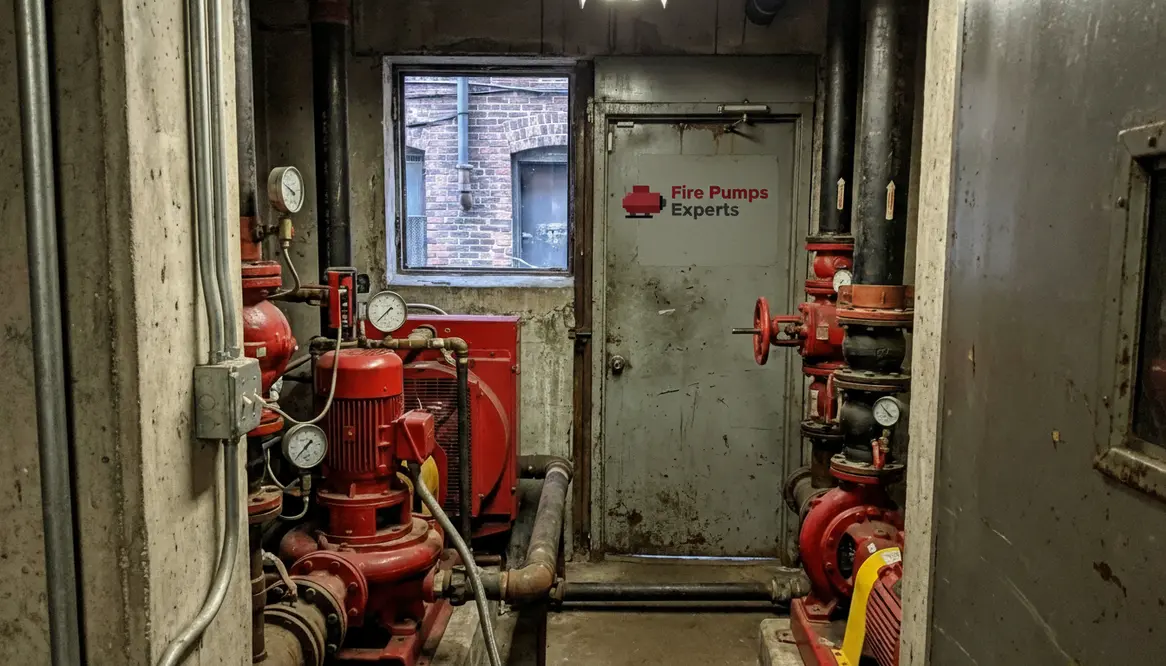
Space is the first challenge that greets me, and it rarely says hello politely. In older commercial and industrial buildings, mechanical rooms were not designed with modern fire pumps in mind. So, I often find myself fitting high capacity equipment into spaces that feel like they were meant for broom closets.
Additionally, water supply variability adds another layer. Municipal systems in dense areas fluctuate, and therefore, I must design with both peak demand and worst case scenarios in mind. It is a bit like planning for rush hour traffic that never quite follows the rules.
Then there is code compliance. New Jersey regulations are strict, and rightly so. However, aligning local codes with national standards while working within physical constraints can feel like trying to park a truck in a compact car space. It can be done, but not without skill and a bit of patience.
How Do I Handle Limited Space in Commercial Pump Rooms?
I start by thinking vertically, because in cities, horizontal space disappears quickly. By stacking components and selecting compact pump designs, I can maximize efficiency without sacrificing performance. Moreover, I carefully plan access routes, because maintenance teams need room to work. A system that cannot be serviced easily is a system waiting to fail.
In addition, I coordinate closely with architects and engineers early in the design phase. This collaboration helps prevent last minute surprises, which, in this field, are about as welcome as a fire alarm during a quiet dinner.
Key Space Strategies
- Vertical equipment stacking
- Compact pump selection
- Shared utility corridors
- Remote monitoring systems
Design Priorities
- Maintenance accessibility
- Code compliance
- Future expansion capacity
- Efficient piping layouts
Water Supply Challenges and Pressure Realities
Water pressure in dense metro areas can be unpredictable. Therefore, I design systems that compensate for both low pressure and sudden demand spikes. Fire pumps must deliver consistent performance, even when the city supply struggles to keep up.
Moreover, I often integrate backup solutions such as on site water storage. This ensures reliability when municipal systems fall short. It is not about expecting failure, but rather preparing for it quietly and effectively.
And yes, sometimes I feel like a weather forecaster predicting conditions that nobody else can see yet. Except instead of rain, I am planning for fire flow demand at 3 AM.
Integrating Retail Fire Protection into High Density Buildings
When I work on retail fire protection systems within large commercial properties, coordination becomes essential. These buildings often combine retail spaces with offices, storage, and even industrial operations. Each area has different fire protection needs, and yet they must function as one unified system.
So, I design with flexibility in mind. Zoning becomes critical, allowing different sections of the building to operate independently while still connected to a central pump system. This approach improves both safety and efficiency.
Furthermore, I pay close attention to tenant turnover. Retail spaces change hands often, and the fire protection system must adapt without requiring a complete redesign each time. Think of it as building a stage that can host many different performances without rebuilding the theater.
Navigating Codes Without Losing Practicality
Codes guide every decision I make, but I do not treat them as obstacles. Instead, I see them as guardrails that keep projects on track. That said, applying them in dense metro environments requires interpretation and experience.
I work closely with local authorities to ensure compliance while maintaining practical design. Communication is key here. A well explained design often gains approval faster than one that simply checks boxes.
And honestly, if codes were a movie genre, they would be a mix of drama and suspense with a surprise twist ending. You think you understand them, and then there is one clause that changes everything.
Technology Is Changing the Game
Modern fire pump systems are smarter than ever. I now incorporate monitoring technology that provides real time data on performance and system health. This allows facility managers to detect issues before they become emergencies.
Additionally, variable speed pumps are becoming more common. These systems adjust output based on demand, improving efficiency and reducing wear. It is like having a car that knows exactly when to accelerate and when to ease off the gas.
As a result, buildings operate more safely and with greater reliability. And in environments where every second counts, that reliability makes all the difference.
Retail Fire Protection Beyond the Sales Floor
The phrase retail fire protection tends to conjure images of sprinklers above aisles and pull stations next to exits, but in high density New Jersey buildings the story is much bigger. Behind every storefront is a chain of back of house spaces, loading docks, storage rooms, and mechanical areas that all lean on the same fire pump infrastructure. If one link is weak, the entire strategy suffers.
That is why I treat each store, corridor, and shared service zone as part of a larger ecosystem. Clear egress routes, properly rated separations, and well coordinated sprinkler zoning turn what could be a patchwork of quick fixes into a cohesive retail fire protection plan that can stand up to real world conditions.
Balancing Performance, Cost, and Retail Expectations
Retail tenants expect clean ceilings, minimal visual clutter, and as little disruption to their layout as possible. Meanwhile, the fire protection system expects properly spaced heads, reliable coverage, and enough support from the fire pump to do its job. Those expectations collide in every ceiling plan review and every last minute fixture change.
The art is in hiding the complexity without weakening it. I work to route mains and branch lines where they stay out of sight but not out of reach. I choose equipment configurations that respect both the budget and the long term reliability of the system. At the end of the day, effective retail fire protection should feel invisible to shoppers but absolutely obvious to inspectors, operators, and first responders.
Fire Pumps as the Backbone of Retail Fire Protection
Every sprinkler head, standpipe outlet, and hose valve in a complex commercial property is only as trustworthy as the pump feeding it. When I review existing buildings, I often find that the retail build outs have changed multiple times while the original pump configuration has barely been touched. That is a warning sign.
Properly sized and tested fire pumps keep the entire network honest. They allow different zones to be tuned to their real demand, support higher density storage when retailers decide to pack more product into less space, and maintain coverage when new mezzanines or display features appear out of nowhere. In short, a sound fire pump strategy is the quiet backbone of dependable retail fire protection in these busy New Jersey corridors.
FAQ
Conclusion
Designing fire pump systems in dense New Jersey metro areas is not just technical work. It is strategic, thoughtful, and deeply tied to the safety of every person in a building. From crowded retail floors to stacked storage rooms and narrow utility corridors, each decision influences how well the system will perform when pressure is on and time is short.
If you are planning a commercial or industrial project, or rethinking how your property handles retail fire protection, I can help you navigate these challenges with confidence and clarity. Reach out today, and together, we will build a system that fits the building, respects the codes, and performs exactly when it matters most.