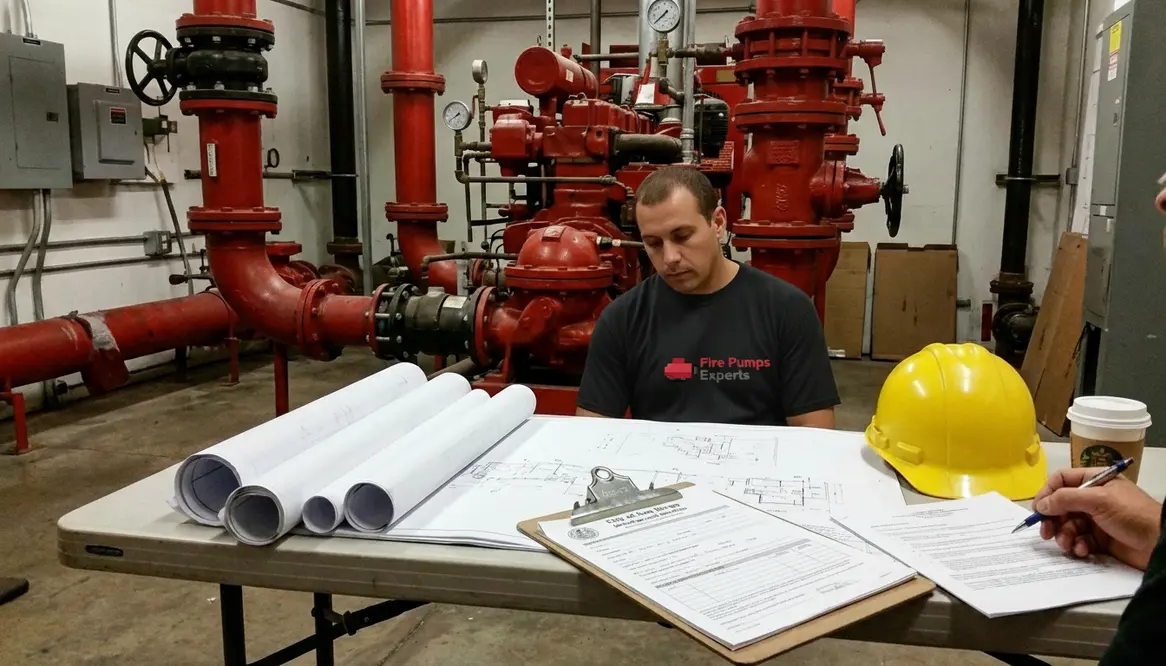
San Diego Fire Pump Permit Inspection Steps and Delays
A practical, in-the-trenches guide for facility managers, developers, and engineers who would rather keep projects moving than argue over submittals in a mechanical room at 6:30 a.m.
I have spent years around commercial fire protection systems, and if there is one thing that always slows a project down, it is confusion about the fire pump permit inspection steps san diego common delays. Large commercial properties, industrial facilities, and high rise buildings depend on fire pumps as the beating heart of their fire protection systems. Yet getting one approved in San Diego can feel like waiting in line at the DMV during a zombie apocalypse. It moves forward, slowly, but only if you know the path.
So today I will walk through the real process. Not the neat version that lives in a policy document. The practical version. The version facility managers, developers, and engineers actually deal with when installing a fire pump in a commercial building. Along the way, I will also point out the most common delays I see and how smart teams avoid them.
How the Fire Pump Approval Journey Begins for Commercial Buildings
Every fire pump installation in San Diego begins with planning and engineering. Before a single bolt is tightened, the system must prove it can deliver the water pressure and flow required for the building’s fire protection system.
Hydraulic calculations set the baseline
First, the design team performs hydraulic calculations. These numbers confirm the pump can support sprinkler systems, standpipes, and other suppression equipment throughout the property. For large industrial buildings or high rise structures, this step becomes critical. A weak design will not survive the review process.
Detailed plans and NFPA 20 alignment
Next, detailed plans are prepared. These plans include pump specifications, controller details, suction and discharge piping, test headers, and electrical connections. The city expects everything to align with the National Fire Protection Association standards, especially NFPA 20.
The “closet” pump room problem
However, this is where I often see the first hiccup. Engineers sometimes design the pump room like it is a closet in a sitcom apartment. Cozy, but not compliant. Fire pumps require proper clearance, ventilation, drainage, and access. Otherwise, the plan reviewer will send the drawings right back.
Therefore, experienced teams always coordinate the pump room early with mechanical, electrical, and fire protection engineers. When everyone collaborates from the start, the permit process moves far more smoothly.
Submitting Fire Pump Plans to the San Diego Fire Authority
Once the design is complete, the plans move into the official review process. This step usually involves both the city building department and the fire authority.
- Stamped engineering drawings
- Hydraulic calculations
- Pump manufacturer data sheets
- Controller specifications
- Electrical diagrams
- Seismic bracing details
After submission, the city begins its review. Plan reviewers examine whether the system meets local amendments and national standards. Meanwhile, they also check that the pump capacity matches the building hazard classification.
Why this review stage feels so slow
Now here is where patience becomes a virtue. Municipal reviews take time. Even the best prepared drawings often return with comments. Sometimes those comments are simple clarifications. Other times they require revised calculations or layout adjustments.
I once saw a set of plans delayed because a test header location interfered with emergency vehicle access. A tiny detail on paper. A major problem in real life. As the saying goes, the devil is in the details. And occasionally that devil carries a red pen.
Fire Pump Permit Inspection Steps San Diego Common Delays During Installation
After the permit is approved, installation begins. This is where contractors transform the drawings into steel, valves, and spinning machinery.
However, the installation phase introduces a new set of challenges. The pump must match the approved plans exactly. Inspectors do not appreciate creative reinterpretations.
Key inspection checkpoints during construction
- Underground fire line inspection
- Pump room layout verification
- Electrical and controller inspection
- Final fire pump acceptance test
Each stage confirms the system meets code before moving forward. If something does not match the permit drawings, inspectors will require corrections before continuing.
And yes, I have watched projects stall because someone installed the wrong pressure relief valve. It looked right. It even felt right. Unfortunately, it was not right.
Therefore, successful commercial projects rely on contractors who specialize in fire protection systems rather than general plumbing. Fire pumps are precision equipment, not decorative plumbing fixtures.
Where Projects Stall: The Most Common Delays I See
Even experienced project teams encounter slowdowns during the fire pump approval process. However, certain issues appear again and again. If you want to stay ahead of the classic fire pump permit inspection steps san diego common delays, it helps to know what usually goes wrong.
Design and documentation issues
- Incomplete hydraulic calculations
- Pump sizing errors
- Missing manufacturer data sheets
- Improper pump room layout
- Conflicts with other building systems
Construction and inspection issues
- Installing equipment different from approved plans
- Electrical coordination problems
- Improper suction piping configuration
- Missing seismic bracing
- Failed acceptance testing
However, the biggest delay I see is simple coordination failure. Fire pumps touch several trades at once. Electrical contractors, fire protection installers, general contractors, and engineers all play a role.
If communication breaks down, the system suffers. Suddenly a pump controller lacks power, the test header has no drainage, or the pump room door swings the wrong way. Small issues, but enough to halt progress.
And inspectors notice everything. Think of them like the Sherlock Holmes of mechanical rooms. Nothing escapes their attention.
Fire Pump Permit Inspection Steps San Diego Common Delays During Final Testing
Eventually the installation reaches the final milestone. The fire pump acceptance test.
This test proves the pump can deliver its rated performance under real conditions. During the procedure, technicians run the pump through multiple flow points while measuring pressure and flow.
What happens during the acceptance test
- Churn test with zero flow
- Flow test at rated capacity
- 150 percent overload test
- Controller operation checks
- Alarm signal verification
Meanwhile, inspectors watch closely as gauges, valves, and controllers perform their roles. If the pump fails to hit required performance levels, the system cannot receive final approval.
And let me tell you something from experience. Few sounds in construction are as dramatic as a massive diesel fire pump roaring to life inside a concrete room. It feels like standing next to a rocket engine that decided to work in building safety instead of NASA.
Fortunately, when the test passes, the system becomes officially approved. At that moment, the building gains a powerful layer of protection for occupants, assets, and operations.
How Commercial Property Teams Avoid Permit and Inspection Bottlenecks
Over time, I have learned that successful projects follow a few simple principles. They treat the fire pump process as a coordinated engineering effort rather than a last minute installation.
Proactive habits of teams that avoid delays
- Hire engineers with deep fire protection experience
- Coordinate pump room design early in the project
- Verify equipment matches approved specifications
- Schedule inspections well in advance
- Conduct internal pre tests before official acceptance testing
Additionally, experienced contractors often run a full system check before inspectors arrive. That way any surprises appear early instead of during the official test.
Think of it like rehearsing before opening night on Broadway. The audience only sees the polished performance. The practice behind the curtain makes it possible.
A quick way to strengthen your fire pump strategy
If you want to see how experienced specialists think about pump layout, suction piping, and code alignment, take a look at Kord Fire’s guidance on fire pump suction and room design at this fire pump room clearance and ventilation guide. It is an easy way to compare your in-house approach to what seasoned fire protection teams implement on complex projects.
FAQ: Fire Pump Permits and Inspections in San Diego
Keeping Your Fire Pump Project Moving Forward
When commercial buildings understand the permit and inspection path early, the entire process moves faster and smoother. The key is preparation, coordination, and working with professionals who understand large scale fire protection systems inside and out. The more your team anticipates the typical fire pump permit inspection steps san diego common delays, the easier it becomes to engineer around them.
If your facility is planning a fire pump installation, upgrade, or inspection in San Diego, working with experienced specialists can prevent costly delays. The right guidance keeps your project compliant, your timeline intact, and most importantly, your building protected when it matters most.