Saudi Civil Defence Fire Pump Compliance Guide
When I look at a commercial tower, a factory floor, or a major property building, I never see just steel, glass, and concrete. I see risk, response, and responsibility. That is where Saudi Civil Defence compliance steps in, and it matters most when the fire pump system has to work without drama. No one wants a pump to act like a diva during an emergency. In this guide, I will walk through what I check, why it matters, and how I keep a fire pump system ready for Saudi Civil Defence approval in commercial and industrial facilities.
For major buildings, I treat the fire pump as the backbone of the protection system. If that backbone fails, everything from sprinklers to hydrants can struggle when they should be performing at their best. A calm, predictable response is the goal, not a surprise performance under pressure.
Saudi Civil Defence Fire Pump Basics for Major Buildings
I start with the role of the fire pump itself. It boosts water pressure so sprinklers, hydrants, and hose reels can do their job fast. In large buildings, weak pressure can turn a serious event into a disaster, and that is not the kind of plot twist anyone wants.
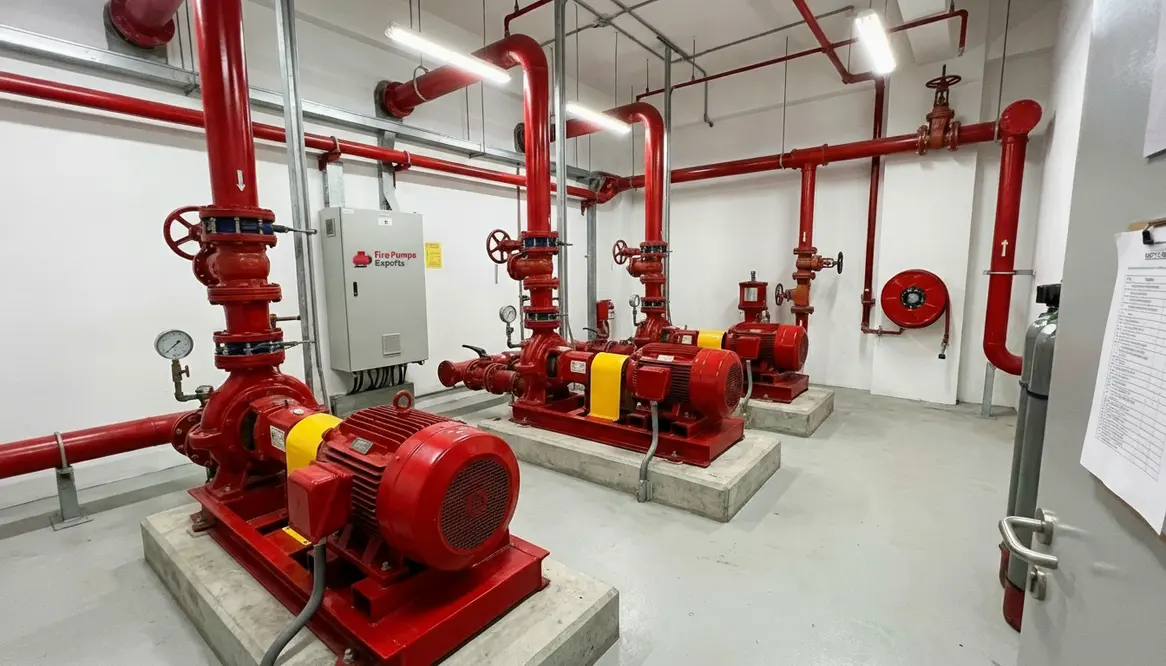
For Saudi Civil Defence compliance, I focus on the pump as part of the full fire protection system. That means I review the pump room, water source, controller, power supply, and testing setup together. If one part fails, the whole chain weakens. Therefore, I never treat the pump as a stand alone machine.
What I Check Before Civil Defence Review
Before any inspection, I make sure the system matches the approved design. I confirm pump capacity, duty and standby setup, suction conditions, and discharge pressure. I also check that the pump room stays clean, dry, and easy to access. Dust, clutter, and blocked access can ruin an otherwise solid setup. Even the best pump cannot save a room that looks like it lost a fight with a warehouse.
I also verify that the following items are in place:
- Correct pump sizing for the building risk level
- Reliable power supply and backup power where required
- Clear labels on valves, controllers, and test lines
- Proper drainage and ventilation in the pump room
- Up to date drawings, test reports, and maintenance logs
After that, I compare site conditions with the approved civil defence documents. This step saves time, because mismatched details often slow approval more than actual equipment faults do.
How I Test Fire Pump Performance
Testing tells the real story. A pump may look ready, but numbers do not lie. I run performance tests to confirm pressure, flow, and start up response. I also check automatic start functions, jockey pump operation, and alarms. If the pump hesitates, I treat that as a warning, not a quirky personality trait.
For stronger Saudi Civil Defence compliance, I keep test results clear and repeatable. I record suction pressure, discharge pressure, flow values, and run times. Then I compare the results to the approved design and the required standard. If readings drift, I investigate the cause right away. Sometimes the issue is simple, like a valve position. Sometimes it is more serious, like pump wear or air in the line.
Two key test areas I focus on
Flow and pressure
I confirm the pump delivers enough water at the needed pressure.
Automatic start
I make sure the pump starts fast when system pressure drops.
Power transfer
I test changeover behavior so backup power steps in smoothly.
Alarm signals
I check that fault and run alarms reach the right monitoring point.
Because fire pump systems protect large assets, I repeat tests on a planned schedule. That way, I catch weak spots before they become expensive headlines.
Common Mistakes That Delay Saudi Civil Defence Approval
I see the same mistakes again and again. First, some sites install equipment that looks right but does not match the approved design. Second, some teams skip routine maintenance and then wonder why the pump sounds like it is auditioning for a horror film. Third, some projects leave documents unfinished, missing, or outdated.
I also find issues with poor labeling, blocked access, and weak coordination between contractors and facility teams. These problems may seem small, but they can delay approval fast. Therefore, I always advise teams to treat documentation and site readiness with the same care as the pump itself. In Saudi Civil Defence compliance, the paperwork and the hardware need to tell the same story.
For commercial and industrial sites, I also pay close attention to risk changes. If the building expands, changes use, or adds storage load, the fire protection system may need review. A warehouse today may become a much bigger fire risk tomorrow.
How I Keep the System Ready All Year
Long term readiness depends on discipline. I build a simple routine that covers weekly checks, monthly inspections, and full annual testing. I inspect valves, gauges, controllers, fuel levels where relevant, and battery health. I also confirm that the pump room remains clean and that no one has turned it into a storage closet. That happens more often than people admit.
Then I keep service records in one place. Clear logs help me prove that the system stays in good shape and supports Saudi Civil Defence compliance during review. If a fault appears, I repair it quickly and retest the system. That approach protects the building, the people inside it, and the business operations that depend on uninterrupted safety readiness.
For facility owners, this is not only about passing an inspection. It is about making sure the system works when pressure rises in the real world, not just on paper. If you want more technical background on fire pump standards and best practice, references from sites such as https://firepumps.org can support a clearer conversation with your engineering team while still keeping the focus on Saudi Civil Defence compliance requirements.
FAQ
Bringing it all together
I can help you prepare your commercial or industrial fire pump system with confidence, from design review to testing and documentation. If you want a smoother path to Saudi Civil Defence approval, I recommend starting with a full system audit now. That way, you fix problems early, protect your building, and avoid last minute fire drill chaos. Reach out, and I will help you make the system ready, reliable, and fully aligned with the standards that matter most.