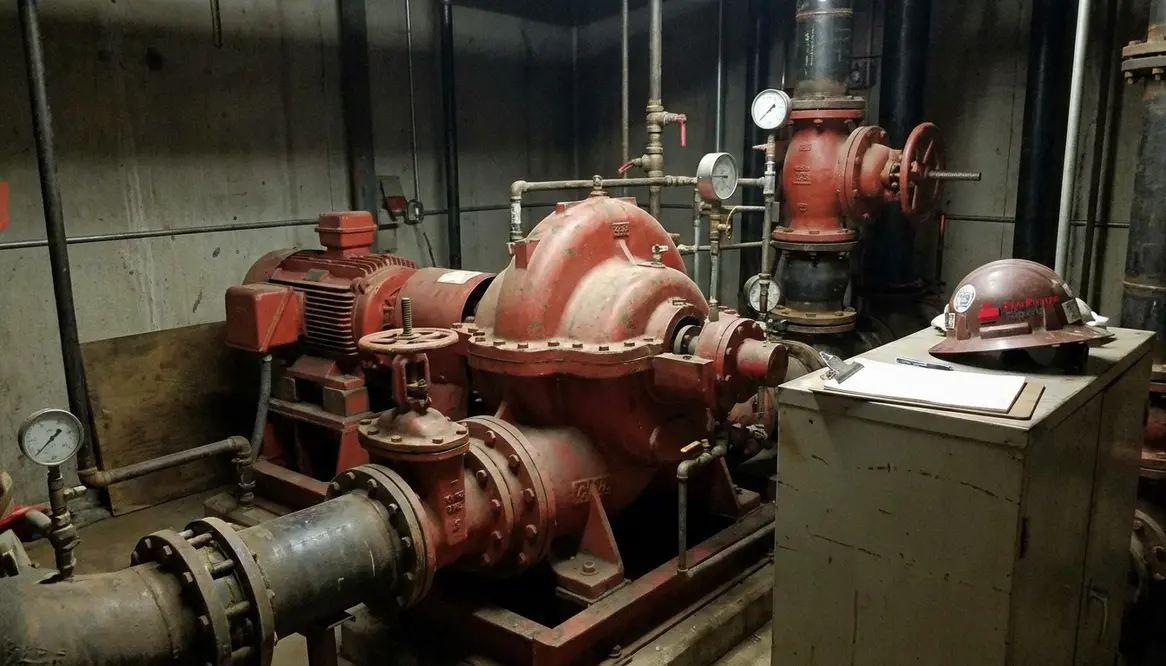
Split Case Fire Pump Replacement Cost Guide
I have spent enough time around mechanical rooms to know one truth. Nothing gets attention faster than a fire pump that refuses to cooperate. And when we start talking about split case fire pump replacement cost, the room gets very quiet, very fast. Commercial and industrial property owners do not just want numbers. They want clarity, timing, and a plan that does not feel like a plot twist from a disaster movie.
So let me walk you through it. Calmly. Clearly. With just enough humor to keep us both awake.
What Drives Split Case Fire Pump Replacement Cost in Large Facilities
First things first, not all replacements are created equal. In fact, the final number depends on several moving parts, and yes, they all matter.
For starters, pump size and capacity play a leading role. A high rise building or industrial plant demands far more power than a modest facility. Naturally, that drives costs upward. Then, there is the motor type. Electric motors tend to be simpler, while diesel engines bring added complexity, fuel systems, and ventilation requirements.
Now, here is where it gets interesting. Installation complexity can quietly double your budget. If your existing system fits like an old suit, the replacement may be straightforward. However, if piping needs rework or the foundation needs adjustment, the meter starts running.
And let us not forget compliance. Fire codes evolve. What passed inspection ten years ago might not pass today. So upgrades to controllers, alarms, or monitoring systems often come along for the ride.
In short, the cost is not just about the pump. It is about everything connected to it, like a supporting cast that refuses to work for free.
How Much Should I Expect to Pay for a Replacement?
Let me give it to you straight. Most commercial properties see replacement costs ranging from tens of thousands to well into six figures. Yes, that range is wide, but there is a reason.
A basic replacement with minimal modifications might stay on the lower end. However, once you add demolition, system upgrades, and code compliance, the number climbs quickly. Think of it like ordering coffee and somehow leaving with a full breakfast.
Moreover, labor costs vary by region and project difficulty. Facilities in dense urban areas often face higher installation expenses due to access challenges and stricter regulations.
Still, the smartest approach is not chasing the lowest number. It is understanding what is included. A cheaper quote that skips critical upgrades can cost more later. And nobody enjoys a sequel where the pump fails again.
Smart Factors That Influence Long Term Value
Now we shift from cost to value, because they are not the same thing. A well planned replacement can actually reduce operational headaches for years.
Energy efficiency stands out immediately. Modern split case pumps often run smoother and consume less power. Over time, that adds up in a way your utility bill will politely remind you.
Reliability is another quiet hero. New systems reduce downtime and emergency repairs. And let me tell you, emergency repairs tend to arrive at the worst possible moment, like an uninvited guest who eats everything in your fridge.
Additionally, improved monitoring systems give facility managers better visibility. You can catch small issues before they turn into expensive surprises.
Short Term Cost Drivers
- Equipment price
- Installation labor
- Code upgrades
- Downtime impact
Long Term Value Gains
- Energy efficiency
- Reduced maintenance
- System reliability
- Compliance confidence
When you look at both sides, the investment starts to make a lot more sense.
When Is the Right Time to Replace Instead of Repair
This is where experience speaks louder than spreadsheets. If your pump needs constant repairs, that is not maintenance. That is a warning sign.
Typically, once repair costs begin stacking up year after year, replacement becomes the smarter move. Also, if parts are hard to find or the system struggles to meet current fire codes, waiting only increases risk.
Another key signal is performance inconsistency. If your pump cannot maintain required pressure or flow, it is not doing its job. And in fire protection, close enough is not good enough.
In many cases, facility managers find guidance through trusted resources like commercial fire pump system experts, which help align decisions with compliance and operational goals.
Planning a Replacement Without Disrupting Operations
Now here is the part everyone worries about. Downtime. Because in commercial and industrial settings, time is money, and sometimes a lot of it.
Fortunately, careful planning can reduce disruption significantly. Phased installation strategies allow portions of the system to remain active while work progresses. Temporary fire protection measures can also keep facilities compliant during the transition.
Communication plays a big role here. Coordinating with contractors, inspectors, and internal teams ensures fewer surprises. And fewer surprises mean fewer headaches.
Think of it like choreography. When everyone knows their steps, the performance goes smoothly. When they do not, well, it looks like a rehearsal gone wrong.
FAQ About Split Case Fire Pump Replacement
Before calling for quotes, it helps to understand how split case fire pump replacement cost connects to your schedule, your fire strategy, and your long term maintenance plans. A clear grasp of the basics makes every conversation with contractors far more productive.
Final Thoughts and Your Next Move
At the end of the day, understanding split case fire pump replacement cost is not just about numbers. It is about protecting your building, your people, and your operations. If your system shows signs of age or struggle, now is the time to act. Reach out to experienced professionals, get a detailed assessment, and move forward with confidence. Because when it comes to fire protection, waiting is one gamble you do not want to take.
Treat split case fire pump replacement cost as a strategic project instead of a last minute emergency expense. With the right planning, you can upgrade reliability, tighten compliance, and make your mechanical room a little less dramatic when the alarms start testing.