Standpipe Fire Pump Capacity and System Test
What Technicians Evaluate When a Building Adds a New Standpipe
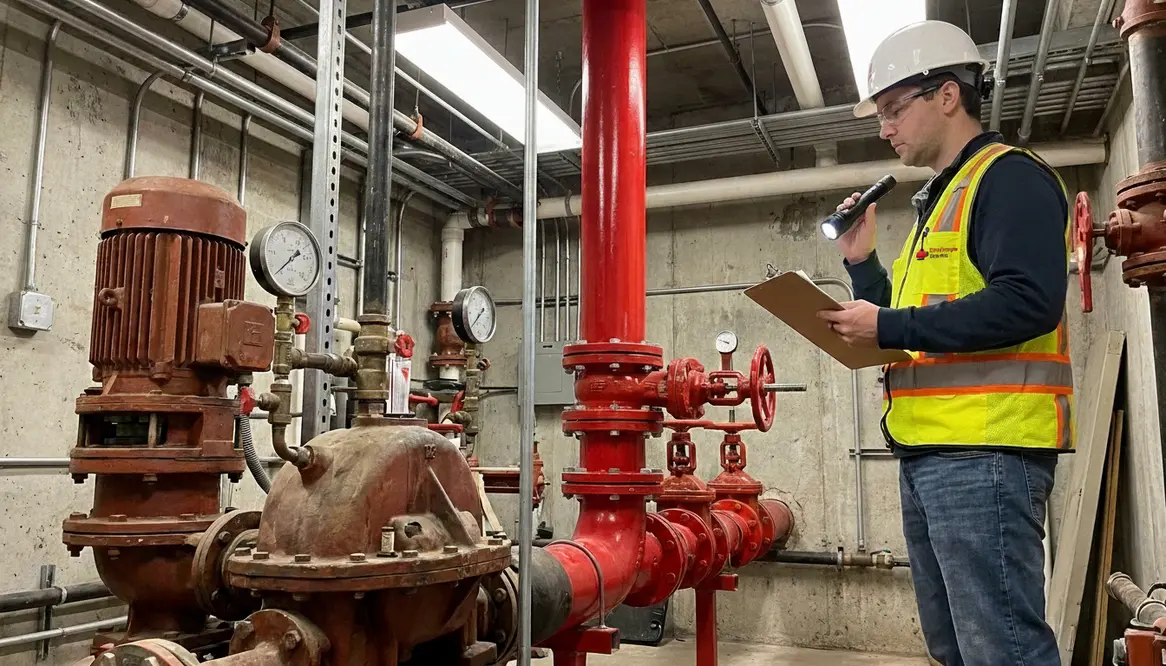
When I step into a commercial tower, a warehouse, or a major property with a new standpipe, I look at more than pipes and fittings. I look at whether the whole fire protection system can do its job when the pressure is on, and I do mean pressure in the literal sense. If a building asks, can existing fire pump support new standpipe, I do not guess. I test, measure, and compare the system against the building’s real needs. That answer shapes safety, cost, and compliance, so it deserves a careful eye and a calm head. Luckily, this is not rocket science. It is more like plumbing with a badge and a very serious clipboard.
What I check before a standpipe goes in
First, I study the building use, height, floor count, and fire risk. A standpipe in a low rise office building does not face the same demands as one in a high rise medical tower or a large industrial site. Next, I review the water supply, the fire pump data, and the current demand on the system. I want to know if the existing pump can keep up once the new standpipe joins the load. If the pump already runs near its limit, the system may need an upgrade. If you want a clear path, I also compare the layout with guidance from los angeles fire pump support and design so I can match the system to the building’s real pressure needs.
Then I look at code needs, riser paths, valve locations, and access points. In simple terms, I check whether the standpipe can serve the building without turning maintenance into a scavenger hunt worthy of an action movie. I also confirm that the system parts work together, because one weak link can spoil the whole chain.
How I test fire pump support and water demand
Water flow and pressure tell the real story. I test the fire pump to see how it performs at different demand levels. I also check residual pressure, suction supply, and the way the pump responds when the standpipe opens. If the pressure drops too fast, the system may not protect the upper floors well enough.
In many commercial and industrial buildings, the new standpipe changes the demand curve. That means the pump may still work, but not work well enough. There is a big difference between “it runs” and “it performs.” Your fire protection system should aim higher than a background extra in a sitcom.
I also review pump curves, control settings, and any signs of wear. If the pump has old parts, low output, or weak startup response, I flag it fast. In a large property, a small delay can matter. For that reason, I often use a broader system review alongside the pump check. The team at commercial electrical and fire system support can also help when power and control issues affect fire equipment performance.
When needed, I compare the current setup with regional fire service options like industrial sprinkler and standpipe services to better understand how the system should function in a larger facility setting.
Can existing fire pump support new standpipe in a major property?
Sometimes yes, sometimes no. I decide by looking at capacity, pressure, and redundancy. If the existing fire pump can supply the added standpipe while still meeting the rest of the building’s fire demand, then the pump may stay in place. However, if the new standpipe pushes the system past safe limits, I recommend an upgrade or redesign.
I also consider the building’s height and the number of hose connections the standpipe must serve. A taller building often needs more pressure. A larger industrial property may need a stronger flow path. So, while the pump may look fine on paper, the standpipe can reveal hidden stress in the system. That is why I never treat this step like a checkbox exercise.
What details matter most during the inspection
At this stage, I focus on the parts that usually cause trouble. I check valve size, pipe routing, support spacing, and connection access. I inspect the fire department connection, because responders need a clear way to boost the system if needed. I also verify that labels, signs, and floor controls are easy to read and reach.
Next, I review how the standpipe fits into the rest of the fire protection setup. If the building already has sprinklers, alarms, or pumps that serve other zones, I make sure the new standpipe does not create conflicts. Transitioning from design to real use often exposes problems that drawings hide. That is why I keep my eye on both the big picture and the small details. A loose fitting may seem minor, but in fire protection, small things love to become big drama.
Why final coordination matters before approval
Before I sign off on a new standpipe, I coordinate with the engineer, contractor, and building owner. I confirm that the installation matches the design and that the system can pass testing. I also make sure maintenance teams understand shutoff points, test routines, and inspection needs. A system that nobody knows how to use is like a superhero with no costume. It may exist, but it is not ready for prime time.
Clear coordination also helps avoid rework. That saves time, reduces cost, and protects the building from delays. In commercial and industrial facilities, that matters because downtime is expensive and risk does not wait for a convenient calendar slot.
FAQ
Call to action
If your building plans a new standpipe, I recommend a full system review before work moves forward. That one step can save time, cut surprises, and protect the property when it matters most. I can help you check pump capacity, pressure, and system fit with a clear, practical eye. Reach out now, and let us make sure your standpipe project supports the building instead of stressing it. Strong protection starts with the right test, not wishful thinking.