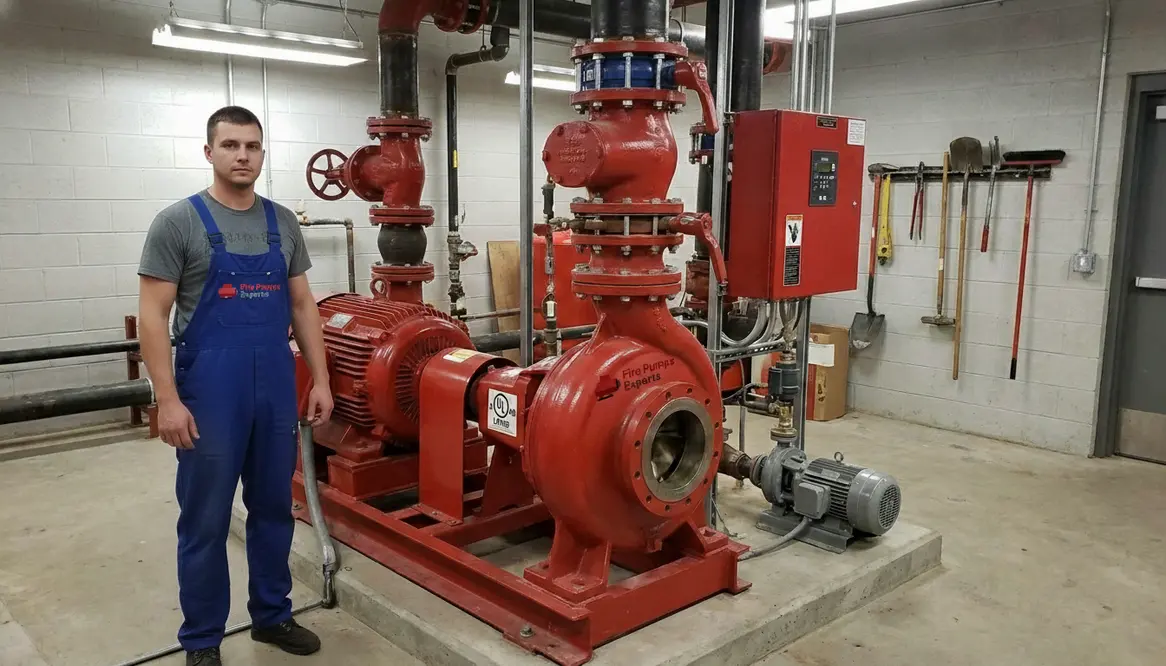
UL Fire Pump Components Explained for Buildings
UL Listed Fire Pump Components Explained
When I talk about life safety in a commercial or industrial building, I always start with the UL fire pump. It sits there like the quiet hero in a disaster movie, doing the hard work while everyone else hopes never to meet the plot twist. In a major property, this equipment helps keep sprinkler systems supplied with the pressure they need when water demand spikes. So, if you manage a warehouse, plant, high rise, or another large facility, it pays to know what each part does and why UL listing matters. I will break it down in plain language, because nobody needs fire protection to sound like a tax form.
What UL Listing Means For A Fire Pump
UL listing tells me the pump and its key parts passed strict testing for safety and performance. That matters because a UL fire pump must do its job under stress, not just look good on paper. In commercial and industrial buildings, fire systems often face long pipe runs, high water demand, and tough operating conditions. Therefore, the UL mark gives building owners, engineers, and facility teams more confidence that the equipment will perform as expected.
Also, UL listing helps reduce guesswork during design, inspection, and maintenance. I see it as a kind of stamp that says, “Yes, this part belongs in a serious fire protection setup.” And honestly, when the stakes are this high, I prefer stamps to surprises.
Main UL Fire Pump Parts At A Glance
Below, I break the core components into a simple view so you can see how the system fits together.
Component
Pump casing
Impeller
Shaft
Bearings
Packing or mechanical seal
Suction and discharge flanges
Pressure relief valve
Controller
Jockey pump
What It Does
Holds the water path and supports internal pressure during operation.
Moves water through the pump and creates the needed pressure boost.
Transfers power from the driver to the impeller.
Help the shaft spin smoothly and reduce wear.
Limits water leakage around the shaft area.
Connect the pump to the water supply and system piping.
Protects the pump and piping from excess pressure.
Starts and monitors pump operation during a fire event.
Maintains normal system pressure so the main pump does not start for small drops.
The Pump Body And Water Path
The pump body, or casing, forms the shell that holds the moving water. Inside, the impeller does the heavy lifting. It spins fast, pulls water in, and sends it out with greater force. That sounds simple, but it is the same basic idea that powers many systems where flow and pressure matter. In a UL fire pump, the casing and impeller must work as a matched pair. If the parts do not align well, the system loses efficiency, and nobody wants that kind of drama in a critical building.
Next, the suction side brings water into the pump, while the discharge side sends it into the fire protection network. Because large properties often have complex pipe layouts, these connections must stay tight and correctly sized. Otherwise, the pump may not deliver the pressure the system expects when demand rises.
How The Driver And Controller Keep The System Alive
The driver gives the pump its power. In most commercial and industrial systems, that driver may be electric or diesel driven. The controller then acts like the brain with good manners. It watches pressure, starts the pump when needed, and keeps records of what happened. In other words, it does the thinking so the pump can do the sweating.
For a facility owner, this matters because a pump is only as reliable as the controls behind it. A UL listed controller adds another layer of trust. It helps ensure the pump starts correctly and responds fast when the system pressure drops. Also, it supports routine testing, which keeps the building team from finding problems at the worst possible time. Fire protection likes timing. Bad timing belongs in sitcoms, not in pump rooms.
Why Seals, Valves, And Jockey Pumps Matter
Small parts often carry big responsibility. Seals help reduce leakage where the shaft exits the casing. If they fail, the pump wastes water and may wear faster. Bearings also matter because they keep movement smooth and stable. Without them, the machine can shake, heat up, and turn a serious asset into an expensive lesson.
Then there is the pressure relief valve. It protects the system from pressure that climbs too high. That is important in larger facilities where pressure changes can happen fast. The jockey pump also plays a key role. It keeps the system pressure steady during minor drops, so the main pump does not kick on for every tiny fluctuation. That saves wear and keeps the system calm. A little peace, even in a pump room, goes a long way.
What I Check During Inspection And Maintenance
When I inspect a UL fire pump, I focus on signs that the system can still perform under real load. I look at the controller, pressure levels, seals, valves, bearings, and visible leaks. I also check whether the pump starts on command and whether the jockey pump holds the line steady.
Just as important, I review the condition of the room itself. Heat, poor access, and clutter can all affect performance and service work. For commercial and industrial buildings, a clean pump room supports faster response and easier maintenance. If you want a deeper look at how professional fire protection support fits into major property needs, I recommend reviewing commercial fire pump solutions for major properties. It is a solid place to start when planning or upgrading your system.
Putting The UL Fire Pump In Context
In the background of every code-compliant sprinkler system in a large building, the UL fire pump sits ready to turn normal city or tank pressure into the high flow the sprinklers demand. Each component, from the casing and impeller to the controller and jockey pump, exists to make sure that when alarms sound and valves open, water shows up at the right pressure and volume.
FAQ
Conclusion
If you manage a commercial or industrial property, I urge you to treat your fire pump system like the critical asset it is. Every UL listed component plays a part in keeping pressure steady and response fast when seconds matter. So, do not wait for a problem to introduce itself like an uninvited guest. Review your system, verify each part, and schedule expert support now. A well maintained pump room protects people, property, and peace of mind.