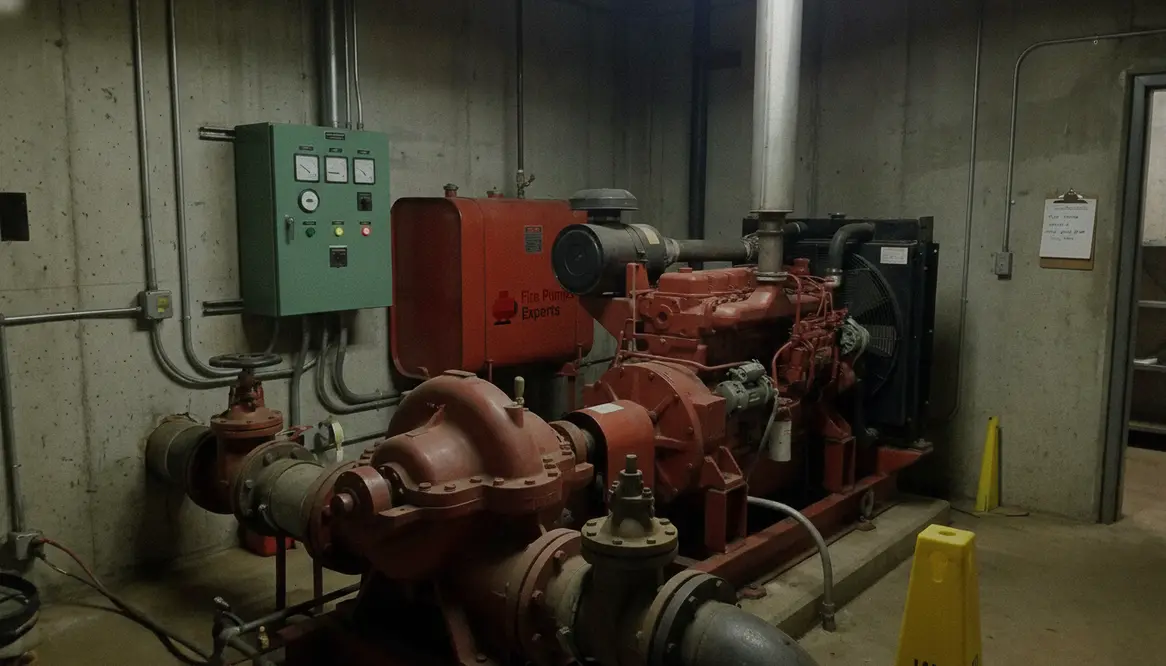
UL FM Diesel Fire Pump Requirements Guide
UL/FM Diesel Fire Pump Requirements Explained
I have seen a lot of people treat fire pumps like background equipment, the quiet box in the corner that only matters on a very bad day. Yet when a commercial tower, industrial plant, or major property building needs water fast, the diesel fire pump steps into the story like the final act in a good action movie. In this guide, I will break down UL/FM diesel fire pump requirements in plain language, with a focus on what matters for real commercial and industrial use. And yes, I will keep it useful, because nobody wants a safety article that reads like a tax form.
Why UL/FM diesel fire pump requirements matter
First, I want to be clear: UL and FM approval is not just a nice badge on the label. It tells me that the pump, engine, controller, and related parts meet strict standards for fire protection performance. For a commercial facility, that matters because a fire pump is not there to look impressive during an inspection. It exists to deliver reliable pressure when the sprinkler system needs help. In other words, it must work when everything else is having a terrible day.
UL and FM standards also help reduce guesswork. They guide the design, testing, installation, and operation of the diesel fire pump so the system can support life safety and property protection. That is why owners of warehouses, manufacturing sites, high rise buildings, and large campuses should treat compliance as a core part of the project, not a side quest. In many cases, that means selecting a UL/FM diesel configuration from the start rather than trying to retrofit compliance later.
What a UL/FM diesel fire pump must include
Here is the short version: the system must be built as a complete fire protection package, not a collection of random parts. The pump, diesel engine, controller, fuel supply, cooling method, batteries, exhaust system, and enclosure must all work together. If one part is weak, the whole setup loses trust faster than a TV reboot in a season finale.
Key components and expectations
- A listed fire pump assembly approved for fire service use
- A diesel engine sized to handle the pump demand
- An automatic controller with proper starting and monitoring functions
- Reliable fuel storage and fuel day tank setup
- Battery charging and starting power that can support repeated starts
- Proper ventilation, cooling, and exhaust routing
- Secure room layout with easy access for inspection and service
When a system is built as a UL/FM diesel package from the beginning, these pieces are matched and tested as a unit, which is exactly what you want when the sprinklers call for backup.
How I size the pump and engine
Starting with water demand
I always start with the water demand, because that tells the whole story. The pump must meet the required flow and pressure for the fire protection system. Then I check the engine curve and make sure the diesel prime mover can support the pump across the expected operating range. This part matters because an undersized engine can cause poor performance, and that is not something you want to discover during an emergency.
Matching the building and hazard
Also, I look at the site conditions. A tall building may need different pressure support than a large warehouse. Meanwhile, an industrial site may need stronger durability because heat, dust, and continuous use can push equipment harder. So, the right sizing process always starts with the building use, the hazard level, and the system design. I like to think of it as the difference between wearing sneakers and boots. Both cover feet, but only one belongs on the jobsite.
Done properly, sizing locks in a UL/FM diesel setup that actually delivers the pressure and flow the design team expects, both on paper and in the real world.
UL/FM diesel fire pump room design checklist
This is where the install either gets serious or gets messy. The fire pump room must support access, service, and safe operation. I want enough space for inspection, maintenance, and replacement of major parts. I also want the room laid out so technicians can reach the controller, engine, valves, batteries, and fuel components without gymnastics worthy of an awards show.
Dual column guide for room essentials
Must Have
Clear access to all equipment
Proper lighting and ventilation
Drainage that handles leaks or test water
Secure power and control wiring
Should Avoid
Tight corners that block service
Shared storage that crowds the pump room
Heat buildup from poor airflow
Long fuel runs without protection
In addition, the room should stay clean and free of unrelated storage. I know, it sounds obvious, but pump rooms sometimes turn into accidental storage closets. That move is about as helpful as putting a sofa in front of an emergency exit.
Fuel, starting, and testing rules that keep it ready
Diesel fire pumps need dependable fuel and dependable starts. I make sure the fuel system can support the engine for the required run time, and I check the tank arrangement for protection and access. The batteries must also stay charged and ready, since the engine has to start without delay. A pump that looks ready but fails to start is just expensive décor.
Testing matters just as much. UL/FM systems need routine inspection and performance testing so owners can catch problems early. I look for engine cranking health, fuel condition, battery voltage, cooling performance, and pump output. Then I compare the results to the expected values. That way, the team can fix small issues before they become big ones. For commercial and industrial facilities, this step is not optional. It is the difference between confidence and crossed fingers.
For a deeper look at fire pump standards and compliance guidance, I recommend reviewing this UL/FM fire pump compliance resource for commercial properties. Resources like that help confirm that your chosen UL/FM diesel arrangement lines up with current codes and insurance expectations.
Putting UL/FM diesel fire pump requirements into practice
From design table to pump room floor
Translating requirements from drawings into real equipment means watching details. The suction piping, discharge header, fittings, gauges, and valves all need to match the listed configuration. A beautiful specification does nothing for you if the actual pump room ignores the layout, ventilation, or access clearances that the standard expects.
That is why many owners lean on experienced contractors and service providers who work with UL/FM diesel fire pump systems every week. Familiarity with the quirks of controllers, starting sequences, weekly testing routines, and sprinkler demand curves tends to show up later as smooth inspections and fewer surprises.
Conclusion
If you manage a commercial facility, industrial plant, or major property, I urge you to treat UL and FM fire pump compliance as a priority, not an afterthought. The right diesel fire pump protects people, limits damage, and keeps your operation ready when pressure drops and risk rises. If you want a system that stands up to inspection and real world demand, now is the time to review your design, testing plan, and room setup with a qualified fire protection partner. A well planned UL/FM diesel fire pump installation is one of the few pieces of equipment you hope never has to perform at full capacity, but you will be very glad it is ready if the day ever comes.