UL Fire Pump Equipment Guide for Commercial Safety
How I choose, inspect, and trust a UL fire pump when real pressure shows up.
UL listed fire pump equipment at the heart of protection
UL Listed Fire Pump Equipment Guide
When I talk about fire protection for commercial and industrial facilities, I start with the UL fire pump because it sits at the heart of the system when water pressure needs to do more than just show up and hope for the best. In a large warehouse, a manufacturing plant, or a major property building, the right pump can make the difference between control and chaos. And yes, that sounds dramatic, but fire protection tends to ignore subtlety. In this guide, I will walk through what UL listed equipment means, why it matters, and how to choose the right setup without getting lost in a maze of specs, labels, and glossy sales talk.
Why this guide matters for commercial safety
In big buildings, the margin for error shrinks fast. A correctly matched UL fire pump supports higher water demand, complex piping, and real evacuation timelines, instead of just checking a box on a plan set.
Think of this as a practical tour through what “UL listed” truly brings to the table, how to read the system around the pump, and what to question before anyone signs off on a package.
What UL listing means for fire pump equipment
UL listing tells me the equipment has been tested to meet strict safety and performance standards. That matters because fire pumps do not get a second chance on the day they are needed. A UL listed pump helps confirm that the unit can support fire protection demands in serious facilities where code compliance and reliability are not optional. It also gives owners, engineers, and facility managers a clear benchmark. In plain terms, it says, “This gear has gone through the wringer, and it held up.”
For commercial and industrial sites, this matters even more. These buildings often have wide floor plans, tall storage racks, complex piping, and higher water demand. So, I always advise looking beyond the nameplate and checking the full system design. The pump, driver, controller, and accessories all need to work together. Otherwise, you end up with a strong motor paired with weak support, which is like putting superhero boots on a chair.
How I choose the right UL fire pump setup
I start with three things: building size, water supply, and fire protection demand. First, I look at the facility type. A distribution center needs different pressure support than a high rise or a process plant. Next, I check the water source. If the water supply is weak or unstable, the pump has to make up the gap. Then I review the required flow and pressure so the system can deliver the needed output during an emergency.
Here is the simple truth: the wrong pump can create bigger problems than no pump at all. If the unit is too small, it will not keep up. If it is too large, it may waste energy and raise wear. So, I focus on a balanced match between the site and the equipment. That balance protects people, property, and the budget, which is a nice little trio when it happens.
Key parts I inspect before I approve equipment
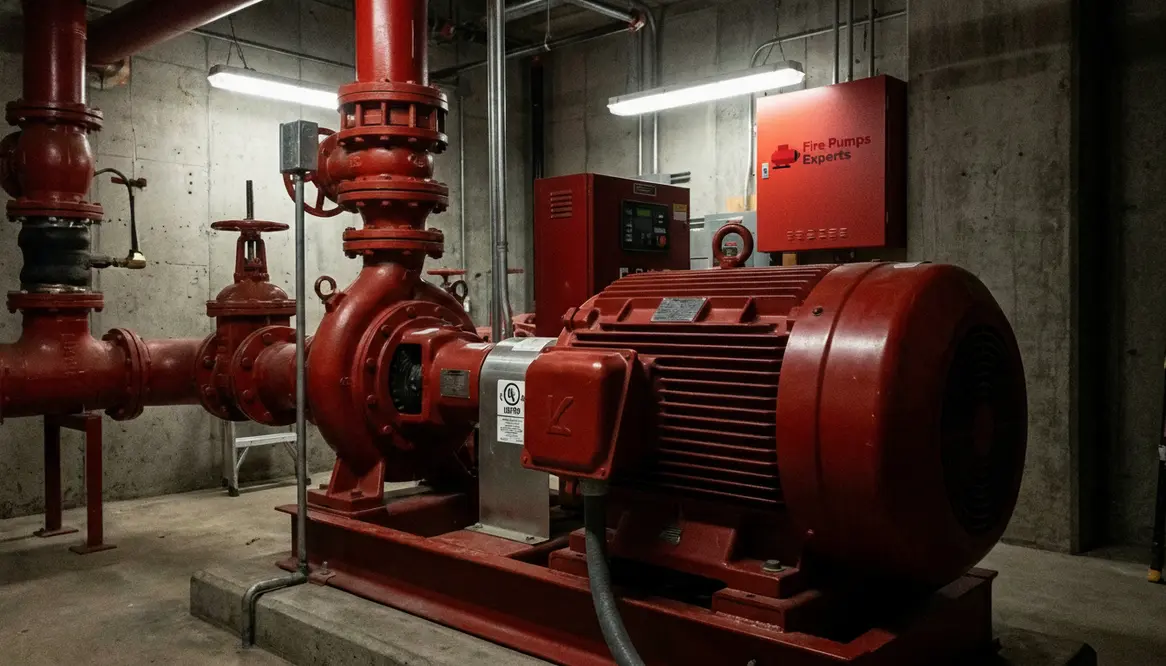
Before I sign off on a fire pump package, I check the major components closely. The pump itself matters, of course, but so do the parts around it. A strong system needs the right driver, controller, valves, pressure settings, and testing tools. If one piece falls short, the whole setup can feel it.
| Component | Why I check it |
| Pump body | It must handle the needed flow and pressure |
| Driver | It powers the pump and must match the system design |
| Controller | It starts and monitors the pump during use |
| Valves and fittings | They keep water moving the right way without leaks |
| Test equipment | It helps confirm the system still performs as expected |
Also, I always look at service access. If technicians cannot reach parts easily, maintenance turns into a full time detective story. And nobody needs that kind of drama in a plant room.
Why UL fire pump compliance helps major properties
Compliance does more than satisfy an inspector. It helps reduce risk, support insurance needs, and protect a facility’s long term value. In major commercial buildings, fire protection systems often sit behind the scenes until the worst moment arrives. That is exactly why I value proven equipment. When systems meet recognized standards, building owners gain more confidence, and teams can respond faster with less guesswork.
For anyone managing a large site, compliance also supports planning. It gives engineers and property managers a common language. Instead of arguing over opinions, they can work from tested requirements and documented performance. That creates smoother projects, fewer surprises, and fewer late night “why is this alarm flashing” moments. I have seen enough of those to know they age a person fast.
Where I find trusted support and reference material
When I need a reliable starting point, I look for industry sources that focus on commercial and industrial fire protection. For a helpful industry overview, I recommend the commercial fire pump resource from firepumps.org, especially when the goal is to support major property buildings and large facilities. A good reference helps me compare equipment, understand service needs, and stay aligned with practical requirements instead of chasing shiny sales language.
That said, I never rely on one source alone. I review the building plans, the water supply data, the protection goals, and the inspection needs together. Because in this line of work, the best answer usually lives where design meets real world use. A UL fire pump that looks perfect on paper still has to earn its keep in the field.
Over time, the patterns become clear: consistent testing, practical layouts, and accessible components do more for safety than any flashy feature list. That is where the value of a properly chosen UL fire pump really shows up.
Quick snapshot: where the UL fire pump fits in the big picture
- Acts as the backbone of water pressure when the normal supply cannot keep up.
- Supports sprinklers, standpipes, and sometimes special systems in one integrated layout.
- Relies on a matched driver and controller to actually start, run, and keep records when it is called on.
- Needs valves, test connections, and clear access so inspections do not turn into heroic rescue missions.
FAQ
Conclusion
If you manage a large commercial or industrial property, I urge you to treat fire pump selection as a core safety decision, not a side note. Start with the right UL listed equipment, review the full system, and keep maintenance front and center. Then, use trusted resources and qualified support to keep the setup ready when it matters most. If you are planning a new install or upgrade, I suggest taking the next step now and building a fire protection system that can stand up to real pressure. Choosing a well matched UL fire pump today is far easier than explaining a weak system after it has already been tested by an actual fire.