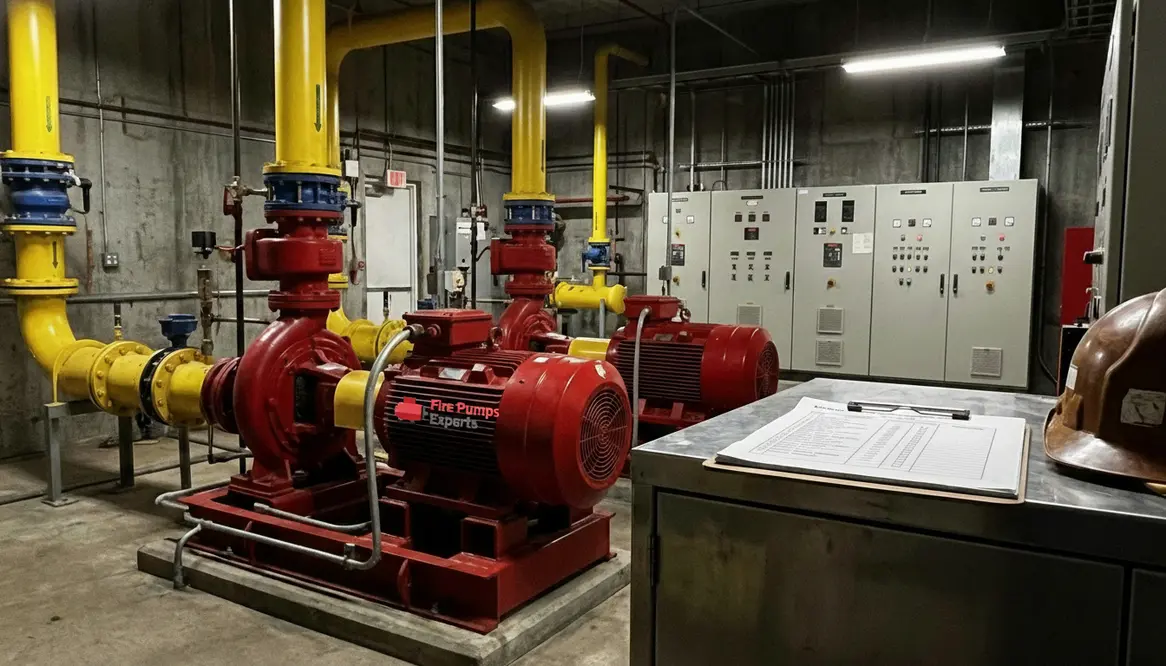
UL FM Fire Pump Compliance for Multinational Sites
UL FM Fire Pump Compliance Guide for Multinational Facilities
When I talk about fire protection in a global operation, I always start with UL FM compliance. It gives me a clear standard for fire pumps that must perform when things go wrong and nobody has time for guesswork. In a multinational facility, that matters even more. One site may sit in Texas, another in Singapore, and another in Germany, yet the system still needs to act like one disciplined team. No drama. No improvising. Just reliable pressure, proper testing, and equipment that does not quit like a side character in a bad action movie.
In this guide, I will walk through the real steps I use to keep fire pump systems aligned across commercial and industrial properties. I will also show where teams often slip, why it happens, and how to avoid expensive delays later.
Why UL FM compliance matters across global sites
For multinational facilities, I treat fire pump rules as a common language. UL FM compliance helps me keep design, installation, and inspection aligned with accepted safety practice. That matters because local codes can differ, but the life safety goal does not change. The pump must start on demand, deliver the right flow, and support the sprinkler or standpipe system without hesitation.
Also, global teams often face mixed vendor lists, local contractors, and different inspection habits. As a result, one weak link can create a chain reaction. I have seen that happen more than once, and it never ends like a feel good montage. Instead, it ends with delays, rework, and a very tired facilities team.
How I build a compliance plan for multinational facilities
I begin with a site by site review. First, I confirm the hazard level, water source, pump type, and local code needs. Then I compare those details against the fire pump standard used by the owner, insurer, and authority having jurisdiction. This keeps the whole plan grounded in facts, not wishful thinking.
Next, I create one master checklist for the region. After that, I add local notes for language, permit steps, spare parts, and testing windows. That way, the main standard stays the same, while the local process still fits the country and the site. It is not flashy, but it works. And in fire protection, boring is often beautiful.
Keeping UL/FM compliance visible in the plan
Throughout the plan, I keep UL/FM compliance in plain sight for each site. That means tagging drawings, procedures, and inspection forms so nobody wonders which standard applies. When new people join the team or a contractor rotates in, the expectations are already printed, not hidden in someone’s memory.
Fire pump design checks I never skip
I always check pump sizing, suction conditions, controller rating, power supply, and room layout. Then I verify that the pump can meet demand under the worst expected conditions. If the water source is weak, the system must reflect that reality. A strong design ignores hope and respects physics. Physics, as usual, does not care about your quarterly goals.
For multinational operations, I also confirm whether the site uses electric or diesel fire pumps, since each one brings different maintenance needs and local code issues. Moreover, I check freeze risk, fuel storage rules, ventilation, drainage, and access for service crews. If the pump room traps heat or blocks maintenance, trouble will show up later, usually at the least convenient time possible.
Design habits that protect global portfolios
Across a portfolio, I keep design habits consistent: document pump curves, capture available water supply, and flag any exceptions where local rules prevent full UL/FM compliance. Those exceptions get extra attention in training and inspections so a creative field fix does not quietly erode the protection you think you have.
UL FM compliance checklist for site teams
I keep the checklist short enough that people actually use it, but detailed enough that nothing important slips through.
Design and installation
- Confirm pump size and curve match system demand
- Verify controller, power, and transfer equipment
- Check suction piping, valves, and alignment
- Review room access, drainage, and ventilation
Testing and upkeep
- Run weekly and monthly checks as required
- Record churn, flow, and pressure results
- Inspect fuel, seals, bearings, and control panels
- Keep logs ready for audit and insurer review
Then I make sure the records stay clean. Because if the test happened but the log vanished, the event might as well have been a rumor. Good paperwork protects the facility just as much as good hardware.
What inspectors and insurers look for
Inspectors want proof that the system works as designed. Insurers want confidence that the risk stays controlled. So I keep the focus on repeatable evidence. That means test logs, repair records, alarm history, and any corrective action notes. I also document parts changes and service intervals.
In addition, I keep one eye on consistency. If one site tests weekly and another tests “whenever somebody remembers,” the program has a gap. Multinational facilities need rhythm. They need the same level of care across offices, plants, warehouses, and major commercial buildings. Otherwise, the strongest site carries the weakest one, and that is not a team sport anyone wants.
Evidence that supports UL/FM compliance
When an inspector walks in, I want the evidence of UL/FM compliance ready before they ask: current test results, clear pass/fail notes, documented follow-up on deficiencies, and a simple way to show how the program stays in step across all sites in the region.
How I keep multinational teams aligned
I use simple training and clear ownership. First, I assign one responsible person at each site. Then I give them a short action list, not a novel that reads like tax law. After that, I hold regular review calls so regional teams can flag issues early. This helps me catch pump room changes, water supply concerns, and missing inspection steps before they become costly.
I also recommend working with a trusted fire protection source for commercial and industrial facilities. For teams that need more guidance, I use fire pump compliance support for commercial and industrial properties as a reference point when building better systems and maintenance plans. That kind of resource can help keep standards consistent across borders without turning the process into a circus.
Making UL/FM compliance part of daily work
The easiest programs to keep running are the ones that fit into normal routines. So I fold UL/FM compliance tasks into work orders, shift checklists, and monthly facilities meetings. When it becomes “how we run the site,” not a special project, the fire pump program stays strong long after the kickoff call fades from memory.
FAQ
Conclusion
If I want fire pumps to perform across a global portfolio, I keep the system simple, documented, and consistent. I focus on the standard, the site conditions, and the records that prove the work got done. So, if you manage commercial or industrial properties and want a stronger fire pump program, now is the time to tighten your process, review your sites, and bring every location up to the same level. The next audit should feel routine, not like a surprise guest appearance.