Upgrading Warehouse Fire Protection Systems Safely
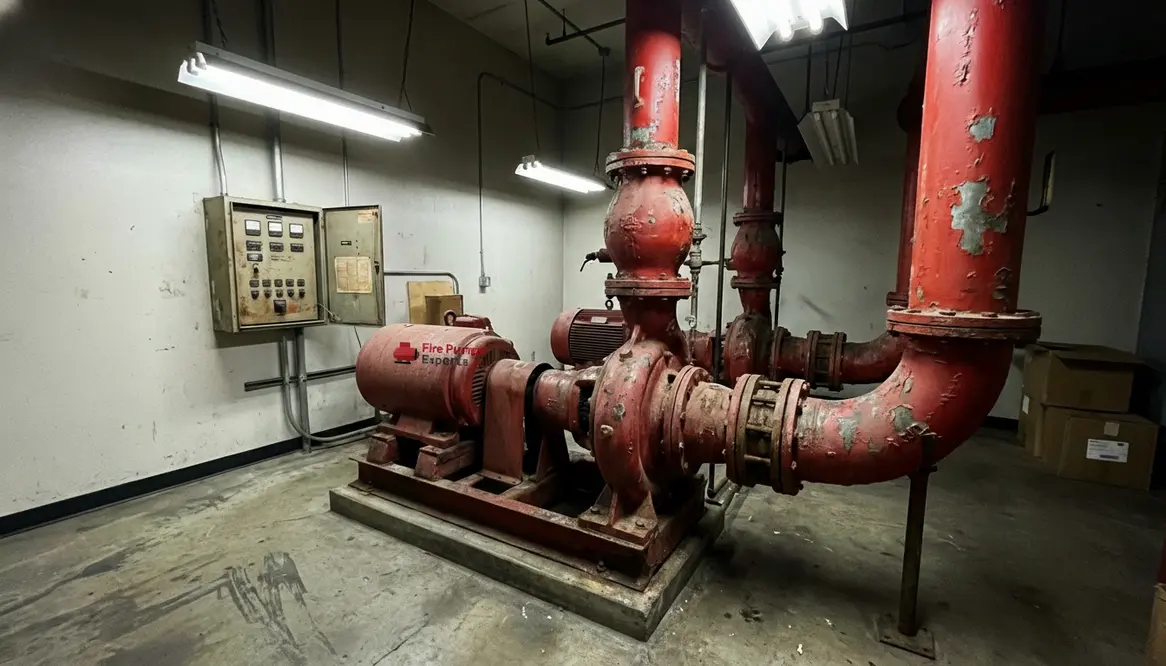
I have spent years walking through older commercial buildings in Bakersfield, listening to the quiet hum of aging systems that were built for a different time. And when it comes to warehouse fire protection systems, that quiet hum can sometimes hide a serious problem. Because while the structure may still stand strong, the fire pump behind the scenes might be telling a very different story. And trust me, when a fire pump starts whispering instead of roaring, it is not being poetic. It is asking for help.
So today, I want to walk you through what upgrading those systems really means, why it matters more than ever, and how to do it right without turning your facility into a construction zone that feels like a disaster movie set.
Why Older Fire Pumps Struggle in Bakersfield Facilities
First, let us set the stage. Many commercial and industrial buildings in Bakersfield were built decades ago. Back then, fire codes were different, water demands were lower, and frankly, nobody expected the level of operational intensity we see today.
However, as facilities expanded and storage loads increased, those original fire pumps were often left behind. Consequently, they now operate under pressure they were never designed to handle. That is like asking a flip phone to stream 4K video. It is admirable, but it will not end well.
In addition, wear and tear plays a major role. Seals degrade. Motors lose efficiency. Controllers become outdated. And while the system may still turn on, it may not deliver the flow or pressure required during an emergency.
Therefore, upgrading is not just about compliance. It is about performance when it matters most.
What signs tell me my fire pump needs an upgrade?
I get this question a lot, and the answer is usually hiding in plain sight. You just have to know where to look.
- Frequent maintenance issues that seem to repeat like a bad rerun
- Pressure drops during testing or peak demand periods
- Outdated controllers that lack modern monitoring features
- Difficulty sourcing parts because the model belongs in a museum
- Code compliance gaps identified during inspections
Moreover, if your facility has changed its layout or increased storage density, your current system may already be undersized. And that is where things get risky.
How I Approach Fire Pump Upgrades Without Disrupting Operations
Now here is the part that makes building owners nervous. Upgrades sound expensive, complicated, and disruptive. And yes, they can be. But they do not have to be chaos.
I always start with a full system assessment. Not just the pump, but the entire fire suppression infrastructure. Because upgrading a pump without understanding the system it supports is like replacing the engine in a car with flat tires.
Then, I phase the work strategically. In many cases, temporary systems can maintain protection while upgrades are installed. As a result, operations continue with minimal interruption.
And let me tell you, there is something satisfying about watching a modern fire pump system come online. It is smooth, responsive, and just a little intimidating in the best way. Like a well trained bodyguard who does not need to raise his voice.
Key Components I Focus on During Modernization
Mechanical Upgrades
- High efficiency fire pumps
- Improved suction and discharge piping
- Reliable backup power integration
- Enhanced pressure control systems
Control and Monitoring
- Smart controllers with real time diagnostics
- Remote monitoring capabilities
- Alarm integration with building systems
- Data logging for compliance tracking
At the same time, I make sure everything aligns with current fire codes and insurance requirements. Because passing inspection is good. Passing it without stress is even better.
How warehouse fire protection systems evolve with modern standards
Fire protection is not static. It evolves, just like everything else. And in Bakersfield, where industrial growth continues to push boundaries, systems must keep pace.
Modern warehouse fire protection systems are designed with flexibility in mind. They account for higher storage, different commodities, and more complex layouts. Therefore, the fire pump must deliver consistent performance across a wider range of scenarios.
Additionally, newer systems integrate with digital infrastructure. That means facility managers can monitor performance in real time, receive alerts instantly, and address issues before they escalate.
It is not science fiction. It is just good engineering finally catching up with reality.
Cost vs Risk: Why Waiting Is the Expensive Choice
I understand the hesitation. Upgrading a fire pump is not a small investment. However, delaying the upgrade often costs more in the long run.
For example, outdated systems can lead to higher insurance premiums, failed inspections, and unplanned downtime. And if a system fails during an emergency, the financial impact can be staggering. Not to mention the safety risks.
On the other hand, a modern system improves reliability, reduces maintenance costs, and provides peace of mind. And that peace of mind is worth more than any line item on a budget sheet.
Besides, if Hollywood has taught us anything, it is that ignoring infrastructure problems never ends well. Just ask anyone in a disaster movie.
FAQ: Fire Pump Upgrades for Commercial Buildings
How often should fire pumps be upgraded?
Typically every 20 to 30 years, or sooner if performance declines or codes change.
Can upgrades be done without shutting down operations?
Yes, phased installations and temporary systems can maintain protection.
Do new fire pumps improve insurance ratings?
In many cases, yes. Insurers favor modern, compliant systems.
What is the biggest risk of keeping an old pump?
Failure to deliver required pressure and flow during a fire event.
Are smart controllers worth it?
Absolutely. They provide real time monitoring and early issue detection.
Take the Next Step with Confidence
If your building is relying on an aging fire pump, now is the time to act. I can help you evaluate your current system, identify gaps, and design an upgrade that fits your operation without unnecessary disruption. A stronger system is not just an upgrade. It is protection you can count on when it matters most.
When you are reviewing your warehouse fire protection systems, make sure your fire pumps are part of the conversation, not an afterthought. Partnering with specialists who live and breathe this work every day makes the process smoother, safer, and far less stressful.
If you manage facilities in California and want support from a team that works with fire pumps all day, every day, consider connecting with a dedicated fire pump service provider like Kord Fire Protection’s fire pump services. The right partner can help you keep your warehouse fire protection systems reliable today and resilient for whatever tomorrow brings.
Reach out today, and let us bring your facility up to the standard it deserves.
Keeping warehouse fire protection systems ready for what comes next
In the end, upgrading warehouse fire protection systems is not about chasing the newest gadget or checking a box on a compliance form. It is about knowing that if something goes wrong in the middle of a busy shift, your fire pump, sprinklers, and alarms will respond exactly the way they were designed to. That confidence is what lets teams focus on their work instead of worrying about what is humming away in the pump room.