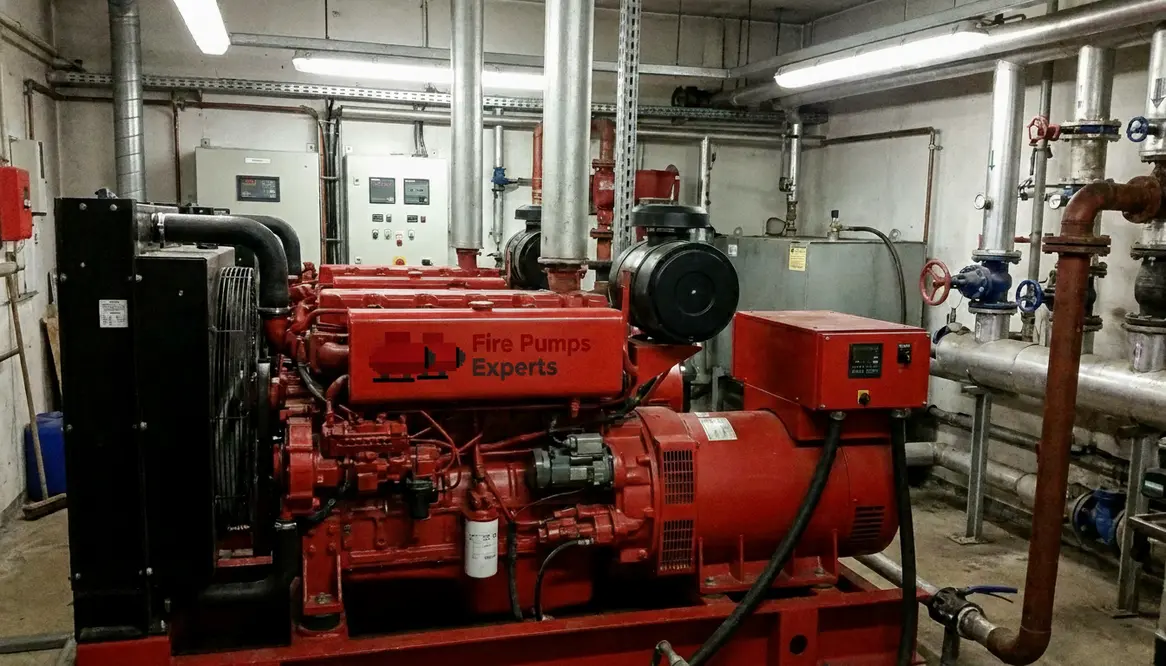
VdS Diesel Fire Pump Requirements Explained
When I talk about fire protection for commercial and industrial facilities, I always come back to one steady workhorse: the VdS diesel fire pump. It does not need a friendly electrical grid to show up and do its job, which is exactly why it matters when the lights go out and the stakes go up. For major properties, the goal is simple: keep water moving when every second counts. That is where VdS rules step in, and they do it with the calm confidence of a veteran bouncer who has seen enough drama for one lifetime.
In this article, I break down what those requirements mean, how they affect system design, and what facility owners should watch for. I will keep it practical, clear, and focused on real industrial and commercial use.
What VdS diesel pump standards actually require
VdS sets a high bar for diesel fire pumps because these systems often protect large buildings, warehouses, plants, and other high value sites. First, the pump must start quickly and reliably under fire conditions. In plain English, it must wake up fast and not act like it is on a coffee break.
Next, the pump needs a strong diesel engine that can run for the needed duty time. VdS expects the engine, pump, fuel system, cooling system, and controls to work together as one unit. If one part fails, the whole setup loses its edge. That is why the standard looks at the complete package, not just the pump nameplate.
In addition, VdS checks performance under real operating load. The pump must deliver the required flow and pressure, and it must do so with stable operation. Because of that, engineers cannot treat this like a generic mechanical device. It must fit the fire protection plan of the site, the water source, and the hazard level. For many projects, choosing a properly configured VdS diesel package becomes the backbone of that strategy.
How I check diesel fire pump design for compliance
When I review a diesel fire pump design, I start with the basics: water supply, suction conditions, duty point, and backup readiness. Then I look at whether the pump can handle the site’s peak demand without losing pressure. That matters most in large industrial facilities where a weak system can turn a small incident into a very bad day.
The pump room also matters. VdS expects proper ventilation, safe fuel storage, enough space for maintenance, and a layout that supports fast service. If the room feels like it was designed by someone who fought with a tape measure and lost, the system usually needs work.
Design point
Engine start time
Fuel supply
Cooling and exhaust
Access and service space
Why it matters
Ensures the pump responds fast in an emergency
Supports long run time during a fire event
Keeps the engine stable under load
Makes inspections and repairs easier
Also, I pay close attention to control panels and alarms. VdS requires clear signals, dependable starting logic, and monitoring that helps operators spot trouble before an emergency. That way, the system does not just look impressive on paper. It actually works when needed, especially when the VdS diesel package is tied into the broader protection strategy.
Why maintenance and testing matter every time
Even the best diesel fire pump will not save the day if no one maintains it. That is why VdS puts strong focus on inspection and testing. Regular checks help confirm that the battery, fuel, engine, valves, and controller all stay ready. In other words, you do not want the pump discovering a problem during the fire. That would be a terrible plot twist.
I recommend routine test starts, flow checks, and visual inspections. These steps help catch leaks, weak batteries, dirty filters, low fuel, and worn parts before they become real trouble. Because diesel systems sit idle much of the time, small issues can hide like a villain in a movie sequel. However, steady testing pulls them into the light.
For commercial and industrial properties, maintenance also supports insurance goals and facility uptime. A well kept system reduces risk, protects assets, and gives owners more confidence in daily operations. That alone makes the effort worth it, especially when the core of the system is a robust VdS diesel installation that has to work on demand.
Common mistakes facilities should avoid
One common mistake is treating the fire pump as a standalone machine. It is not. It works as part of a wider fire protection system, so the water source, pipework, valves, and power logic all need to match. If one piece falls short, the whole chain weakens.
Another mistake is poor access. I have seen systems tucked into cramped rooms where service feels like a game of human Tetris. That may be funny once. It is not funny during an inspection. Facilities should also avoid weak fuel management, missed service dates, and late repairs on warning signs.
Finally, some owners assume compliance ends after installation. It does not. VdS compliance stays alive through documentation, testing, and upkeep. The system must keep proving itself, just like a band that still fills the arena after the first hit single. Keeping the VdS diesel package documented, tested, and updated is what turns a one-time project into a lasting protection asset.
For facilities that want more detail on design and service support, I also recommend reviewing this guide to VdS diesel fire pump solutions for commercial and industrial sites. It helps connect the standard to real property needs.
FAQ
Keep your fire pump ready for the real world
If I had to sum it up, I would say this: VdS diesel fire pump requirements exist to protect serious properties from serious loss. They push for reliable design, strong installation, and disciplined maintenance. So, if you manage a commercial or industrial facility, do not wait for a problem to remind you why this matters. Review your system, confirm your compliance, and keep your fire pump ready to perform when it counts most. That is how I would play it, and frankly, it is the smartest game in town for any site that depends on a VdS diesel system to stand between a minor incident and a major disaster.