VdS Fire Pump Compliance for Industrial Buildings
When I talk about fire safety in a large plant, warehouse, or production site, I always start with the fire pump. It is not glamorous, and it will never win a starring role like the main power line or the clever alarm panel. Still, when smoke rises, the pump becomes the quiet hero in the room. That is where VdS industrial compliance matters. It helps me make sure the system can do its job when the pressure is on, the stakes are high, and nobody has time for guesswork.
In industrial buildings, fire protection must be steady, tested, and ready. That is why I focus on VdS rules, proper setup, and regular checks. If I do this well, I protect property, people, and business flow. And yes, I also avoid the kind of day that ruins both a budget and a reputation. Nobody wants that season finale.
What VdS fire pump compliance means for industrial sites
VdS compliance means the fire pump system meets a strict set of standards for safety and performance. I use it as a benchmark for industrial buildings because these sites often hold high value goods, heavy machines, and busy operations that cannot afford weak fire protection.
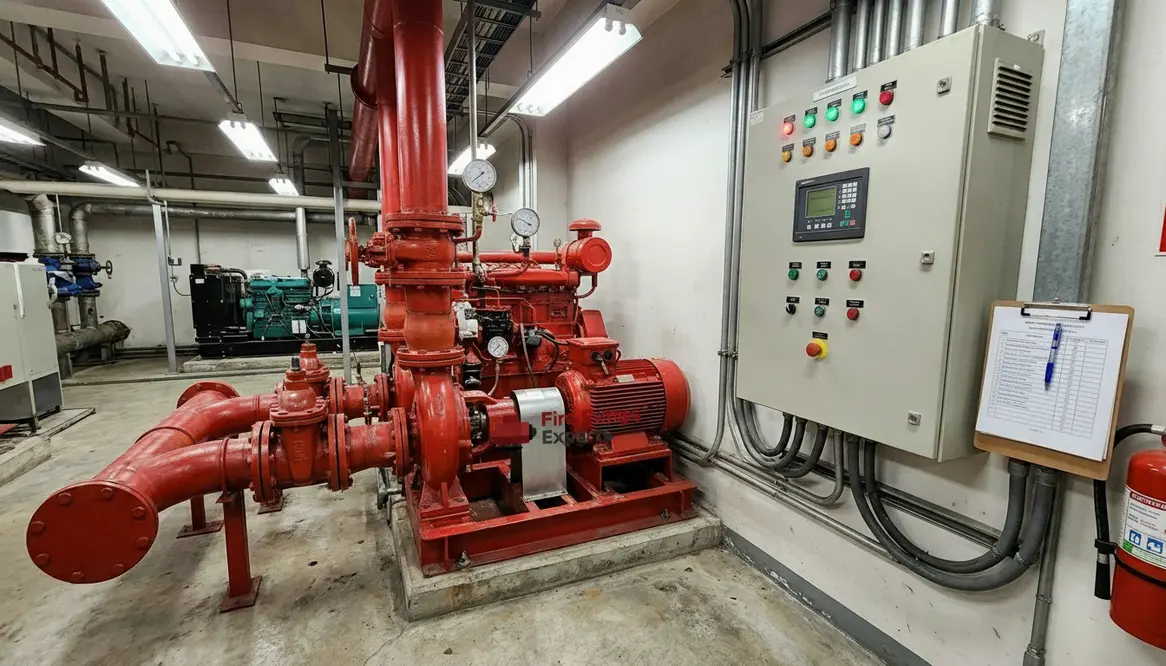
First, I check that the pump can deliver the right flow and pressure. Then, I look at the power source, control logic, and backup plan. After that, I confirm that the pump room itself stays protected, accessible, and dry. Simple on paper, yes. However, in a real plant, every detail matters.
The goal is not only to pass an inspection. The goal is to keep the pump ready for the worst moment. That means I treat compliance like a living process, not a one time checkbox. Like a good sitcom, the system needs the same reliable cast every episode.
For VdS industrial environments, that steady reliability is what separates a confident safety culture from a nervous one. When the standards are woven into daily operations, the fire pump is more than equipment; it is a trusted part of the building’s protection strategy.
How I check VdS industrial fire pump readiness
I start with the basics. I verify pump size, water supply, controls, and alarm links. Next, I inspect the installation against the approved design. If one part drifts from the plan, the whole system can lose strength. Fire safety does not enjoy creative interpretation. It prefers precision.
Then I move to testing. I want to see the pump start fast, run smoothly, and hold steady pressure. I also check for noise, vibration, leaks, and heat issues. These signs tell me a lot. In fact, a small vibration today can become a big failure later. That is the fire safety version of ignoring a check engine light and hoping for movie magic.
I also review maintenance logs. If records are thin, late, or missing, I treat that as a red flag. Good compliance depends on proof, not memory. People forget things. Paper trails do not.
Key VdS checks I focus on
- Correct pump capacity for the site risk
- Reliable water source and pipe supply
- Working start and stop controls
- Backup power or backup drive where needed
- Clear access for service and emergency use
- Regular test records and service notes
VdS industrial compliance checklist for major buildings
For major commercial and industrial facilities, I use a clean checklist so nothing slips through the cracks. The structure matters because these sites often have more than one risk zone, more than one building area, and more than one team involved. Chaos loves a complex site. I do not.
Checklist snapshot by area
Area
Pump room
Pump unit
Power supply
Controls
Maintenance
What I verify
Access, ventilation, drainage, and security
Flow, pressure, condition, and start performance
Primary feed, backup feed, and fault response
Alarm links, manual start, and panel status
Test schedule, records, faults, and repairs
Once I finish the checklist, I compare the results against the building risk profile. A warehouse with high storage loads needs a different level of care than a plant with process equipment and heat sources. So, I do not copy and paste the same plan everywhere. That approach belongs in low effort office memos, not fire protection.
Why regular testing matters more than a one time install
I often see people assume that a new fire pump means long term safety. That is only half true. A system can look perfect on installation day and still fail later if nobody tests it, services it, or watches for wear. Time changes everything, even steel and seals.
Regular testing helps me catch weak flow, worn parts, poor pressure, and control faults before they turn into a real problem. It also keeps the system aligned with VdS industrial expectations. I like predictable systems, because fire risk is not a fan of surprise guests.
I recommend routine weekly, monthly, and annual checks, depending on the system design and site risk. I also want a clear response plan for faults. If a pump fails, the team should know who responds, what gets fixed, and how fast the site returns to full protection. Speed matters, but calm action matters more.
For deeper guidance, I often point teams to the industrial fire pump compliance resource for commercial and industrial facilities so they can align service work with the right standard.
How I keep compliance practical and strong
I keep compliance practical by making it part of normal site care. I do not treat it like a rare event that appears once a year with a clipboard and a coffee. Instead, I build it into maintenance rounds, contractor visits, and safety reviews.
That means I coordinate with facility teams, service techs, and site managers. I also keep records easy to read and easy to find. If a report takes a detective to decode, it has already failed the test. Clear records save time during audits and help everyone move faster when a fault appears.
Just as important, I make sure the pump supports the real site use. If the building changes, I review the system again. Expansion, new storage, and new process lines can all change fire risk. Compliance must move with the building, not trail behind it like an old sequel nobody asked for.
In practice, that is how I keep VdS industrial requirements from becoming dusty binders on a shelf. The standards stay active, shaped by walkdowns, conversations, and real changes on the shop floor.
FAQ
Final step: protect your site before trouble starts
I treat VdS fire pump compliance as a core part of industrial safety, not a side task. When I keep the system tested, documented, and ready, I protect people, equipment, and business continuity. VdS industrial standards give me a practical framework to do that work consistently rather than guessing my way through upgrades and audits.
So, if your facility needs a stronger fire safety plan, now is the time to review your pump setup, confirm your records, and close any gaps. Look at design, water supply, controls, power, and maintenance as one connected story rather than scattered tasks. When those elements align, the fire pump becomes a steady, trustworthy part of the building instead of a mystery box in the corner.
Act early, stay ready, and keep your building protected before the alarm ever sounds. That way, when the system is finally called to perform, it is not guessing, hoping, or improvising. It is doing exactly what it was built, tested, and certified to do.