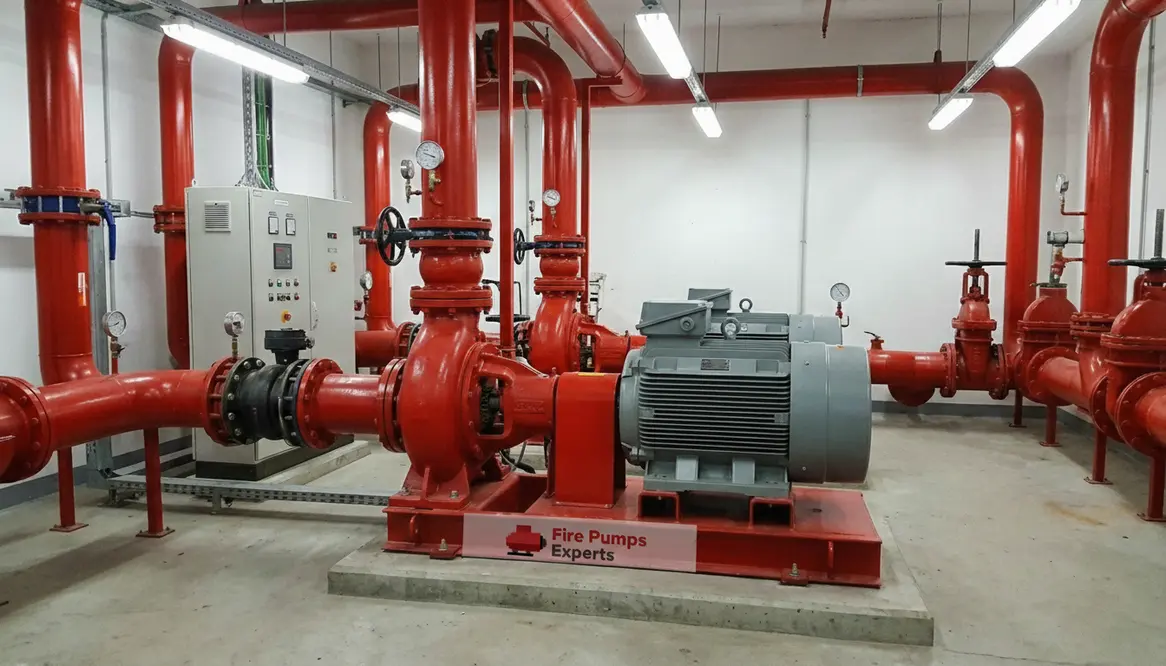
VdS Electric Fire Pump Requirements Explained
When I talk about VdS electric fire pump systems, I am talking about a serious life safety setup for commercial and industrial facilities, major property buildings, and nowhere else. These systems do not show up to play hero in a small hobby shed. Instead, they protect places where water supply, pressure, and reliability must stay sharp when trouble hits. In this article, I will break down what VdS expects, why it matters, and how to approach it without getting lost in a maze of technical noise. And yes, I will keep it clear, because fire pump rules already have enough drama without adding a sequel.
What VdS Electric Fire Pump Standards Mean
VdS sets strict rules for fire protection equipment, and the electric fire pump sits at the center of that system. I see these standards as a quality filter. They help make sure the pump starts fast, runs steadily, and supports the sprinkler or fire protection network when the building needs it most. Since commercial and industrial sites often face high risk, VdS focuses on dependable performance, strong backup planning, and solid installation practice.
In simple terms, the standard asks one big question: will the pump work when every second counts? If the answer is even a shaky maybe, then the setup needs attention. That is the whole game.
Key requirements for reliable operation
To meet VdS expectations, I look at the pump room, the power supply, the controls, and the water source. Each part must support the next one. If one link fails, the chain gets weak, and no one wants a weak chain next to a fire risk.
Here is a clean view of the main points:
Equipment area
The pump must sit in a protected room with enough space for access, service, and safe operation. Heat, flood risk, and poor access can all cause trouble.
Power supply
The electric source must stay stable and dedicated. VdS expects a reliable supply that supports quick startup and steady running.
Controller design
The control panel must start the pump automatically and show clear status signals. I want the operator to see what is happening without needing a detective hat.
Water source
The pump must draw from an approved water supply with enough volume and pressure for the system demand.
Also, regular testing matters. A pump that only looks good on paper is like a movie trailer with no film behind it. VdS pushes owners to prove the unit works in real conditions, not just in a nice brochure.
How I check installation and power supply
First, I check whether the electrical setup can handle the load without problems. That means proper feeders, correct protection, and safe wiring. Then I look at the starting method, because the pump must come online without delay. If the startup drags, the system loses value fast.
Next, I check the room itself. I want enough ventilation, safe drainage, and easy access for maintenance crews. I also want the pump to stay away from anything that could damage it, such as heat, dirt, or a flood path. After all, fire pumps do not enjoy surprise swims.
Finally, I confirm that alarms and signals reach the right people. A VdS electric system should not whisper in the dark. It should speak clearly when something goes wrong, and it should do it fast.
Why testing and maintenance matter
I never treat testing as a box to tick and forget. A fire pump system needs regular checks because building use changes, water conditions shift, and parts age. As a result, routine testing helps catch weak points before an emergency exposes them the hard way.
Here is where good maintenance pays off:
- It helps keep startup times within the expected range
- It shows whether the pump can hold pressure under load
- It reveals control faults before they become costly
- It supports compliance and smoother audits
For commercial and industrial owners, this matters even more. A missed fault in a warehouse, plant, or high value building can turn into a very expensive headline. Nobody wants that kind of publicity, unless they are aiming for a very odd kind of fame.
VdS compliance tips for building owners
If I want a system to stay compliant, I start with good records. I keep test logs, service notes, and change history in one place. Then I make sure trained people inspect the system on schedule. I also review whether the water source, electric supply, and control gear still match the building’s risk level.
I also recommend using trusted guidance from the industry. For broader standards and fire pump knowledge, I suggest reviewing the commercial fire pump resource for major property buildings. That kind of reference helps owners stay focused on the right type of property and avoid wasting time on unrelated advice for small sites.
In the end, VdS compliance is not about paperwork worship. It is about real readiness. If the pump room, power path, and water supply all work together, the whole system stands a much better chance when pressure rises, and not the metaphorical kind from your inbox.
How VdS electric systems fit into real facilities
When a warehouse, data center, or manufacturing plant installs a VdS electric fire pump, the system becomes part of the building’s daily risk posture, not just an emergency accessory. The rated flow, pressure, and starting method must match how the site actually operates. That means considering process loads, occupancy shifts, and even the reliability of the local grid.
A VdS electric installation that supports a high-rack warehouse, for example, may need coordination with in-rack sprinklers, multiple control valves, and dedicated reporting points in the fire alarm system. In a heavy industrial plant, vibration, dust, and heat can be bigger enemies than paperwork, so the pump room layout and cable routing take on extra importance. In both cases, the same idea holds: the fire pump cannot live in isolation from the rest of the fire protection strategy.
Planning a new VdS electric installation
If a project team plans a new system, the best results usually come when the fire pump concept appears early in the design process. Waiting until the last minute tends to shrink the pump room, tangle the cable paths, and put the suction pipe wherever the leftover space happens to be. None of that helps the system perform when it finally has to run.
By putting the VdS electric fire pump on the agenda during the first layout meetings, the team can protect floor area for the room, keep suction piping short and direct, and allocate a properly rated electrical feeder from the main distribution board. That approach also leaves space for future changes, such as a larger tank or a second pump if the site expands.
FAQ
Take the next step
If you manage a commercial or industrial property, I urge you to review your fire pump setup now, not after a fault shows up with bad timing. A VdS electric system works best when design, installation, and testing all line up. So, inspect your records, confirm your power path, and make sure your pump room is ready. If you want a stronger, safer system, the best time to act is before the alarm ever sounds.