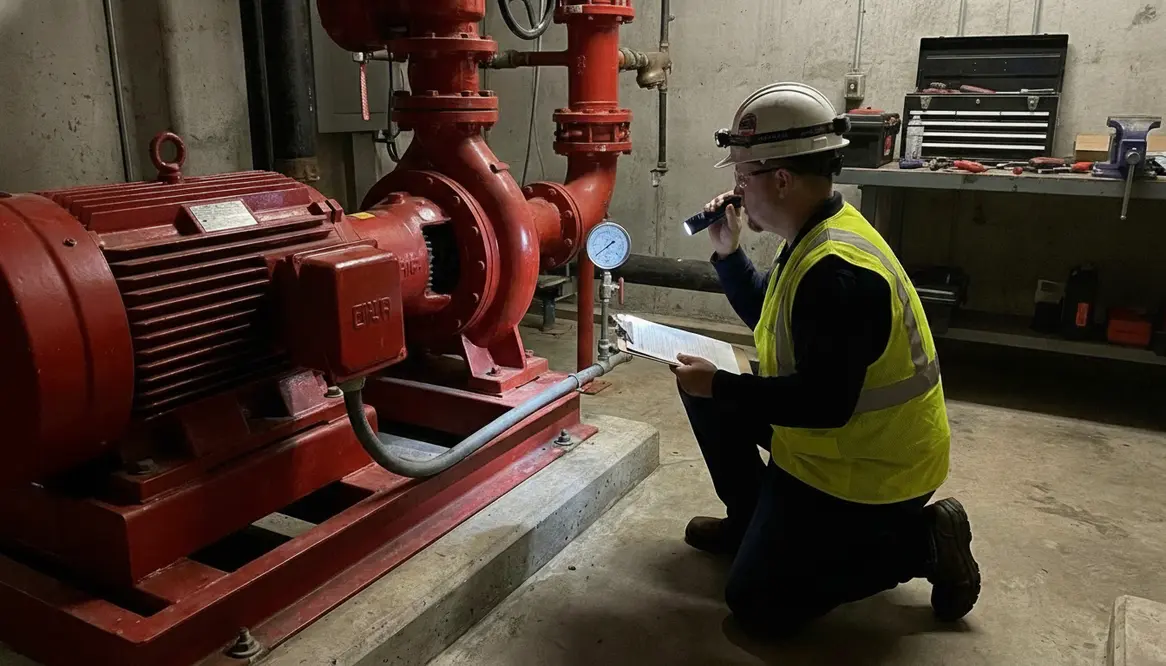
VdS Fire Pump Maintenance and Inspection Guide
When I talk about VdS maintenance, I am talking about the kind of care that keeps a fire pump ready when the pressure drops and the stakes rise. In a commercial or industrial building, that pump is not a side character. It is the backup singer, the drummer, and the whole brass section when a fire system needs support. So I take inspection seriously, because one missed issue can turn into a very expensive day for a major property.
In this guide, I will walk through the checks that matter, the timing that keeps things on track, and the simple habits that help a pump do its job without drama. And yes, pumps are like classic action heroes. They work best when nobody notices them until the plot gets serious.
What I check first during a VdS fire pump inspection
I start with the basics, because the basics catch most problems early. First, I look at the pump room itself. I check for heat, leaks, corrosion, blocked access, and any signs that the room has become a storage closet in disguise. Then I move to the pump body, drivers, valves, gauges, switches, and power supply. If I see rust or loose fittings, I do not shrug it off. Small issues tend to grow teeth.
Next, I confirm that the pump can start the way it should. That means I check automatic start signals, alarms, and controller status. I also verify that all visible parts are clean and secure. A fire pump should not look like it just survived a season finale.
Monthly and weekly checks I never skip
For commercial and industrial sites, routine checks matter because equipment does not fail on a polite schedule. I keep the rhythm steady and simple.
Weekly and monthly checklist
Weekly
- Check pump room temperature and general condition
- Look for leaks, corrosion, or loose parts
- Confirm alarms and controller lights
- Review water supply pressure and valve position
Monthly
- Run the pump under normal test conditions
- Listen for unusual noise or vibration
- Check battery condition if the system uses a diesel or backup start setup
- Inspect belts, couplings, and seals where fitted
These checks sound plain, and that is the point. Plain work keeps the system ready. Also, a pump that hums smoothly is a lot more comforting than a pump that sounds like it has opinions.
How I test performance without guesswork
Performance testing tells me whether the pump can deliver the flow and pressure the building expects. I do not rely on hope here. Hope is fine for movie endings, but not for fire protection.
When I test the pump, I watch pressure, flow, startup time, and run behavior. If the pump takes too long to start, that matters. If pressure drops too fast, that matters too. If the pump shakes, surges, or sounds rough, I dig deeper. I also compare readings with past records so I can spot slow decline before it becomes a breakdown.
That is where good records help. A clean log turns a guess into a pattern. And patterns tell me whether the pump needs service now or soon.
VdS maintenance for commercial properties
For major property buildings and industrial sites, I treat VdS maintenance as part of risk control, not just a box to tick. Large sites often have complex water supply lines, long pipe runs, and systems that support many areas at once. Because of that, I pay close attention to pump duty, controller health, and the condition of valves and suction lines.
Here is a quick view of where my focus stays during a site visit.
Area |
What I look for |
Pump room |
Heat, access, leaks, cleanliness |
Pump set |
Noise, vibration, wear, secure fittings |
Controls |
Alarm status, startup response, power supply |
Water source |
Pressure, valves, flow path, signs of blockage |
This kind of review helps me protect the system as a whole. After all, a fire pump is only as strong as the chain around it. If one link weakens, the rest have to carry the load.
Common problems I catch early
I see the same issues again and again, especially in busy facilities where many teams share one building. Some problems come from wear. Others come from poor housekeeping. A few come from the old classic, “We meant to fix that last quarter.”
The most common trouble spots include air leaks, faulty switches, battery weakness, clogged strainers, valve issues, and worn seals. I also watch for corrosion around metal parts, because moisture loves to show up uninvited. If I catch these early, I can help avoid costly downtime and keep the protection system ready for real use.
When needed, I also recommend support from a trusted fire pump inspection source for commercial and industrial facilities, such as expert fire pump testing and inspection for major properties. That kind of focused service can help keep the system aligned with the demands of large buildings and structured VdS maintenance expectations.
FAQ
Conclusion
If you manage a commercial or industrial property, I urge you to treat fire pump care as essential, not optional. Good VdS maintenance keeps the system ready, lowers risk, and supports fast response when it matters most. So stay on schedule, keep your records clean, and fix small issues before they grow legs. If you want a stronger, safer system, now is the time to inspect, test, and act with confidence on every part of your VdS maintenance routine.