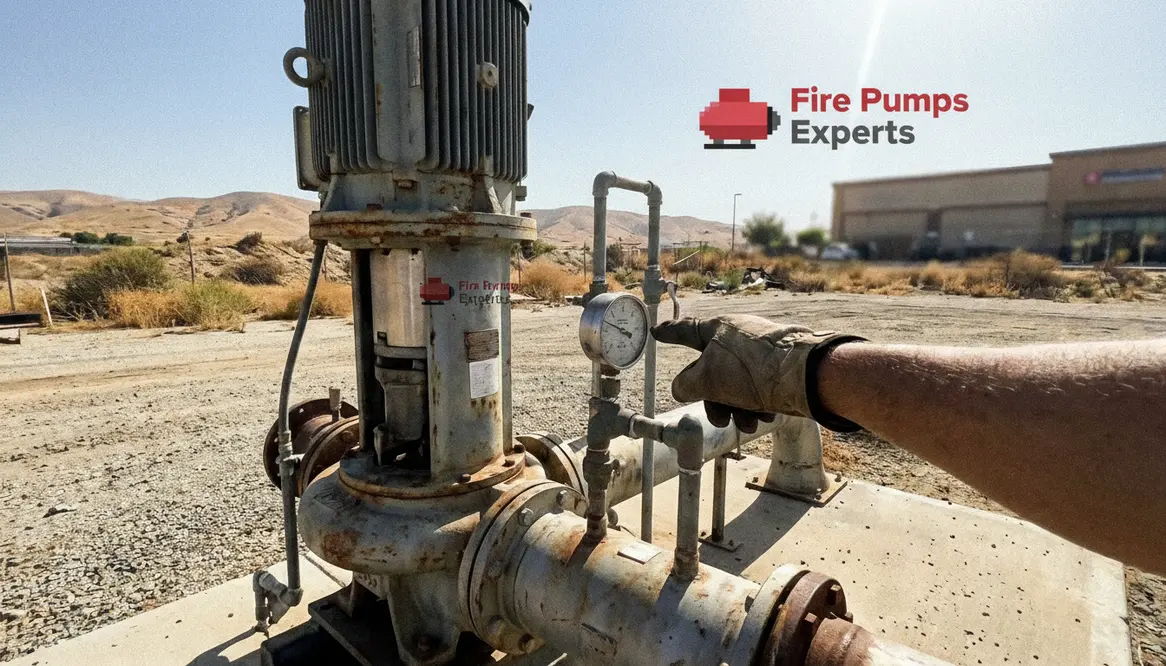
Vertical Turbine Fire Pump Cavitation Bakersfield
I have spent years around pump rooms that hum like a quiet engine of safety, and I can tell you this much: when something goes wrong, it rarely announces itself with fireworks. It whispers. One of those whispers comes in the form of vertical turbine fire pump cavitation Bakersfield facilities quietly wrestle with, especially in large commercial and industrial properties where demand never sleeps. So today, I am going to walk you through it slowly, clearly, and maybe with a grin or two along the way.
What is happening inside a vertical turbine fire pump when cavitation begins?
Let me paint the picture. Inside your pump, water should flow smoothly, like a well rehearsed orchestra. However, when pressure drops too low, tiny vapor bubbles form. Then, almost immediately, they collapse. And when they collapse, they hit metal surfaces like microscopic hammer blows.
Now, that may sound small. It is not. Over time, this eats away at impellers, reduces performance, and turns a reliable fire protection system into something unpredictable. In a place like Bakersfield, where heat and water conditions can shift quickly, this becomes more than a mechanical issue. It becomes a risk.
And trust me, unpredictability is great in movies. Not so much in fire protection systems.
Vertical turbine fire pump cavitation Bakersfield risks in commercial systems
In large scale facilities, I often see cavitation tied to a few repeat offenders. First, fluctuating water levels. Bakersfield groundwater systems are not always consistent, and vertical turbine pumps rely heavily on stable intake conditions.
Second, improper pump sizing. Bigger is not always better. A pump that overreaches its design conditions creates pressure imbalances, and that is where cavitation quietly sets up shop.
Third, poor suction conditions. When suction piping is not designed correctly, or when strainers clog, the pump begins to starve. And a starving pump is a noisy, unhappy pump.
Additionally, high temperatures do not help. Warmer water vaporizes more easily, which increases the chance of bubble formation. Bakersfield summers are not exactly shy about heat, so this factor plays a bigger role than many expect.
How do I recognize cavitation before it becomes a system failure?
I like to say your pump will talk to you if you listen. Cavitation has a distinct sound. It is often described as gravel or marbles moving through the system. Not exactly the soundtrack you want in a life safety system.
Beyond sound, you might notice vibration. Then, performance drops. Pressure readings fluctuate. Over time, efficiency slips, and maintenance costs creep upward like a villain in a slow burn thriller.
Here is what I tell facility managers. If your pump suddenly sounds like it is chewing rocks, do not ignore it. That is not personality. That is a warning.
Common warning signs
- Unusual noise during operation
- Vibration in pump assembly
- Drop in discharge pressure
- Irregular flow rates
Underlying causes
- Low suction pressure
- High water temperature
- Blocked intake or strainers
- Incorrect pump selection
Preventing damage before it starts
Now here is where things get practical. Prevention is not glamorous, but it works. I always start with proper system design. That means ensuring the pump matches the actual demand of the building, not a guess or a hopeful estimate.
Then, I focus on suction conditions. Clean intakes, correct pipe sizing, and minimal restrictions go a long way. It sounds simple, and it is. But simple does not mean optional.
Monitoring also plays a key role. Pressure gauges, vibration sensors, and regular testing help catch early signs before damage escalates. In larger facilities, integrating these into building management systems gives operators real time insight.
And let us not forget routine maintenance. Skipping it might save time today, but it often invites expensive surprises later. Like skipping oil changes in a car and then wondering why it sounds like a drum solo.
Why Bakersfield conditions make this issue more critical
Bakersfield brings its own personality to the table. High temperatures, variable groundwater levels, and heavy industrial demand create a perfect storm for cavitation risk.
Because of this, I always recommend a localized approach. What works in a coastal city may not hold up here. Systems must account for seasonal changes, water table shifts, and sustained operational loads in large properties.
In other words, your fire pump should not just meet code. It should match the environment it lives in. Otherwise, you are asking it to perform like a marathon runner in desert heat without water. And that rarely ends well.
Vertical turbine fire pump cavitation Bakersfield mitigation strategies that actually work
When I step into a facility dealing with cavitation, I focus on solutions that last. First, adjusting pump depth can stabilize suction pressure. This is especially useful in vertical turbine setups where water levels fluctuate.
Next, I evaluate system demand versus pump curve performance. If those two are out of sync, no amount of maintenance will fix the root issue.
Another effective step is installing variable frequency drives where appropriate. These allow better control over pump speed, reducing stress during low demand periods.
Finally, I always recommend periodic professional assessments. Not just inspections, but full performance evaluations. Because sometimes, what looks fine on the surface hides deeper inefficiencies.
If you are trying to get ahead of vertical turbine fire pump cavitation Bakersfield facilities face, start with the basics: suction conditions, proper sizing, and honest performance data. From there, the path to a calmer, more reliable pump room gets much clearer.
FAQ
What is cavitation in a fire pump?
It is the formation and collapse of vapor bubbles inside the pump due to low pressure.
Why is cavitation dangerous for fire protection systems?
It damages internal components and reduces pump reliability during emergencies.
How can I detect cavitation early?
Listen for unusual noise and monitor vibration and pressure changes.
Does Bakersfield climate increase cavitation risk?
Yes, higher temperatures and water variability make cavitation more likely.
Can cavitation be fixed without replacing the pump?
Often yes, through system adjustments, improved suction conditions, and proper maintenance.
Keep your system steady when it matters most
In my experience, the best fire protection systems are the ones you never have to think about. They just work. If your facility in Bakersfield depends on vertical turbine pumps, do not leave performance to chance. Address cavitation risks early, fine tune your system, and invest in expert evaluations. When the moment comes, you want certainty, not surprises. And if you ask me, peace of mind is always worth the effort.