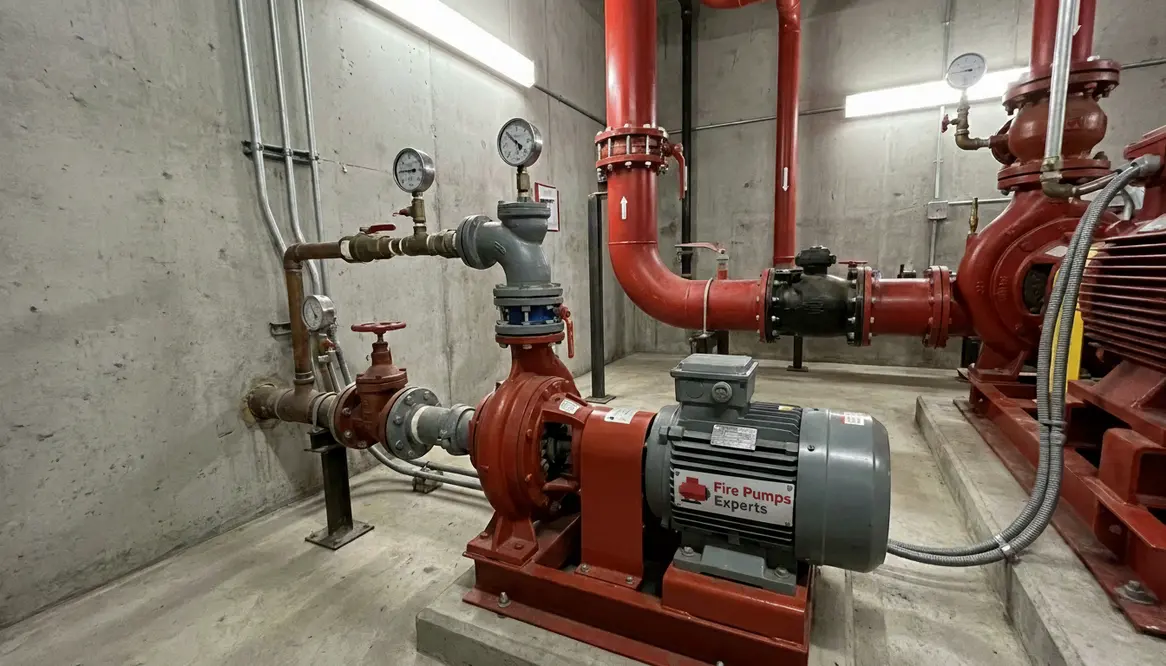
What Is a Jockey Pump in a Fire Sprinkler System
I have spent enough time around fire protection systems to know that the smallest components often carry the biggest responsibility. And somewhere in that quiet lineup of valves, pipes, and pumps sits a humble hero people rarely notice. So, what is a jockey pump? In simple terms, it is a small pump that maintains pressure in a fire sprinkler system. However, its role reaches far beyond that modest definition. It keeps the system ready, steady, and just a little bit smarter than chaos. And yes, like the underrated sidekick in a superhero film, it does its job without asking for applause.
What Is a Jockey Pump and Why It Quietly Runs the Show
A jockey pump is a pressure maintenance pump connected to a fire protection system. Its main job is to keep water pressure stable without triggering the main fire pump. Now, that might sound simple, but it is critical. Even a tiny drop in pressure, caused by a small leak or temperature change, can trick the system into thinking there is a fire.
Instead of letting the main fire pump jump into action like an overcaffeinated bodyguard, the jockey pump steps in first. It restores pressure quickly and efficiently. As a result, the system avoids unnecessary wear, energy waste, and false alarms.
I like to think of it as the thermostat of your fire system. Quiet, precise, and always working in the background.
Why Commercial Buildings Cannot Ignore This Small Pump
In large commercial and industrial facilities, consistency is everything. A pressure fluctuation in a high rise or manufacturing plant is not just inconvenient. It can be costly and even dangerous.
Because of that, the jockey pump becomes essential. It prevents frequent cycling of the main fire pump, which can lead to mechanical stress and expensive maintenance. Additionally, it extends the lifespan of the entire fire protection system.
More importantly, it ensures the system is always ready. When a real emergency happens, there is no delay, no hesitation. Just immediate response. And in fire protection, seconds matter more than most people realize.
How a Jockey Pump Works Inside a Fire System
Let me break it down without turning this into a textbook. The jockey pump connects to the fire sprinkler system and monitors pressure levels. When pressure drops below a set point, it activates automatically. Once the pressure returns to normal, it shuts off.
Meanwhile, the main fire pump stays inactive unless the pressure drops significantly. This layered response system keeps operations efficient and controlled.
Here is a simple comparison to make it clearer
Jockey Pump
Keeps pressure stable
Handles small leaks
Runs frequently but lightly
Prevents main pump activation
Main Fire Pump
Delivers high water flow
Activates during real fire events
Runs under heavy demand
Critical for emergency response
So while the main pump gets the glory, the jockey pump makes sure it does not get called in for every minor inconvenience.
What Is a Jockey Pump Doing During System Downtime
Even when everything seems calm, the jockey pump is still working behind the scenes. Pressure in a fire system is never perfectly stable. Tiny leaks, valve shifts, and even weather changes can affect it.
Therefore, the jockey pump continuously adjusts for these fluctuations. It cycles on and off as needed, maintaining a steady pressure range. This quiet consistency is what keeps the system reliable.
Think of it like a security guard who never sleeps. Not flashy, but absolutely necessary.
Choosing the Right Setup for Industrial Facilities
Not all jockey pumps are created equal. In large scale commercial properties, selecting the right size and configuration matters. An undersized pump will struggle to maintain pressure. On the other hand, an oversized one can cause unnecessary cycling.
That is why working with experienced professionals is key. For example, teams like electrical infrastructure experts help understand how to balance system demands with long term efficiency.
They look at pressure requirements, system volume, and building layout. Then, they design a setup that keeps everything running smoothly without wasted energy or risk.
Because in a facility where operations never stop, your fire protection system should not miss a beat either.
Common Misconceptions That Deserve a Reality Check
I have heard a few myths about jockey pumps over the years, and frankly, some of them deserve a polite but firm correction.
It is just a backup pump
Not quite. It is actually the first line of defense for pressure control.
It does not need maintenance
Every mechanical system needs attention. Ignoring it is like ignoring a check engine light and hoping for the best.
It is optional
In most commercial fire systems, it is a standard and necessary component.
Clearing up these misunderstandings helps ensure systems are designed and maintained the right way.
FAQ About Jockey Pumps
At this point, the most useful thing is to tackle a few direct questions people ask when they first hear the phrase “what is a jockey pump” and see it quietly humming away in a fire sprinkler room.
Conclusion
If you manage or design a commercial property, understanding what is a jockey pump is not just helpful, it is essential. This small but powerful component keeps your fire system ready, efficient, and reliable every single day. When someone asks “what is a jockey pump doing when nothing seems to be happening,” the answer is simple: it is quietly protecting your investment and your people.
Now is the time to evaluate your setup, partner with experienced professionals, and make sure your fire protection system includes the right jockey pump sized and tuned for your building. When you can confidently explain what is a jockey pump to your team, you are already one step closer to a safer facility and a system that responds exactly when it matters most.
Because when safety is on the line, preparation should never be left to chance, and knowing precisely what is a jockey pump gives you a real advantage long before the alarms ever sound.