Commercial Property Fire Pump Solutions Guide
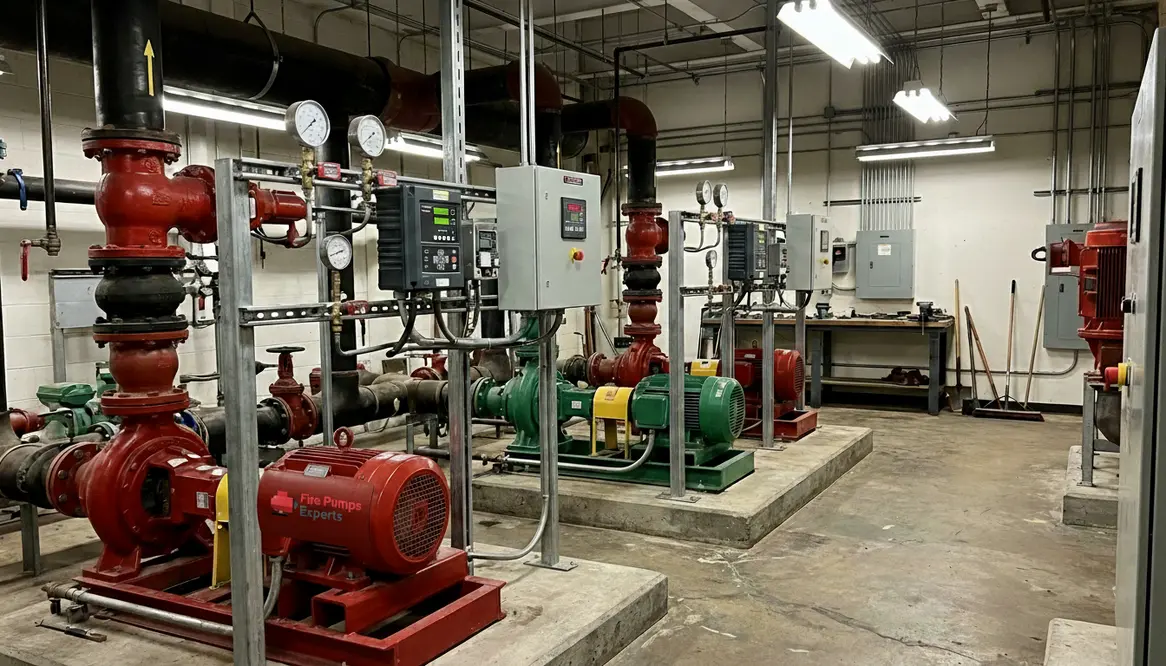
Mechanical rooms may hum quietly, but nothing about their role in life safety is subtle. One overlooked component can mean the difference between a close call and a catastrophe. That is where commercial property fire pump solutions step into the spotlight. In office towers, retail centers, and mixed use properties, these systems are not just equipment. They are the silent guardians that stand ready when everything else goes wrong. And yes, they rarely get applause. Fire pumps are a bit like bass players in a band. You do not notice them until they are missing, and then everything falls apart.
Why Fire Pump Systems Matter in Modern Commercial Spaces
Every large property tells a story of movement. People coming and going, systems running in the background, risks quietly building. Therefore, fire protection must be deliberate. Fire pump systems ensure consistent water pressure when municipal supply falls short. Without them, even the best sprinkler system becomes a polite suggestion.
Moreover, in high rise office buildings and sprawling retail complexes, water needs to travel far and fast. That requires engineered fire pump setups that can handle demand spikes. I have seen properties assume city pressure was enough, only to discover otherwise during testing. That is not the kind of surprise anyone enjoys.
As a result, investing in reliable fire pump solutions for commercial buildings is not optional. It is foundational. And frankly, it is cheaper than explaining to stakeholders why the system failed when it mattered most. For property teams that want expert support from design through inspection, partnering with specialists such as Kord Fire’s fire pump service team creates a strong foundation for long term reliability.
How Do Fire Pump Solutions Differ for Office, Retail, and Mixed Use Buildings?
Let me answer this the way I would explain it on a quiet walk through a facility.
Office buildings
Office buildings prioritize vertical performance. Water must reach upper floors quickly, which means high pressure systems and precise control panels. Elevators, stairwells, and densely packed floors demand that sprinklers and standpipes receive reliable pressure in the moments when people are evacuating and responders are arriving.
Retail properties
Retail properties often spread horizontally. They demand wide coverage and redundancy to protect large open areas filled with inventory and, occasionally, last minute shoppers making questionable decisions. Here, commercial property fire pump solutions focus on broad, even coverage, clear zoning, and resilience if one section of the system is compromised.
Mixed use buildings
Mixed use buildings are where things get interesting. These properties combine residential, commercial, and retail elements. Therefore, fire pump systems must adapt to varying demands at different times of day. Morning office rush, evening retail flow, overnight residential occupancy. Each phase requires a system that responds without hesitation and respects different code requirements within a single footprint.
Because of this complexity, tailored commercial fire pump system design becomes critical. One size fits all is a myth. And like most myths, it sounds nice until reality shows up.
Key Components That Make or Break Performance
I always say a fire pump system is only as strong as its weakest component. So let us look at what really matters.
Pump type selection
Electric, diesel, or turbine driven pumps each serve a purpose. Choosing the wrong one is like bringing a bicycle to a car race. It moves, sure, but not when it counts.
Controller reliability
The controller is the brain. It detects pressure drops and starts the pump. A delay here is not acceptable. It must respond instantly, every time, even in the chaos of a full building evacuation.
Power supply stability
Especially in large commercial facilities, backup power is essential. Because during a fire, power outages are not exactly uncommon. Coordinated generators, transfer switches, and commercial property fire pump solutions that account for worst case power loss keep the system alive when the grid does not cooperate.
System testing and maintenance
Even the best equipment needs attention. Regular testing ensures readiness. Skipping this step is like never checking your smoke alarm. It feels fine until it is not. Documented churn tests, annual performance curves, and consistent visual inspections keep small issues from turning into front page headlines.
Commercial Property Fire Pump Solutions That Scale with Growth
Buildings evolve. Tenants change. Floor plans expand. Consequently, fire protection systems must keep pace. Scalable commercial property fire pump solutions allow facilities to adapt without starting from scratch.
For instance, modular pump configurations can handle increased demand as occupancy rises. Additionally, smart monitoring systems provide real time data, allowing facility managers to act before problems escalate. It is a bit like having a crystal ball, except it actually works.
Furthermore, integrating these systems with building management platforms creates a seamless safety network. When everything communicates, response times shrink and confidence grows. Thoughtfully designed commercial property fire pump solutions do not just pass inspection; they keep protecting as your property grows, densifies, and changes use over time.
What Should I Look for in a Fire Pump Solution Provider?
I get this question often, and the answer is simpler than people expect.
Look for experience with large scale commercial and industrial properties. Not all providers understand the demands of high occupancy buildings. Also, prioritize those who offer full lifecycle support, from design to maintenance.
Equally important, choose a partner who values compliance. Codes and standards exist for a reason. Ignoring them is not innovation. It is risk wearing a disguise.
What I always expect
- Proven expertise in complex buildings
- Clear maintenance plans
- Fast response times
- Knowledge of compliance standards
What I avoid
- Generic solutions
- Limited service scope
- Slow communication
- Cut corners on testing
Future Trends in Fire Pump Technology for Commercial Buildings
The future is not coming. It is already here, quietly upgrading your mechanical room.
Smart diagnostics and analytics
Smart diagnostics now allow systems to detect inefficiencies before failure occurs. In addition, energy efficient pumps reduce operational costs without sacrificing performance. This matters, especially in large facilities where every kilowatt counts.
Remote monitoring and visibility
Another shift involves remote monitoring. Facility managers can oversee system health from anywhere. Yes, even while waiting in line for coffee that costs more than it should. Convenience meets safety, and I am not complaining.
From reactive to predictive protection
As technology evolves, fire pump solutions for commercial buildings will become more predictive and less reactive. That is a win for everyone. Property leaders who invest early in smarter commercial property fire pump solutions position their portfolios for easier inspections, fewer headaches, and far fewer after hours alarm calls.
FAQ
A few of the questions that come up most often when discussing commercial property fire pump solutions with owners and facility teams:
Conclusion
When I look at a commercial property, I do not just see walls and systems. I see responsibility. The right fire pump solution protects people, assets, and peace of mind. If you are managing a large facility, now is the time to ensure your system is ready for anything. Explore reliable, scalable options built for demanding environments, and partner with experts who understand the stakes. Because when it comes to safety, close enough is never enough. Thoughtfully chosen commercial property fire pump solutions may never get a standing ovation, but they might just make sure everyone can walk out of the building to give one.