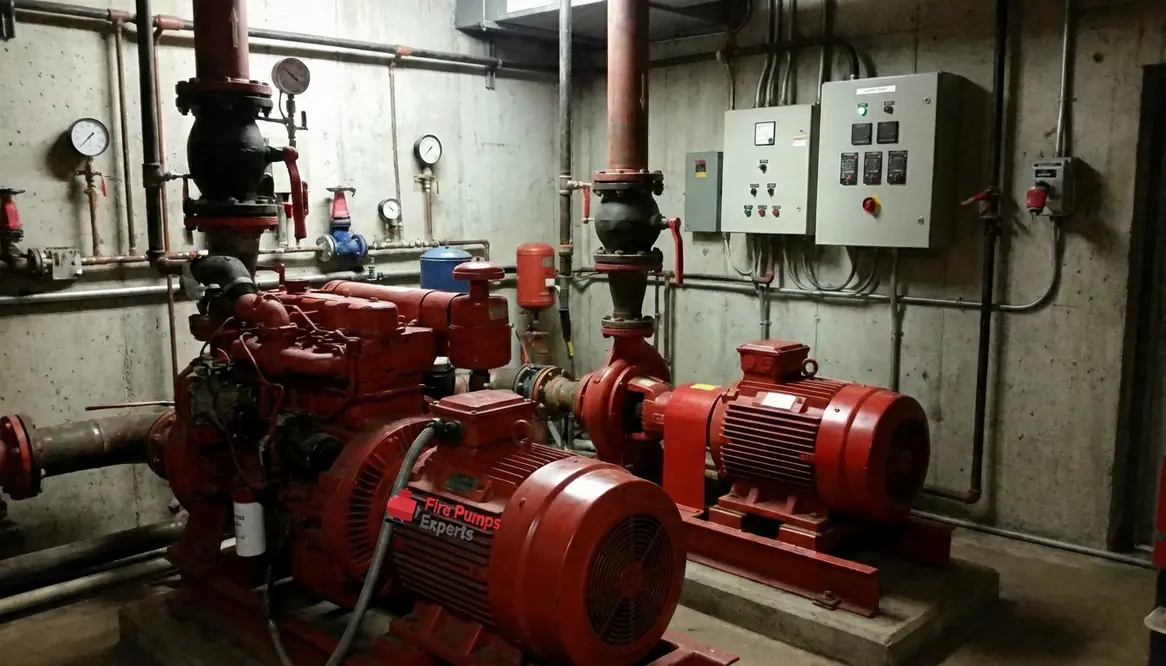
Prevent Fire Pump Inspection Issues in Kern County
I have walked through enough pump rooms in Kern County to know one thing for certain: fire pump inspection issues rarely announce themselves politely. They show up quietly, like a bad sequel no one asked for, and if ignored, they can turn a minor oversight into a major failure. So when I talk about choosing the right fire pump for a facility, I am not just talking about specs and charts. I am talking about preventing those hidden inspection problems before they ever have a chance to exist. Because in this business, the best fix is the one you never need.
Understanding Kern County Demands for Fire Pump Systems
Kern County is not a one size fits all environment. Between industrial plants, large commercial buildings, and sprawling facilities, the fire protection demands can vary widely. However, I always start with the same mindset. I look at water supply reliability, local code requirements, and the size of the structure.
Additionally, local regulations often require systems that can handle high demand scenarios. This means your fire pump must deliver consistent pressure even when everything else is working against it. Think of it like lifting weights at the gym. Anyone can lift light on a good day. The real test comes under pressure. Literally.
Why Kern County context matters
Therefore, choosing a pump without considering Kern County specific risks is like bringing a garden hose to a wildfire. It might look right, but it will not perform when it matters most. Getting this wrong is one of the quiet ways fire pump inspection issues start to build long before the inspector walks through the door.
If you want a deeper look at how standards shape these systems, resources like NFPA 20 fire pump system requirements show just how technical the design and installation side can get.
How do I match fire pump capacity to my facility needs?
I always begin with flow and pressure requirements. These two factors drive every decision that follows. First, I calculate the total demand based on sprinkler systems, standpipes, and any additional suppression systems in place.
Next, I evaluate peak usage scenarios. Because let us be honest, fires do not schedule appointments. They show up uninvited, like that one relative during the holidays.
Key capacity considerations
- Required gallons per minute for full system operation
- Minimum pressure needed at the highest point of the building
- Backup power availability for electric pumps
- Fuel storage and reliability for diesel systems
As a result, selecting the correct capacity ensures that your system performs without strain. More importantly, it reduces the likelihood of performance related fire pump inspection issues later on. It is one of the simplest ways to keep inspection write ups from becoming your regular reading material.
Choosing Between Electric and Diesel Fire Pumps
This is where things get interesting. And yes, I have seen this debate play out like a Marvel versus DC argument. Both sides have their loyal fans.
Electric fire pumps
These are efficient and require less maintenance. However, they depend entirely on a stable power source. In facilities with reliable infrastructure, they perform beautifully.
Diesel fire pumps
These operate independently of the electrical grid. Therefore, they shine in areas where outages are a concern. However, they require more maintenance and fuel management.
In Kern County, I often lean toward diesel for critical industrial sites. Still, the final decision depends on risk tolerance and operational priorities. Either way, making the wrong choice can quietly lead to ongoing fire pump inspection issues that no one wants to explain during an audit.
If you want fewer surprises during testing, think less about brand loyalty and more about how your facility behaves on its worst day, not its best.
Avoiding Fire Pump Inspection Issues Through Smart Design
I always say this with a straight face. Most inspection problems are designed into the system long before they are discovered. Poor layout, inaccessible components, and improper sizing can all create headaches down the line.
For instance, if your pump room is difficult to access, inspections become inconsistent. And when inspections slip, so does system reliability. Therefore, I prioritize accessibility, clear labeling, and proper installation from day one.
Additionally, I make sure that all components meet NFPA standards. Not because it looks good on paper, but because it works in real life. And in this field, real life is the only test that counts.
Design decisions that keep inspectors calm
- Clear, safe pathways to and around the pump
- Logical, readable labeling of valves, controllers, and gauges
- Space for technicians to work without contortions or ladders
- Room for future upgrades without rebuilding the entire room
When design is treated as an afterthought, you are quietly scheduling future fire pump inspection issues and hoping they pick a convenient day to show up.
Planning for Long Term Reliability and Maintenance
Choosing the right fire pump is not a one time decision. It is a long term commitment. I always look beyond installation and think about how the system will perform five, ten, even twenty years down the line.
Because here is the truth. Even the best equipment will fail if it is not maintained properly. That is where routine testing and servicing come into play.
What I focus on for long term reliability
- Ease of routine inspection and testing
- Availability of replacement parts
- Service access for technicians
- Monitoring systems for performance tracking
Moreover, consistent upkeep helps catch small issues before they evolve into major fire pump inspection issues. It is the difference between a quick tune up and a full system shutdown.
If you think maintenance is expensive, try pricing out downtime, emergency repairs, and the joy of explaining to leadership why the inspection report reads like a novel.
Common Mistakes I See in Large Facility Installations
I have seen some things over the years. Some of them would make a seasoned engineer shake their head slowly, like a scene out of a courtroom drama.
Sizing mistakes
One common mistake is oversizing the pump. While it may sound safer, it can actually lead to inefficiency and system wear. On the other hand, undersizing creates obvious performance risks.
Ignoring expansion
Another issue is ignoring future expansion. Facilities grow. Systems should be ready for that growth. Otherwise, you end up retrofitting under pressure, and that is never fun.
Shortcuts that invite inspection problems
Finally, skipping professional consultation is a gamble. And in fire protection, gambling is not a strategy I recommend. Most chronic fire pump inspection issues in larger facilities can be traced back to early shortcuts that saved a little money up front and cost a lot more later.
If the plan sounds like, "We will make it work somehow," you can safely assume the inspector will have a very different opinion when the time comes.
FAQ: Quick Answers for Facility Decision Makers
These are the questions I hear most often when teams are trying to keep their systems reliable and keep fire pump inspection issues from becoming a yearly tradition.
Conclusion: Make the Right Choice Before It Matters Most
Choosing the right fire pump is not just a technical decision. It is a commitment to safety, reliability, and long term performance. I encourage you to evaluate your facility carefully, plan for future demands, and address risks before they surface.
If you want to avoid costly fire pump inspection issues and ensure your system performs when it counts, now is the time to act. Connect with experienced professionals and make a decision you will not second guess later. Treat every design meeting, maintenance visit, and test as an investment in never having to explain why the pump did not do its job on the one day you needed it most.
In Kern County, where facilities are complex and expectations are high, the quiet goal is simple: no surprises during an emergency, and no surprises during inspection.