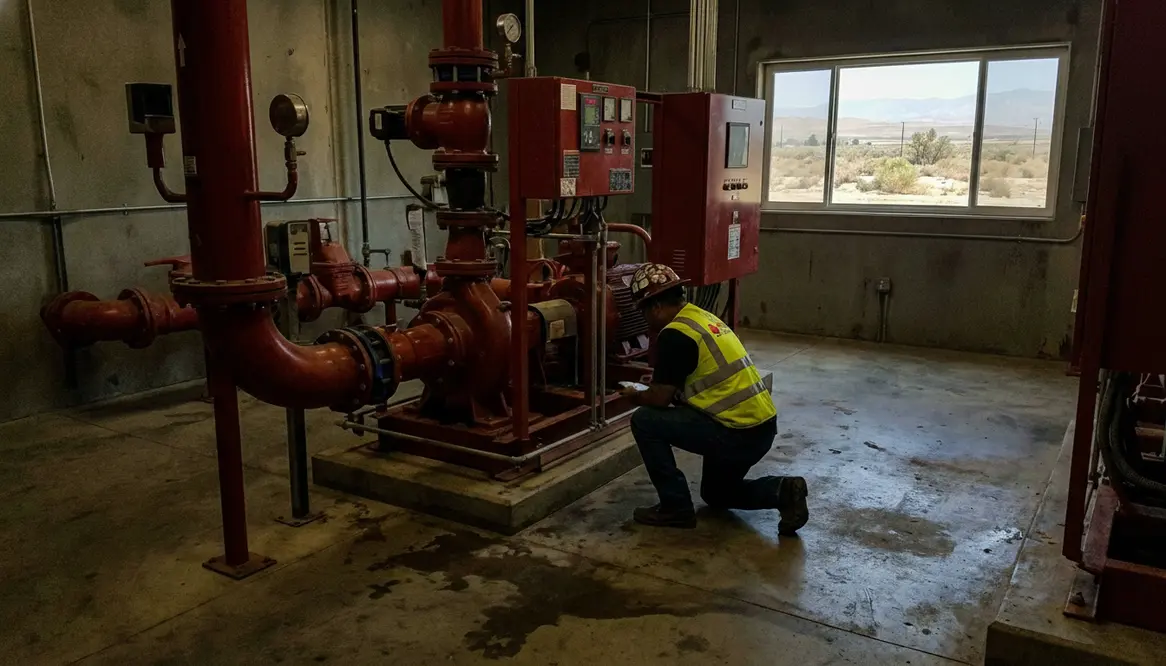
Choosing Fire Pumps In Kern County To Avoid Inspection Issues
I have walked through enough Kern County facilities to know this truth: fire pump inspection issues rarely announce themselves with a drumroll. They whisper. A slight pressure drop here, a delayed start there. And before you know it, you are staring at a system that looks fine on paper but hesitates when it matters most. So, choosing the right fire pump is not just about specs. It is about understanding how these systems behave over time, especially in large commercial and industrial buildings where risk carries a bigger price tag.
Understanding Kern County Demands Starts with the Right Questions
Kern County is not shy about its extremes. Heat waves roll in like they own the place, and industrial operations run hard and long. Because of this, I always begin with a simple mindset: what will this pump face on its worst day?
First, I look at water supply. Some facilities rely on municipal sources, while others depend on tanks or reservoirs. Then, I consider pressure requirements. High rise buildings and sprawling industrial plants do not play by the same rules. As a result, the pump you choose must meet both flow and pressure demands without hesitation.
And yes, I keep fire pump inspection issues in the back of my mind. Because the easier a system is to maintain, the less likely it will betray you later. Think of it like choosing a car. A sports car looks great, but if it needs constant repair, you will regret it during rush hour.
Matching Pump Types to Real World Facility Needs
Not all fire pumps are created equal. In fact, choosing the wrong type is like casting the wrong actor in a blockbuster role. It might work, but it will not shine.
I usually break it down this way:
Electric Fire Pumps
These are reliable and clean. If your facility has a stable power supply, this is often the go to option. However, power outages can turn them into expensive decorations.
Diesel Fire Pumps
These bring independence. No power? No problem. They start strong and keep running, although they demand more maintenance and space.
Vertical Turbine Pumps
Perfect when your water source sits below ground. These are common in areas where water access requires a bit more engineering creativity.
Split Case Pumps
Built for high flow needs. Large facilities often rely on these for consistent performance and easier servicing.
Each option carries trade offs. Therefore, I never chase trends. I match the pump to the building, not the other way around.
How Do I Size a Fire Pump Without Guesswork?
I get this question a lot, and honestly, guessing is not part of the process. Instead, I rely on data. Flow rate, measured in gallons per minute, and pressure requirements form the backbone of sizing.
However, I also consider future expansion. A facility that plans to grow should not install a pump that barely meets today’s needs. That is like buying shoes for a kid and hoping their feet stop growing. Spoiler alert, they will not.
Additionally, I factor in friction loss, elevation changes, and system demand. These elements quietly shape performance. Overlooking them often leads to performance gaps and, eventually, those familiar fire pump inspection issues that creep up during routine checks.
Designing for Longevity and Fewer Fire Pump Inspection Issues
Here is where experience earns its keep. A well chosen pump is only half the story. Installation, layout, and component quality complete the picture.
I always prioritize accessibility. If technicians cannot easily reach valves, controllers, and gauges, maintenance becomes a chore. And when maintenance becomes a chore, it gets delayed. That is when problems start stacking up.
Moreover, I recommend systems with clear monitoring capabilities. Modern controllers provide real time data, which helps catch irregularities early. It is like having a smoke detector for your fire pump system. Not dramatic, but incredibly useful.
And let us be honest, no one wants surprises during an inspection. Especially the kind that come with repair invoices attached.
Compliance Is Not Optional, It Is the Baseline
Kern County facilities must meet strict fire protection standards, including NFPA requirements. I treat compliance as the starting point, not the finish line.
Codes ensure safety, but they do not guarantee efficiency or durability. Therefore, I go beyond minimum requirements. I look at how systems perform under stress, how quickly they respond, and how easily they recover.
Because at the end of the day, passing an inspection is great. Passing it without scrambling at the last minute is even better.
Common Pitfalls I See Too Often
Over the years, patterns emerge. Some mistakes show up more often than reruns of classic sitcoms.
I see undersized pumps struggling to meet demand. I see overcomplicated systems that confuse operators. And occasionally, I see installations that ignore environmental factors entirely.
However, the most common issue is neglecting long term maintenance planning. A pump might perform beautifully on day one, yet slowly decline without proper care. Consequently, minor inefficiencies grow into larger system failures.
And yes, this is where fire pump inspection issues tend to make their grand entrance, uninvited and inconvenient.
FAQ: Quick Answers for Busy Facility Managers
Facility managers in Kern County juggle high heat, expanding facilities, and tight inspection calendars. These quick answers aim to keep fire pump inspection issues from appearing on your to do list at the worst possible time.
Final Thoughts That Actually Matter
Choosing the right fire pump for a Kern County facility is not about checking boxes. It is about building confidence into your system from day one. I approach every project with that mindset, balancing performance, reliability, and long term serviceability. If you want fewer surprises and stronger protection, now is the time to act. Connect with a team that understands commercial and industrial demands and get your system dialed in before it has a chance to fail.
If your facility is in Kern County and you are ready to get ahead of potential fire pump inspection issues, consider partnering with a specialist that already knows the local landscape. A good starting point is reviewing dedicated fire pump services like those offered at Kord Fire’s fire pump systems page, then aligning that expertise with the specific risks in your building.